
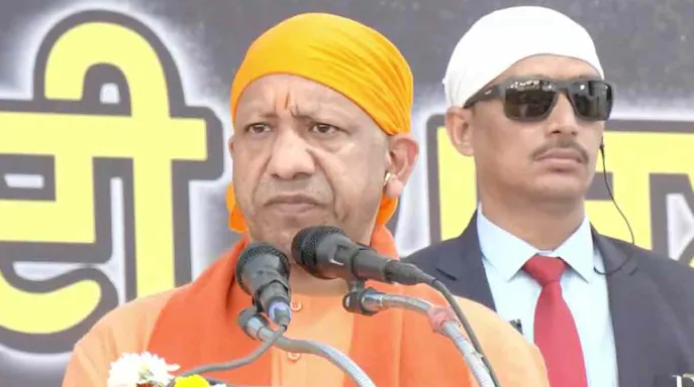
Chief Minister Yogi Adityanath has once again raised the flag of religious identity, asserting that Mughal rulers launched a campaign to “Islamise India” and that Sikh Gurus played a decisive role in resisting this forceful conversion push. In a series of recent speeches across Uttar Pradesh, he cited history as a vital lesson for the present, urging vigilance against what he calls modern-day threats to India’s spiritual and cultural fabric.
Revisiting Mughal History Through a Political Lens
Adityanath has frequently evoked the figure of Mughal Emperor Aurangzeb, denouncing him as a “cruel and brutal” ruler who zealously enforced Islamic orthodoxy. According to the CM, Aurangzeb’s rule was marked by a systematic campaign of religious conversions, tax impositions like the jizya, and persecution of non-Muslims points that Adityanath argues are often downplayed in mainstream historical narratives.
He frames his warning in very contemporary terms, suggesting that just as the Mughals once threatened India’s pluralism, so too do some modern-day actors seek to “divide Hindus and Sikhs.” By drawing parallels between historical Islamisation and what he perceives as current conversion conspiracies, Adityanath warns his supporters to stay cautious of ideological movements that could erode India’s cultural identity.
Celebrating Sikh Resistance: The Role of the Gurus
In his remarks, Yogi Adityanath praises the Sikh Gurus — particularly Guru Tegh Bahadur and Guru Gobind Singh for standing up to Mughal tyranny. He argues that their spiritual authority and commitment to faith transcended mere religion: they defended both spiritual values and national identity.
According to Adityanath, the formation of the Khalsa Panth under Guru Gobind Singh marked a turning point. He claims that this move “played a pivotal role in the downfall of the Mughal Sultanate” by mobilizing resistance based on both religious conviction and martial strength. He also highlights the sacrifices of the Sahibzadas Guru Gobind Singh’s sons and other Sikh martyrs as noble standpoints in Indian history.


