

President Donald Trump, Chinese President Xi Jinping made pointed remarks on Taiwan, describing its “return to China” as a foundational element of the post-World War II international order. According to Beijing, Xi emphasized that the island’s reunification is not just a territorial issue but deeply tied to China’s historic sovereignty narrative.
A Strategic Message During Rising Sino-Japanese Tensions
Xi’s comments came amid a diplomatic standoff with Tokyo. Xi’s phone call serves not only as a reaffirmation of China’s core claims over Taiwan, but also as a message to both Washington and Tokyo about Beijing’s red lines.

During the call, Xi invoked historic ties between the U.S. and China, reminding Trump that their nations once “fought side by side against fascism and militarism” during World War II. He argued that both powers should now work together to “safeguard the outcomes of WWII,” implicitly linking Taiwan’s status to a shared postwar order.
Reactions from Taiwan and the Region
Taipei reacted swiftly. Taiwan’s Premier, Cho Jung-tai, flatly rejected Xi’s framing, stating that for the island’s 23 million people, a “return” to China “is not an option.” His comments reflect widespread sentiment in Taiwan that its future should be determined by its own democratic institutions — not historical narratives from Beijing.
By tying Taiwan to the legacy of World War II, Beijing is signaling that its interpretation of history underpins its modern territorial claims. Some Chinese commentators interpret the call as a diplomatic win for Beijing, suggesting that Xi may be seeking to realign U.S. support or acquiescence following Tokyo’s provocative rhetoric.
Broader Implications for U.S.-China Relations
Beyond Taiwan, Xi emphasized to Trump that bilateral relations had “generally maintained a steady and positive trajectory” since their October summit in South Korea. He urged continued cooperation, calling for both sides to “keep up the momentum” and deepen collaboration in areas of mutual benefit.
This conversation comes at a complex moment: Washington must balance its support for Taiwan with its broader relationship with Beijing, while Beijing seeks to assert its core interests without triggering direct conflict. Xi’s message to Trump underscores that, for Beijing, Taiwan remains non-negotiable and that any future peace depends on acknowledging China’s historical narrative and sovereignty claims.


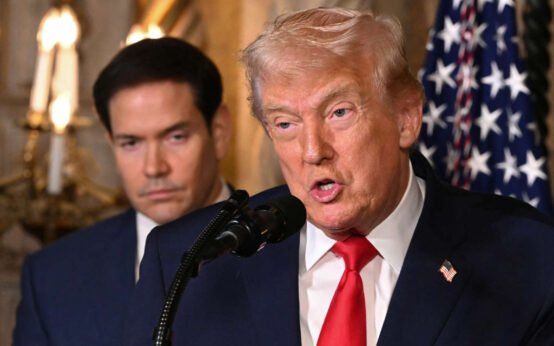 Trump administration signs trade deal to lower Taiwan’s tariff barriers
 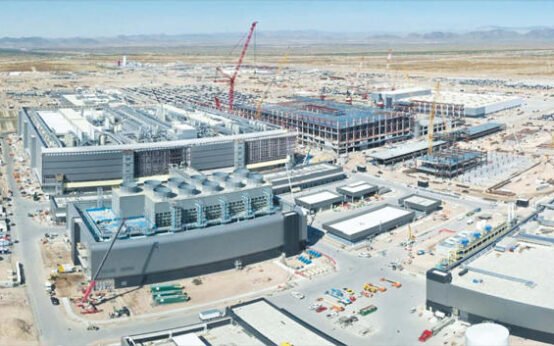 TSMC invests $250 billion, Taiwan tariffs drop to 15%
 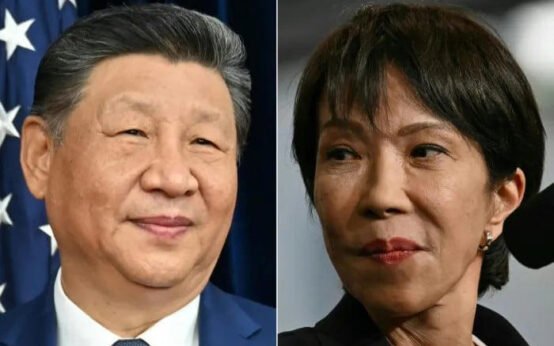 China Bans Dual-Use Exports Including Rare Earths to Japan Over Taiwan Remarks
 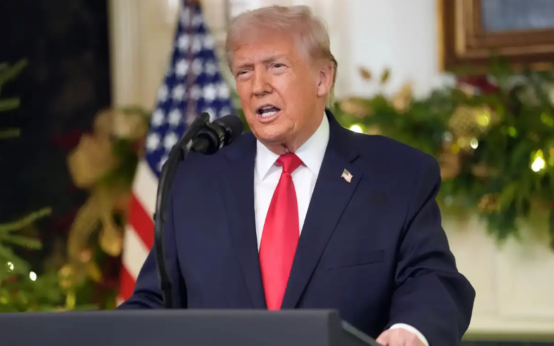 Trump Administration Approves Largest-Ever Arms Sale to Taiwan
  Trump signs Taiwan Assurance Implementation Act deepening US-Taiwan ties and rattling Beijing
  Chinese Vessel Cuts Taiwan Internet Cable