
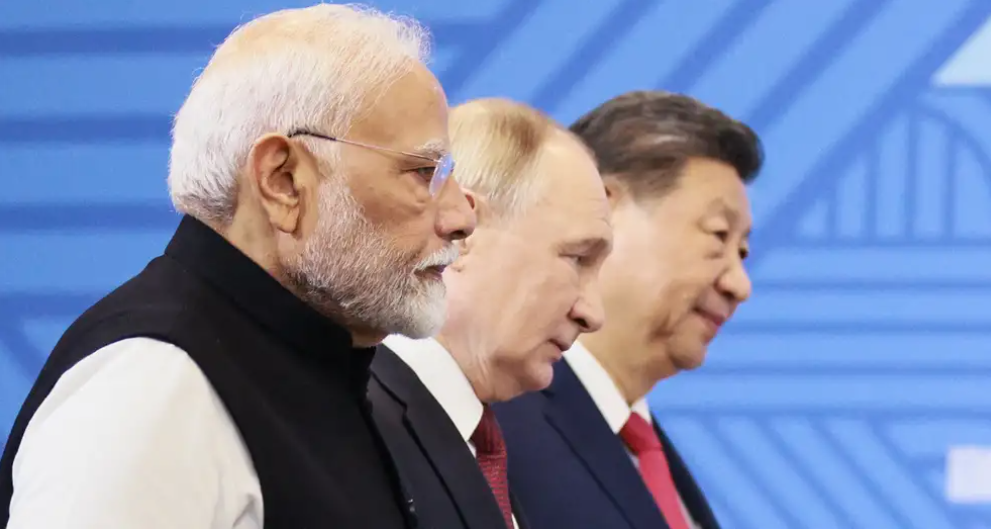
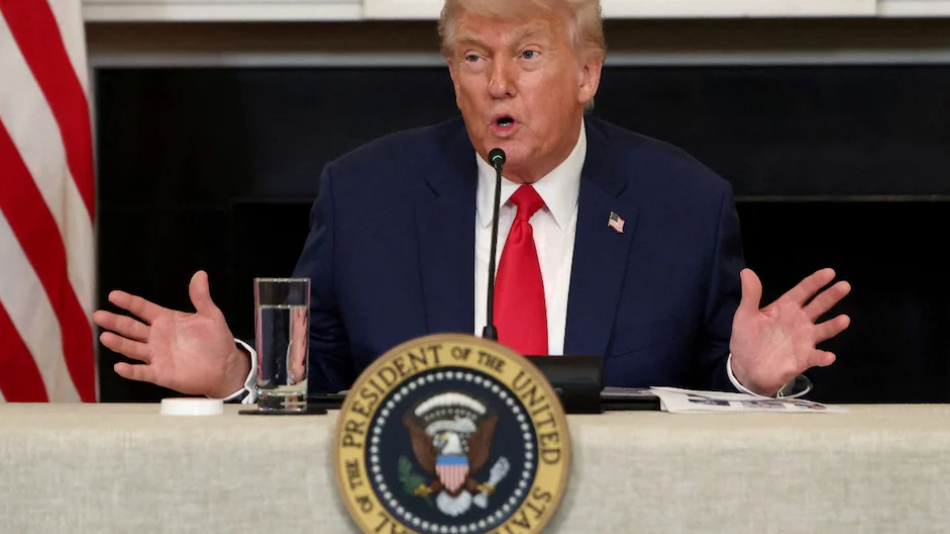
President Trump’s aggressive tariff policies are reshaping global trade and unexpectedly strengthening BRICS. Rather than weakening the bloc, his threats of 100% tariffs against any BRICS member that challenges U.S. dollar supremacy are pushing these nations closer together. Countries like India, Brazil, and Russia now see more reason to align economically and politically through BRICS cooperation.
BRICS Strives for De-Dollarization and Financial Independence
BRICS continues to push for financial strategies that reduce reliance on the U.S. dollar. Through initiatives like local currency settlements, the BRICS Pay payment system, and the New Development Bank offering loans in member currencies, the bloc reinforces its financial resilience. These moves not only support economic autonomy but also signal BRICS’ long-term vision of establishing a more multipolar global financial system.
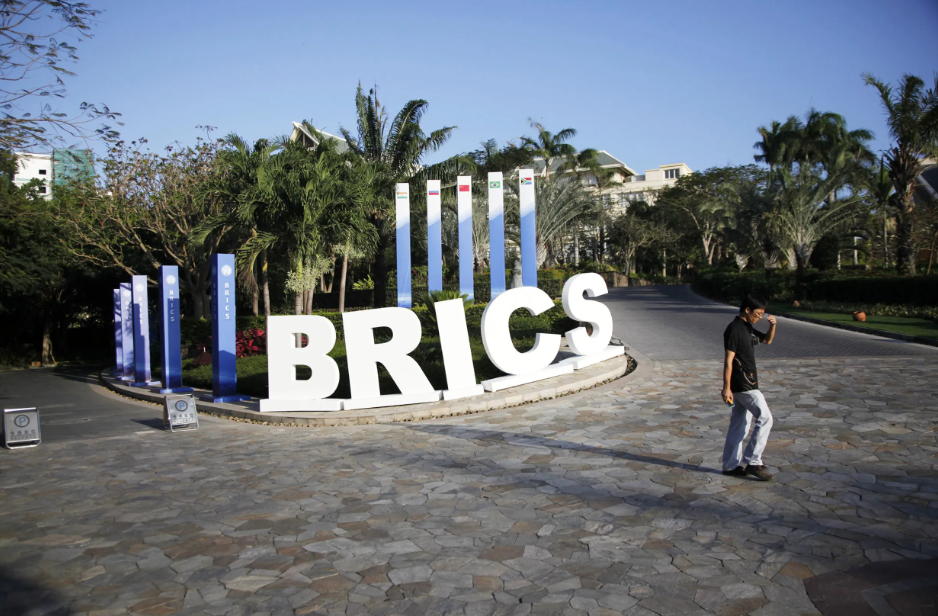
The expansion of BRICS with newer members like Saudi Arabia, UAE, Indonesia, Iran, Egypt, and Ethiopia has increased the bloc’s global footprint. Now commanding 45% of global GDP and nearly half of the world’s population, BRICS is emerging as a legitimate alternative to Western-led economic coalitions.
Trump’s Tariff Approach May Drive India Closer to BRICS Partners
Trump’s steep tariffs on India up to 50% and pressure over geopolitical issues like Russian oil have strained U.S.-India ties. Many analysts say these moves are pushing India to strengthen its ties with BRICS members, particularly China and Russia. Trump’s protectionism has made the bloc more attractive as a stable and cooperative economic and strategic partner.
Countries in Southeast Asia are increasingly seeing BRICS as a viable alternative to reliance on U.S. trade frameworks. In particular, Trump’s tariff shock has accelerated talks across the Global South about diversifying economic partnerships. As a result, many emerging economies are now exploring new avenues for collaboration. Against this backdrop, BRICS offers a path to economic resilience and strategic autonomy, especially amid shifting global dynamics.
Challenges Remain for BRICS’ Long-Term Effectiveness
Despite the growing influence of BRICS, the bloc faces internal challenges: it lacks a clear institutional structure, often struggles with consensus-based decision-making, and must manage diverse national interests. While BRICS holds real potential, its ability to deliver cohesive, multilateral leadership still depends on how well it addresses these internal limitations.
While Trump’s protectionist policies aim to reassert U.S. economic dominance, they may instead galvanize BRICS nations to coordinate more closely. From expanding membership and launching new financial tools to driving India and Southeast Asian countries toward the bloc, Trump’s strategy might unintentionally fuel BRICS’ rise as a multipolar force


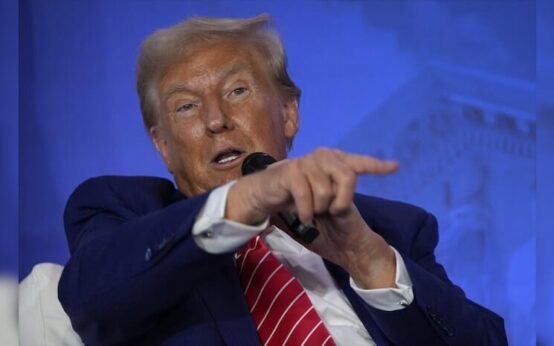 Trump Threatens 100% Tariffs Over De-Dollarization