
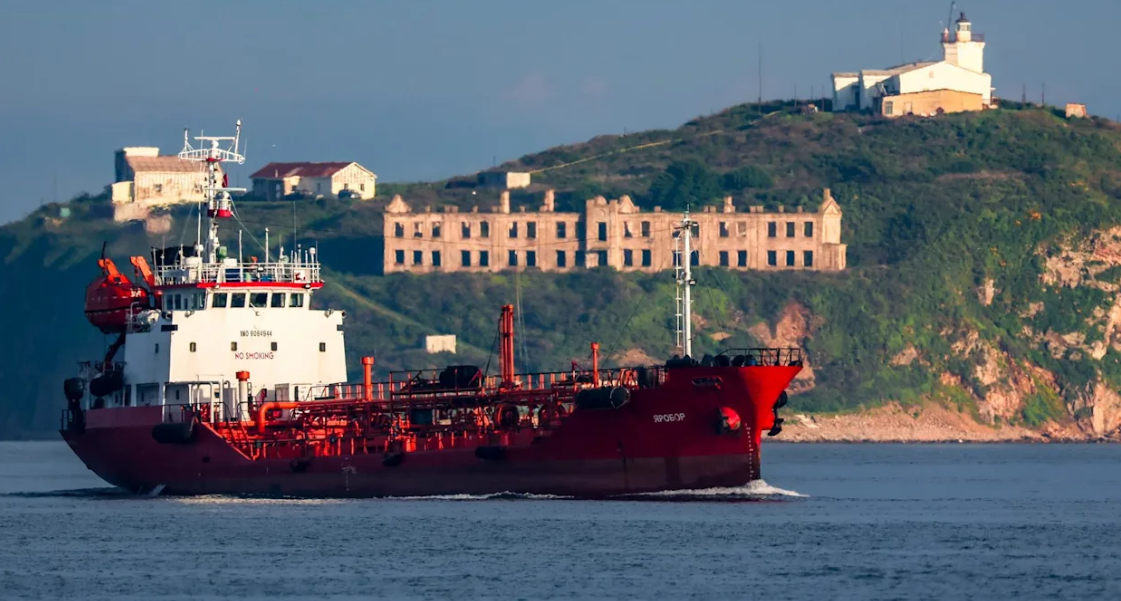
When people think of sanctions, they usually picture a country directly cutting trade or financial ties with another. Secondary sanctions are different they go after third parties who continue doing business with a sanctioned target. These could be foreign banks, shipping companies, energy traders, or even governments.
Dollar Advantage: Why the U.S. Can Enforce Rules Far Beyond Its Borders
The U.S. has a unique advantage control over the most widely used currency in the world. The U.S. dollar isn’t just America’s currency; it’s the main currency for global trade, international loans, and energy transactions. Almost every major bank, even those outside the U.S., needs access to the dollar-based payment system to operate internationally.
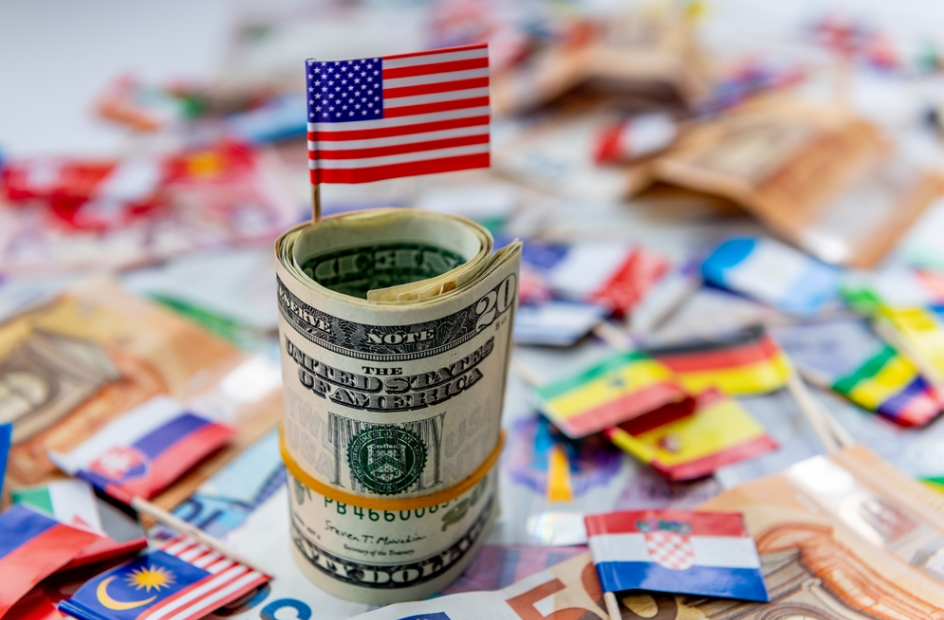
This gives the U.S. the ability to issue a clear threat: do business with our target, and you may lose access to the U.S. market and dollar system entirely. For most companies and banks, that’s an economic death sentence.
Even if two countries trade in euros, yuan, or rupees, if the transaction touches any U.S. bank or passes through the SWIFT network in a way that involves the dollar, Washington has the legal and financial tools to intervene.
Historical Examples of Secondary Sanctions in Action
Over the years, the United States has used secondary sanctions in several high-profile situations, showing how powerful these measures can be in shaping global trade and diplomacy. In the 2010s, Washington cracked down on foreign banks that processed payments for Iranian oil.
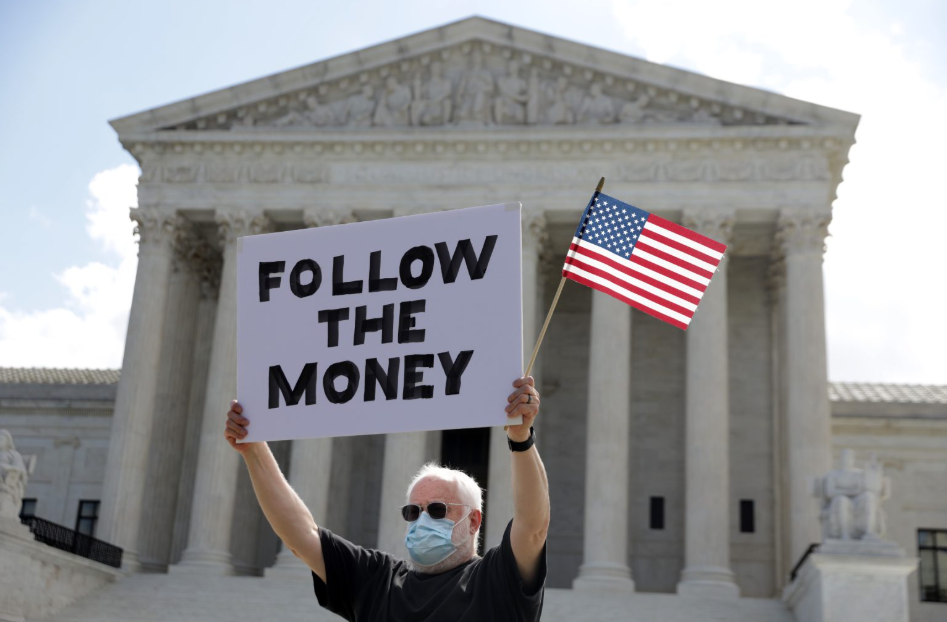
Many international banks that ignored these restrictions consequently faced heavy penalties, with some even paying billions of dollars in fines. Furthermore, in 2017, the U.S. turned its attention to North Korea by sanctioning China’s Bank of Dandong for allegedly laundering money for Pyongyang. As a result, this move effectively cut the bank off from the global financial system and, at the same time, served as a strong warning to other institutions worldwide.
After Russia invaded Ukraine in 2022, the U.S. broadened its secondary sanctions to put pressure on nations and businesses still trading with Russia’s energy and defense industries, aiming to weaken Moscow’s war funding.
Are the Secondary Sanctions Effective?
The debate over whether secondary sanctions are truly effective continues to divide experts and policymakers. Supporters believe these measures are among the most powerful tools in America’s foreign policy strategy. They point out that sanctions can inflict significant economic pain on targeted nations without putting U.S. soldiers in harm’s way or engaging in costly military conflicts.
By cutting off access to the U.S. financial system and global markets, they can quickly pressure governments to change their behavior. Critics, however, caution that relying too heavily on secondary sanctions carries serious risks.
This could encourage nations to create or join alternative payment systems that bypass U.S. control, reducing Washington’s influence. In the long run, some warn, the constant threat of sanctions could fuel efforts to move away from the U.S. dollar altogether a shift that would have far-reaching consequences for America’s economic power.


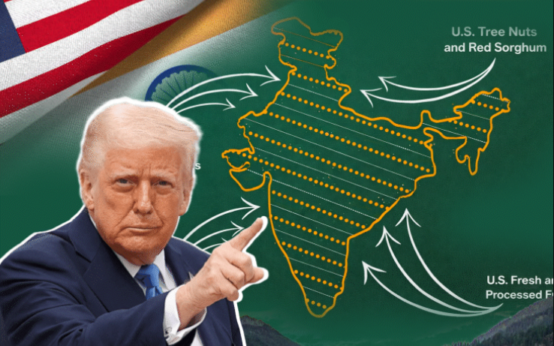 US Removes India Map from Trade Release After Pakistan Protest
  US Ambassador Nominee’s Iceland State Joke Sparks Backlash
  Korea’s M2-to-GDP ratio twice US., controversy renewed
  Iran Warns “We Are Ready for War” as Crackdown on Protests Intensifies
  US Energy Secretary Chris Wright Warns North Korea and Iran After Tanker Seizure
  US Slams China’s Taiwan Drills While Launching Military Operation in Venezuela