
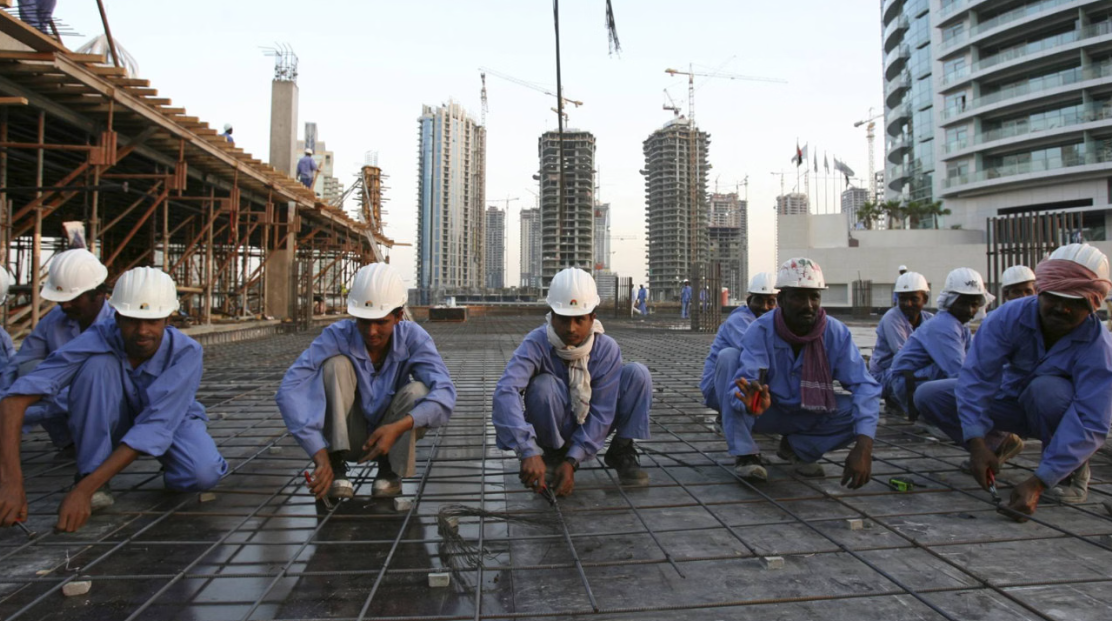
Nations are tightening labour migration policies despite growing demand for foreign workers, creating fresh strains on global labour markets.
Ageing populations, low birth rates and labour shortages have pushed demand for migrant workers across sectors such as healthcare, construction and agriculture. Yet many high-income nations are rolling back visa programmes and raising entry barriers.
Governments cite domestic political pressure, housing shortages and concerns over social integration as reasons for stricter controls.
Nations Economic Contradictions
Economists warn that limiting labour migration could slow growth and worsen workforce gaps. Industries dependent on migrant labour are already reporting higher costs and delayed projects.
Employers argue that domestic workers alone cannot meet current demand, particularly for low- and mid-skilled roles.
Tighter migration rules also affect remittance-dependent economies. Fewer overseas jobs mean reduced income flows to families in developing nations, potentially increasing economic stress at home.
Policy Debate Intensifies Migration
While some governments promise selective or skills-based migration, critics say policy shifts are often driven more by politics than economic realities.
Analysts predict labour shortages will intensify unless migration frameworks are realigned with demographic trends.


