
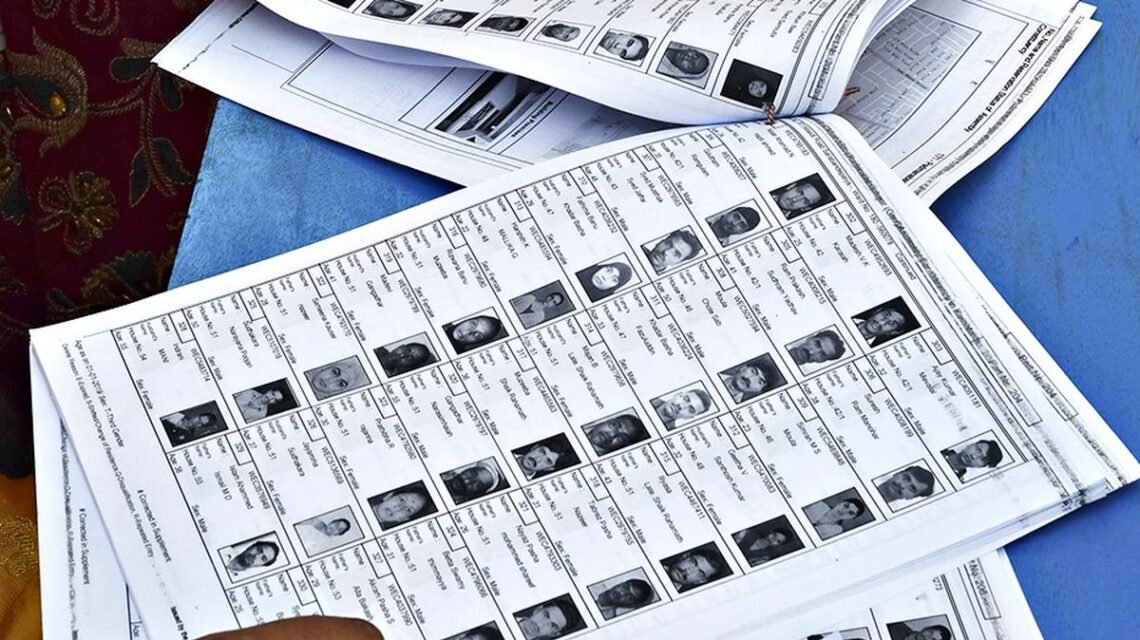
West Bengal has become the battleground for a heated political showdown as the ongoing voter-list cleanup under the Election Commission of India’s Special Intensive Revision (SIR) exercise meets fierce resistance from the ruling Trinamool Congress (TMC). The state’s opposition, led by the Bharatiya Janata Party (BJP), supports the effort, which it calls necessary to purge illegal or duplicate names ahead of the 2026 Assembly elections.
Why the Election Commission Stepped In
Faced with growing allegations of bias and mass protests, the Election Commission has dispatched a high-level team to oversee the SIR process in Bengal. Officials say they may also incorporate an AI-based system to flag duplicate voter entries — particularly cases where the same photograph appears multiple times.
The Commission emphasizes that the purpose of this cleanup isn’t political: it aims to remove ineligible names such as those of deceased individuals or people who have permanently relocated while ensuring genuine voters remain on the rolls.
Fallout Protests, Legal Threats, and Social Anxiety
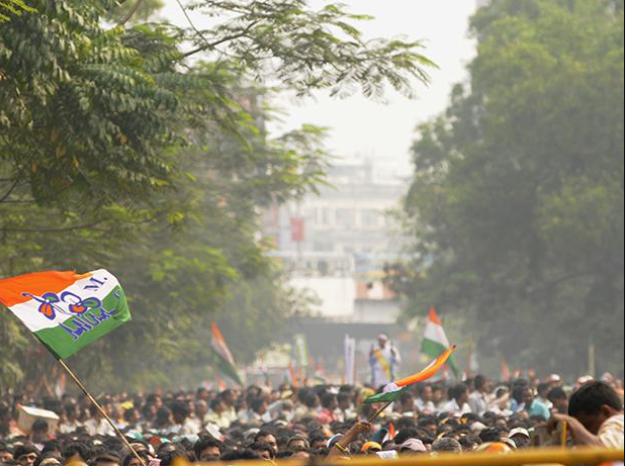
TMC has mobilized its base to resist the cleanup. Party leaders have threatened mass protests if even a single legitimate voter’s name is removed .According to the party, the drive has already sparked fear and confusion, especially among marginalized communities who worry about losing their right to vote.
Simultaneously, reports suggest some voters feel intimidated. Booth-level officers (BLOs) have faced criticism for door-to-door verification practices, with many households feeling forced or pressured to cooperate.
Stakes High Ahead of 2026 Polls
With the draft electoral rolls due soon and the final voter list scheduled months before the 2026 Assembly polls, the stakes are high. If the SIR proceeds without addressing the TMC’s concerns, it could sharply polarize voters and further shake trust in the electoral process.
On the other hand, a flawed cleanup could leave the voter list vulnerable to manipulation, undermining not only voter confidence but also the legitimacy of future election results.


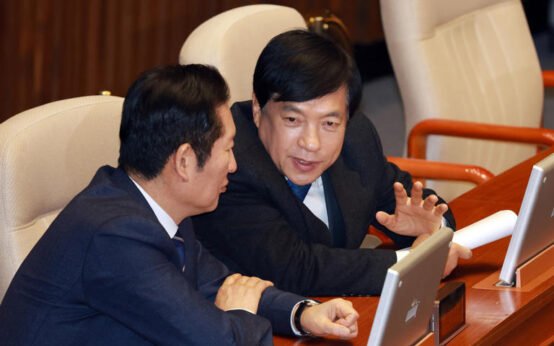 Democratic Party appoints Lee to prosecution response committee
 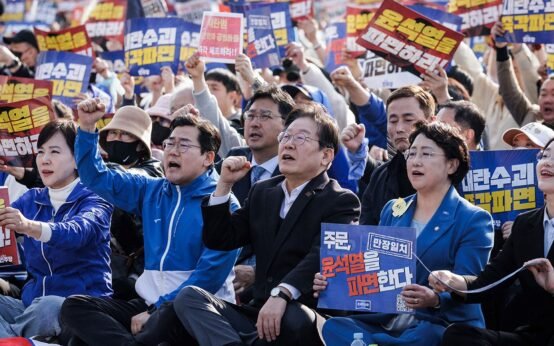 Prosecution’s Partial Appeal Sparks Political Divide in South Korea
 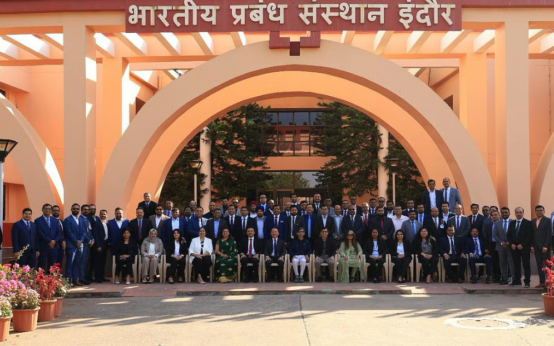 IIM Indore’s 2019 Proposal: Training Program for Politicians, Bureaucrats, and Businessmen
 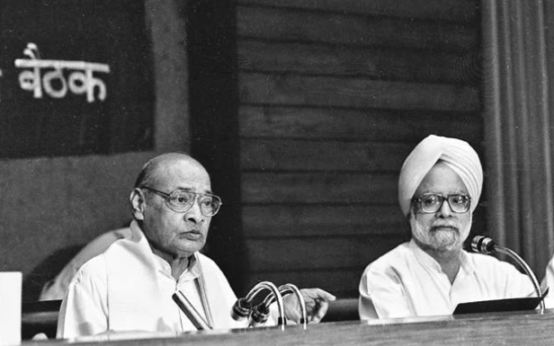 India Today@50 Episode 3: Pokhran Nuclear Tests, Globalization, Coalition Politics, and Kargil War
 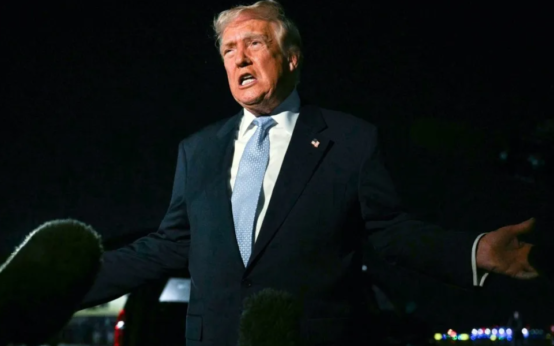 Trump Travelled on at Least 8 Epstein Flights, Over 11,000 New Files Released
 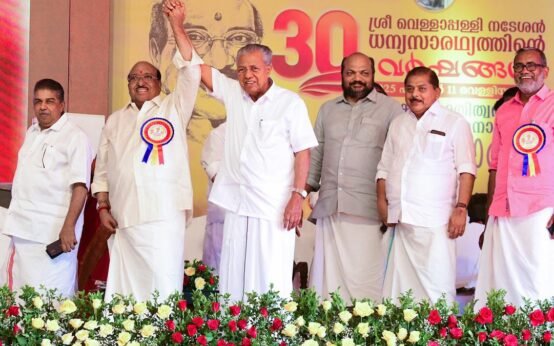 New Tamil Nadu Party Defends Secular Stand, Calls Political Controversy a ‘Staged Drama’