
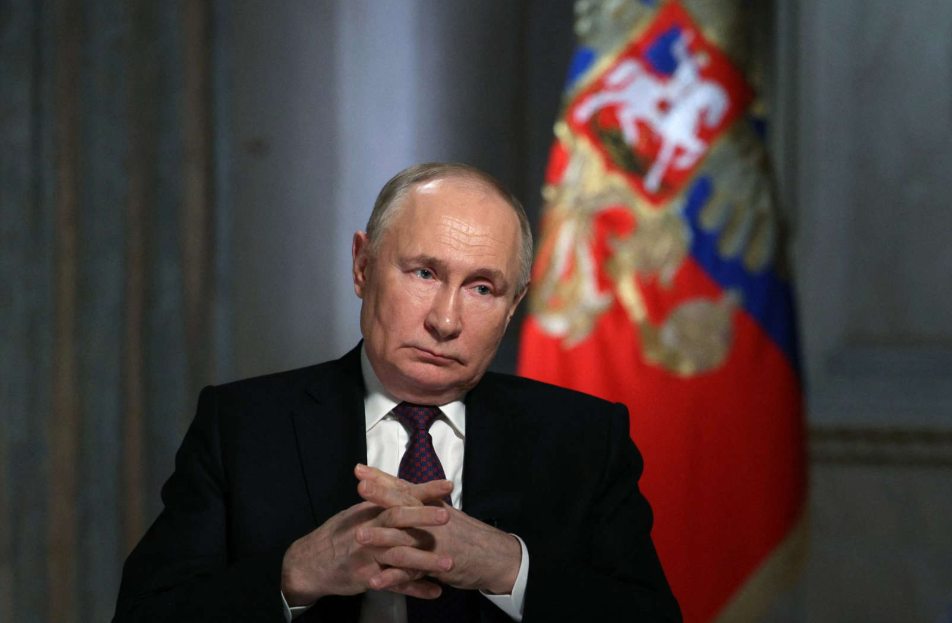
Putin has operated with a clear long-term aim: to redefine Russia’s role and influence in Europe and beyond. What began as a military campaign has evolved into a grander geopolitical gambit one that seeks not only territorial gains in Ukraine but also to shift the very architecture of European security. Analysts warn that whatever deal emerges, Putin will aim to leave with a legacy of strength and relevance.
Territorial control and Ukraine’s future role in the West-Russia balance
One of the clearest elements of Putin’s agenda is securing control formal or informal over parts of Ukraine he occupies, thereby reducing Kyiv’s capacity to join Western structures such as NATO or the European Union. U.S.-intelligence assessments suggest that Russia views any truce as a tactical pause, not a final settlement.
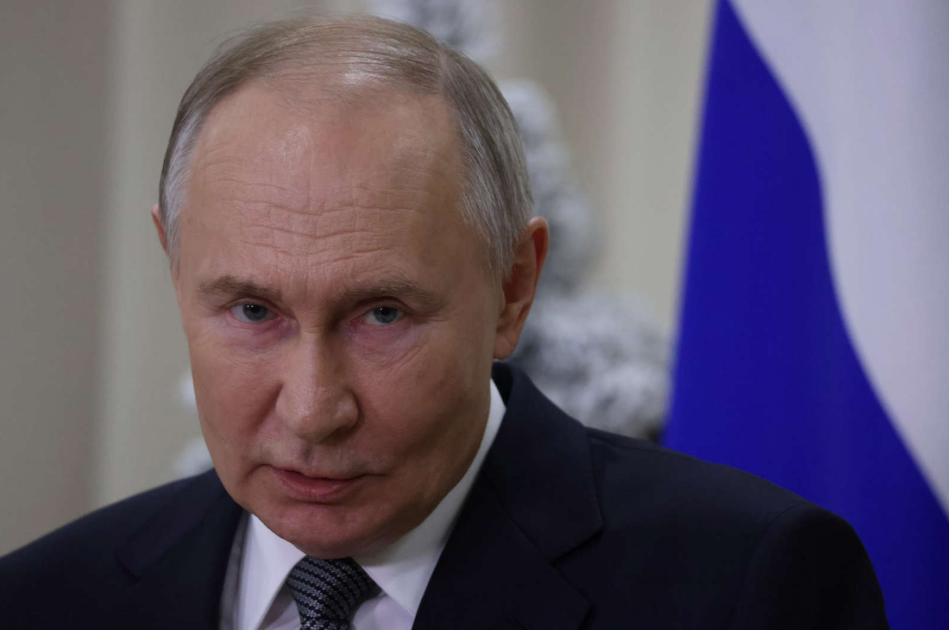
For Putin, a neutral or Moscow-influenced Ukraine is part of his endgame creating a buffer against Western security encroachment and demonstrating that the post-Cold-War order is reversible.
Reassertion of Russian influence and legacy building
Beyond Ukraine, Putin is driven by a desire to position Russia as a global power again one whose voice matters in major geopolitical decisions. He often frames the conflict in historical and cultural terms, asserting that Russians and Ukrainians share a common heritage. Moreover, he contends that Ukraine’s drift toward the West not only undermines this shared identity but also constitutes an existential threat to Russia’s sense of self. His goal is not merely military victory, but strategic reclamation of status and influence.
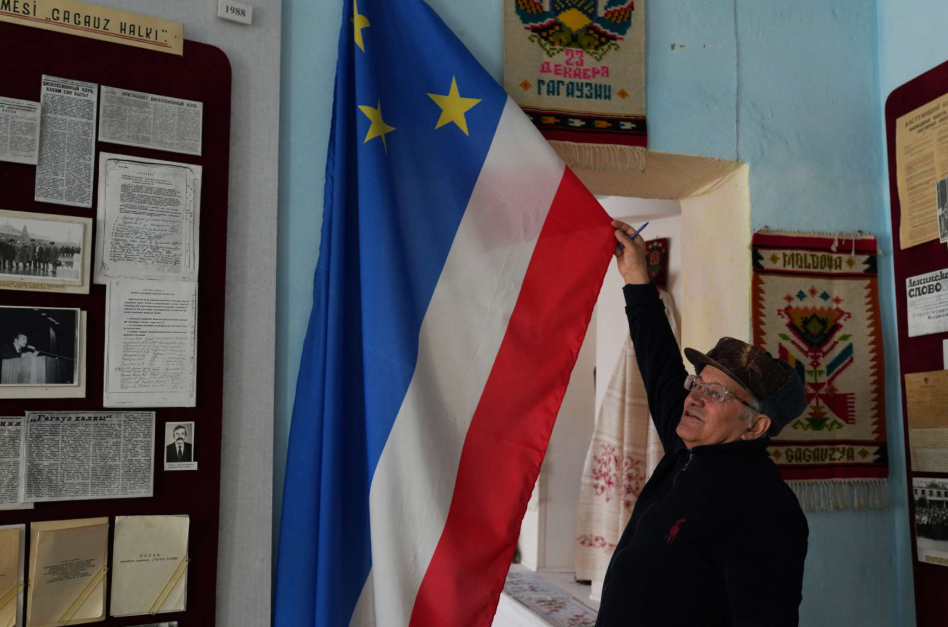
Putin’s approach blends military pressure with diplomacy. Even when he enters negotiations, analysts argue he uses the pause to regroup or reshape his position. . The message: any peace deal must be on Russia’s terms and preserve its core interests.
Risks for Europe and the West on how Putin’s success could reshape alliances
If Putin achieves much of his agenda, the implications extend far beyond Ukraine. A compliant or neutral Ukraine weakens NATO’s eastern flank, signals to other states that the West may not guarantee security, and emboldens Moscow to challenge European nations on other fronts. Analysts warn that victory for Russia could disrupt the post-World-War-II security order and make the continent more vulnerable to Russian coercion.
While Putin portrays strength externally, inside Russia he faces mounting costs. The war has drained manpower and resources, deepened economic sanctions, and strained public tolerance.


 Ukrainian Findings Suggest Cracks in Russian Military Morale
  Ukraine Targets Russian Logistics in New Year’s Eve Strikes on Occupied Territories
 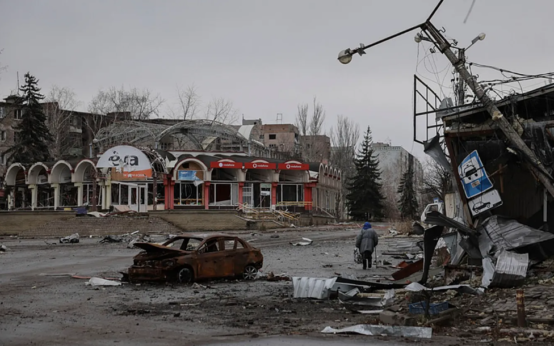 Ukraine Hits Russian Oil Terminal, Jets and Ships in Coordinated Strike Wave
  Ukraine Says Europe Cannot Replace US in Security Guarantees, Zelenskyy Warns
 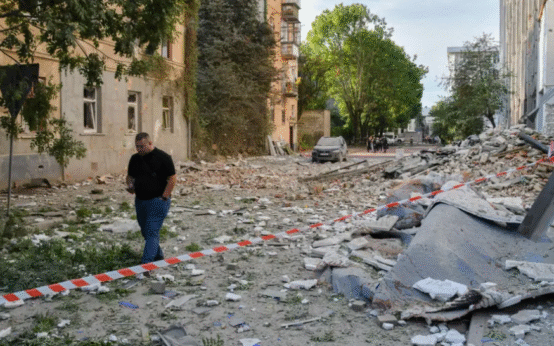 Ukraine endures another wave of Russian strikes as war grinds on
 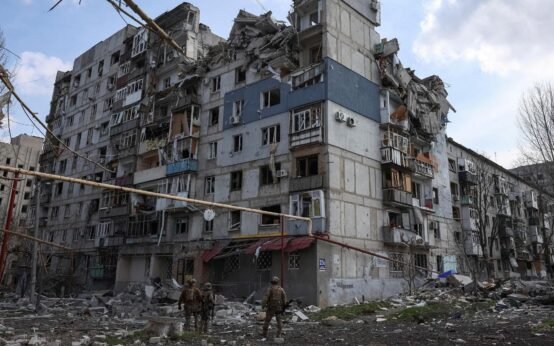 Heavy fighting for Pokrovsk: Is Ukraine losing the city?