

United Nations Security Council has approved a U.S.-drafted resolution that endorses former President Donald Trump’s 20-point peace plan for Gaza. The move establishes a formal, binding international framework for the plan, but reactions remain sharply divided. Hamas, the Islamist militant group that controls Gaza, has forcefully rejected the resolution and cast serious doubts on the plan’s viability on the ground.
What the Resolution Proposes: Stabilization, Governance, and Security
The approved resolution calls for the deployment of an International Stabilization Force in Gaza under a U.N. mandate. According to the proposal, the ISF would help enforce a transition toward a more structured governance model in Gaza, including the establishment of a provisional “Board of Peace” to oversee reconstruction and political reform.

Why Hamas Is Angry Sovereignty, Disarmament, and Neutrality
Hamas immediately denounced the resolution as dangerous, arguing that it undermines Palestinian sovereignty. The group asserted that the ISF’s mandate especially its proposed role in disarming resistance factions would effectively make the force a party to the conflict. Hamas claims this compromises any genuine neutrality and risks subordinating Gaza’s right to self-defense under external powers.
The ambitious scale of the plan from reconstruction to political reform also depends heavily on whether international actors are willing to commit troops, funding, and long-term administrative support.


 Delhi Car Blast Probe Reveals Module Planned Hamas-Style Drone Attacks: NIA
 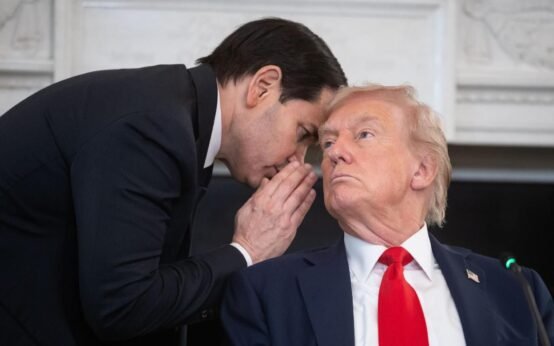 Trump Announces Gaza Peace Deal Israel Hamas Sign Agreement
 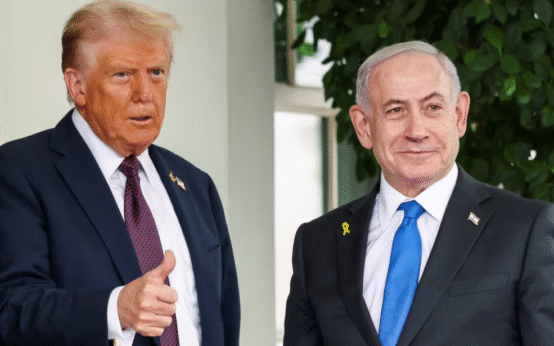 Hamas and Israel Agree to Trump’s Gaza Ceasefire Proposal
 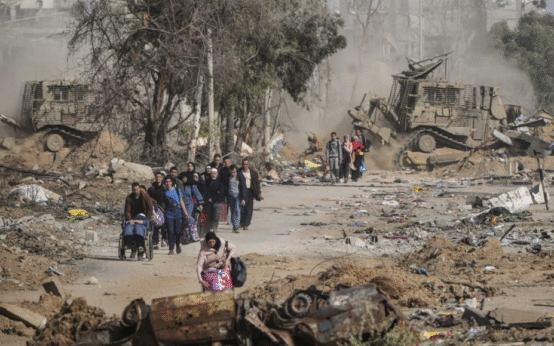 Airstrikes and Gunfire Kill at Least 57 in Gaza as Conflict Deepens
 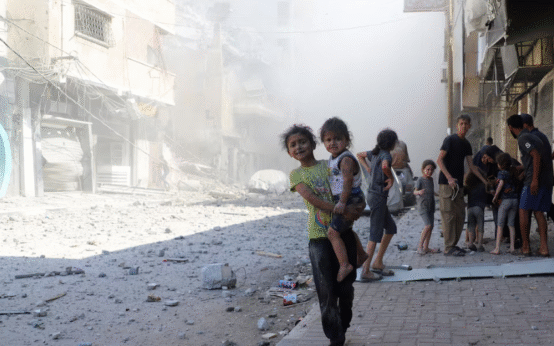 Hamas Says It Has Not Received Trump’s Plan
  Italy sends naval vessel to help Gaza aid flotilla