
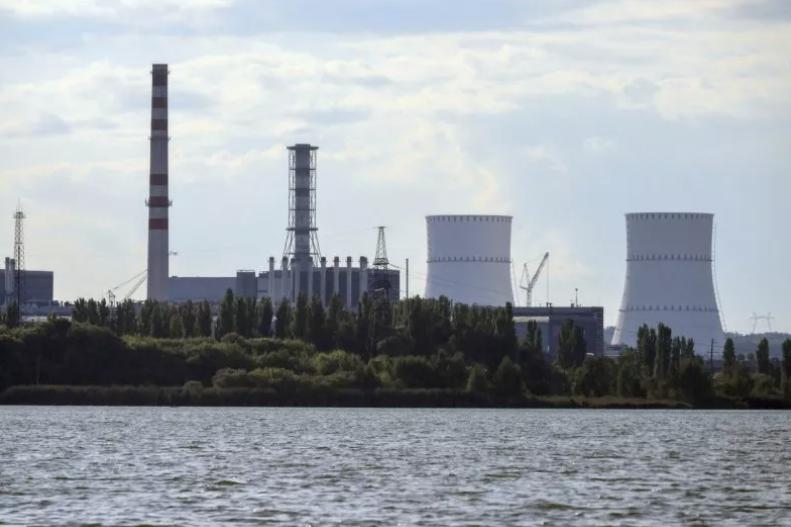
On August 24, 2025, the same day Ukraine celebrated its Independence Day, a Ukrainian drone attack hit close to Russia’s Kursk Nuclear Power Plant. Russian officials said the drone was shot down by air defenses, but falling debris caused a fire at the site. The blaze damaged a transformer that supplied power to one of the reactors, forcing the facility to reduce its electricity output.
Ukrainian Drone Strike Forces Reactor in Kursk Nuclear Power Plant
According to Russian authorities, one of the plant’s main reactors Reactor No. 3 had to lower its power production to 50 percent. Two other reactors were already offline, and a fourth was under scheduled maintenance. This left the power station operating at only a fraction of its full capacity.
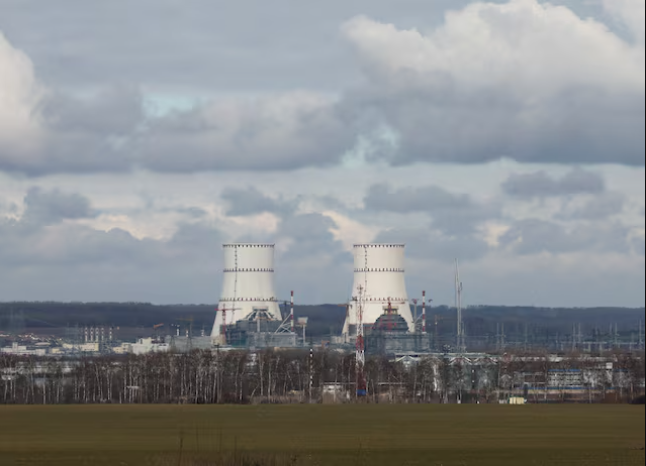
The Kursk plant is one of the most important nuclear facilities in Russia, located close to the Ukrainian border. While officials insisted that radiation levels were safe, the incident reminded the world of how fragile nuclear security can be in times of war.
Far away from Kursk, in the Leningrad region on the Gulf of Finland, another Ukrainian drone strike caused a major fire at Novatek’s Ust-Luga fuel terminal. This port is a vital link in Russia’s energy exports, sending fuel to both Asia and Europe.
Russia Claims to Have Intercepted Nearly 100 Ukrainian Drones
The Russian Ministry of Defense reported that its air defenses shot down 95 Ukrainian drones across more than twelve regions on the same day. The strikes stretched from the Kursk region to Crimea and even as far as Samara and Leningrad.
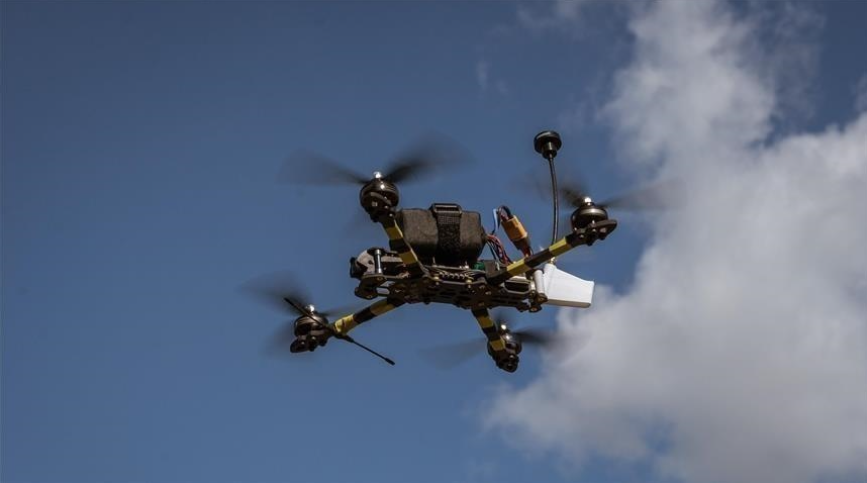
This large-scale attack showed that Ukraine is using drones as a key weapon to pressure Russian infrastructure, especially on symbolic dates like Independence Day. In response, Moscow promised stronger defenses and warned Kyiv against targeting nuclear and energy sites.
In recent years, the IAEA has also expressed concerns about Ukraine’s own Zaporizhzhia Nuclear Power Plant, which has faced shelling and drone strikes since the beginning of the war. The Kursk attack added another urgent warning that nuclear sites should never be caught in crossfire.
Growing Use of Drone Warfare Shows New Dangers for Global Security
Drone technology has become one of the most widely used tools in the Ukraine-Russia war. These weapons are cheaper and easier to deploy than missiles, yet they can cause serious damage to critical facilities like power plants, oil terminals, and ports.
The Kursk strike, along with the Ust-Luga fire, demonstrated how modern warfare increasingly targets energy infrastructure. Such attacks may weaken the enemy’s economy, but they also endanger civilians and risk triggering international crises if accidents occur.
As drone warfare intensifies, it exposes the vulnerability of critical energy and nuclear facilities in conflict zones. Nations must urgently strengthen international agreements and implement protective measures to prevent a crisis that threatens not only Ukraine and Russia, but the entire world.


 Algeria seeks Russia’s support on Western Sahara amid US pressure
  Russia Condemns US Military Intervention Threat in Iran
  Ukrainian Findings Suggest Cracks in Russian Military Morale
  Ukraine Targets Russian Logistics in New Year’s Eve Strikes on Occupied Territories
  Russia Deploys Nuclear-Capable Hypersonic Oreshnik Missiles in Belarus
  Kim Jong Un’s Rewards for Backing Russia in Ukraine War