

Taiwan Semiconductor Manufacturing Company announced a massive $250 billion investment plan on January 15, 2026, focused on expanding advanced chip production capacity in the United States, Japan, Germany, and Taiwan itself. The multi-year commitment includes new 2nm and 1.6nm fabs in Arizona second and third facilities, Kumamoto Japan, Dresden, and additional sites in Hsinchu and Taichung, Taiwan. TSMC aims to triple its US capacity by 2030 and support growing demand from AI, high-performance computing, and automotive clients.
In a reciprocal move widely seen as linked to the investment pledge, the Trump administration reduced proposed tariffs on Taiwanese semiconductors from an initial 25–32% threat to 15%, effective immediately for most TSMC products. The adjusted rate applies to advanced nodes 7nm and below while exempting mature nodes critical for automotive and consumer electronics supply chains. White House officials described the deal as a “win-win” because it not only secures US chip supply but also creates tens of thousands of American jobs. Moreover, it mitigates risks from over-reliance on Taiwan, particularly amid escalating cross-strait tensions.
The announcement follows months of intense negotiations between TSMC Chairman C.C. Wei and US officials, with President Trump personally praising the “tremendous partnership” on Truth Social. TSMC emphasized that the investment accelerates its global diversification strategy while maintaining Taiwan as the core of its leading-edge R&D and production.


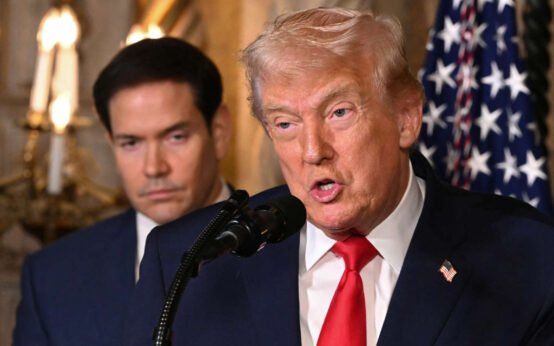 Trump administration signs trade deal to lower Taiwan’s tariff barriers
  China Bans Dual-Use Exports Including Rare Earths to Japan Over Taiwan Remarks
 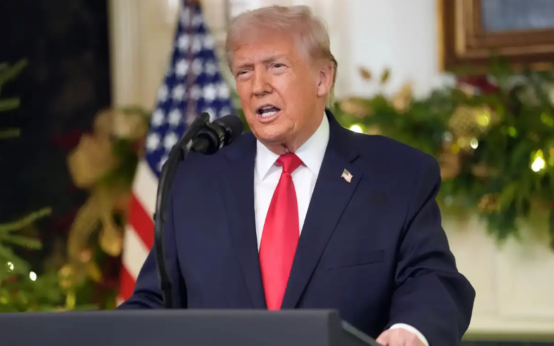 Trump Administration Approves Largest-Ever Arms Sale to Taiwan
  Trump signs Taiwan Assurance Implementation Act deepening US-Taiwan ties and rattling Beijing
 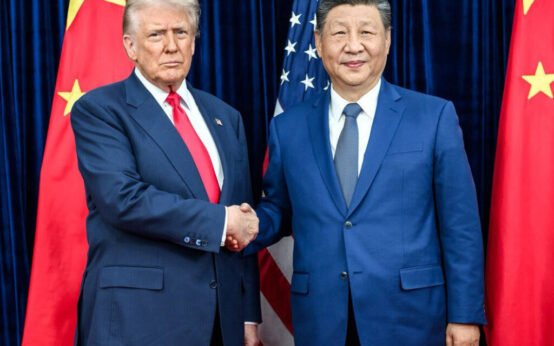 Xi Reinforces Beijing’s Taiwan Claims in Call with Trump Amid Escalating China–Japan Strain
  Chinese Vessel Cuts Taiwan Internet Cable