
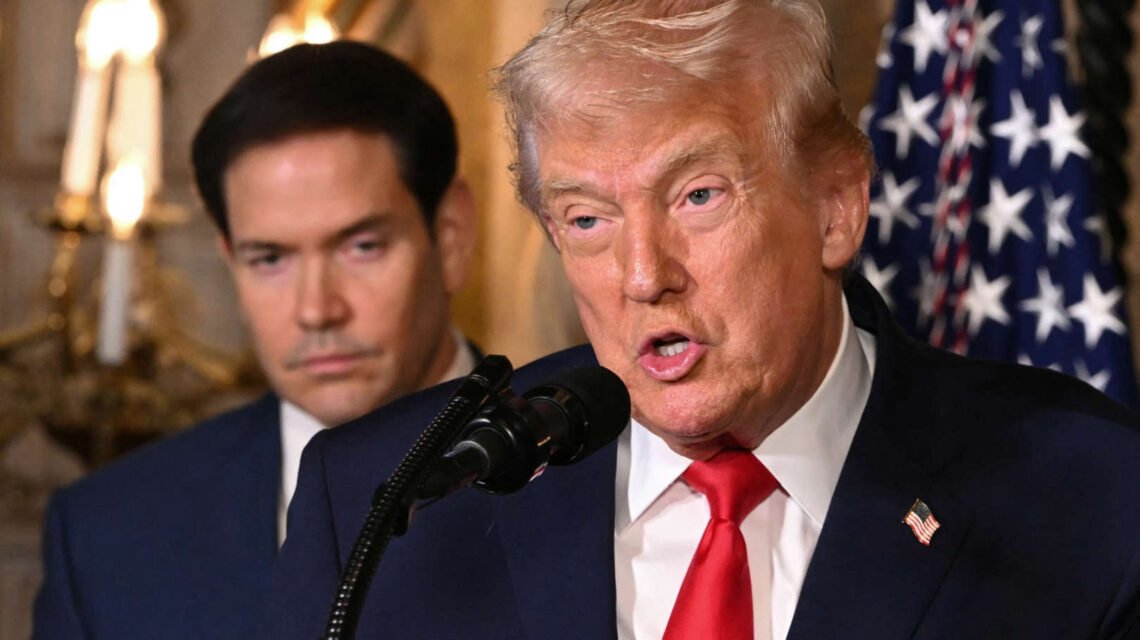
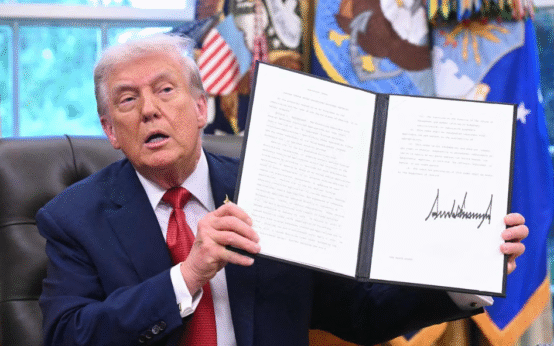
Trump administration finalized a major bilateral trade agreement with Taiwan on January 17, 2026, significantly lowering tariff barriers on key Taiwanese exports to the United States. The deal, signed after months of intense negotiations, reduces or eliminates duties on semiconductors, electronics components, machinery, and certain agricultural products, while granting US firms greater access to Taiwan’s market for beef, pork, pharmaceuticals, and financial services.
US Trade Representative Robert Lighthizer hailed the pact as a “win-win” that strengthens supply-chain resilience, counters China’s economic coercion, and rewards Taiwan for increased defense spending and strategic alignment with Washington. Taiwan’s exports to the trump already over $100 billion annually—will gain a competitive edge, particularly in advanced chips where TSMC dominates global production.
Taiwan agreed to lower tariffs on US agricultural goods beef to 0%, pork to 5%, open its financial sector to more US banks and insurers, and strengthen IP protections for pharmaceuticals and digital content. The deal also includes commitments to joint R&D in AI, quantum computing, and clean energy, as well as language supporting peace and stability across the Taiwan Strait.


 TSMC invests $250 billion, Taiwan tariffs drop to 15%
 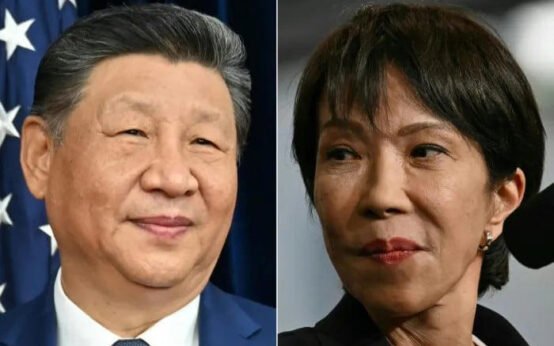 China Bans Dual-Use Exports Including Rare Earths to Japan Over Taiwan Remarks
 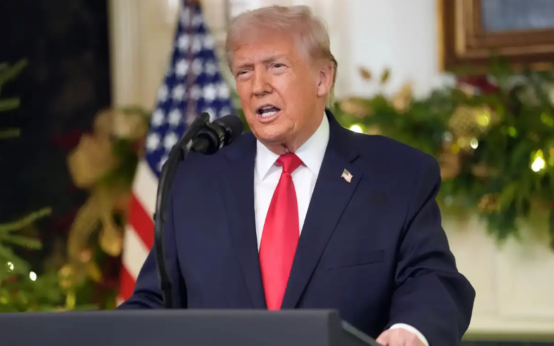 Trump Administration Approves Largest-Ever Arms Sale to Taiwan
  Trump signs Taiwan Assurance Implementation Act deepening US-Taiwan ties and rattling Beijing
 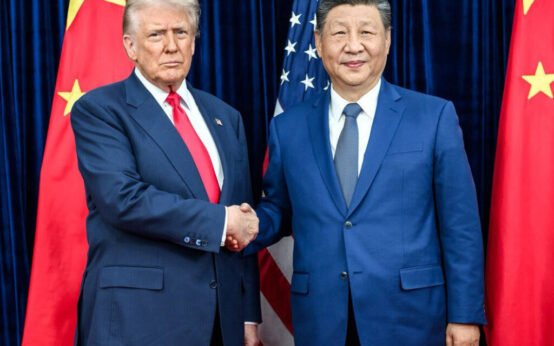 Xi Reinforces Beijing’s Taiwan Claims in Call with Trump Amid Escalating China–Japan Strain
  Trump Vows to Protect Qatar After Hamas Strike