

The City School, one of Pakistan’s largest private school networks, recently entered a landmark Memorandum of Understanding with ICDL Asia through its authorized partner CPD Consultants Pakistan. The goal: to embed globally recognized digital skills certification into The City School’s academic and professional development frameworks. The agreement took shape in Lahore at The City School’s head office, in a boardroom meeting attended by senior leadership from both organizations.
Why ICDL Certification Crucial for Learners and Educators
International Computer Driving Licence is a globally recognized certification played out in over 100 countries, with thousands of testing centres. It offers modular learning pathways: learners can pick modules specific to their needs say, spreadsheet use or safe online behavior and gain formal credentials after assessments. Having ICDL certificates signals to employers and universities that the holder meets accepted international standards in digital skills.
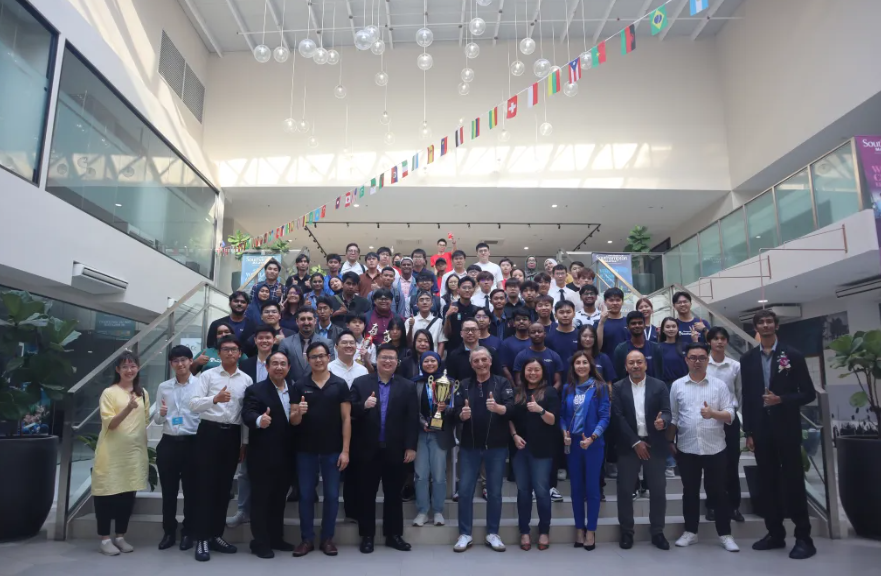
By bringing ICDL into The City School’s system, students will graduate not only with school diplomas but also with digital credentials that help them compete globally. Staff will also benefit: training and certification will upgrade their digital teaching capacities, enable better use of learning technologies, and improve their ability to prepare students for digital futures.
Integrating Certification Into Teaching, Curriculum, and School Life
Under the MoU, The City School plans to integrate ICDL certification in multiple ways. Teachers will receive training to deliver ICDL-aligned modules. Students will have opportunities to earn ICDL credentials as part of their regular courses. Administrative and support staff will also be eligible for the training. Over time, these certifications will become part of how digital literacy is assessed in the school not just an add-on, but woven into everyday teaching and learning.
The idea is not simply to teach computer class but to embed digital skills across subjects. For example, using spreadsheets in mathematics or science, collaborating online in group projects, using secure digital platforms for research, maintaining digital hygiene and cyber safety as part of everyday learning. This approach can make digital literacy concrete, relevant, and meaningful rather than theoretical.
Addressing the Digital Divide and Raising Global Competence
One of the motivations behind this partnership is to reduce gaps in digital access and skills. Many students in Pakistan have different levels of access to computers, internet, or digital tools, depending on where they live or their household background. By offering ICDL certification through a large school network, The City School helps more learners gain internationally benchmarked digital skills. That contributes to reducing inequality in digital fluency across regions and communities.

Moreover, global competence is ever more important. Employers increasingly expect workers who can collaborate online, protect information, work with technology tools safely, and adapt to digital changes. For students, having ICDL certifications can open doors to scholarships, international opportunities, or jobs that require verified digital skills. For Pakistan’s education system, this kind of certification helps raise overall standards in digital literacy.
What This Move Signals for Pakistan’s Education Landscape
This MoU reflects a broader trend in Pakistan: recognition that digital literacy is a priority in education reform. It joins initiatives like government ICT curriculum integrations, public/private sector partnerships, and growing demand from families for 21st-century skills. The City School’s high visibility means its adoption of ICDL could influence other private and public schools to follow suit.
If this kind of certification becomes more widespread, Pakistan could make gains in competitiveness, workforce readiness, and even global rankings of educational digital literacy. Beyond schools, having a population where many hold recognized digital credentials makes it easier for tech growth, remote work opportunities, and innovation.


