
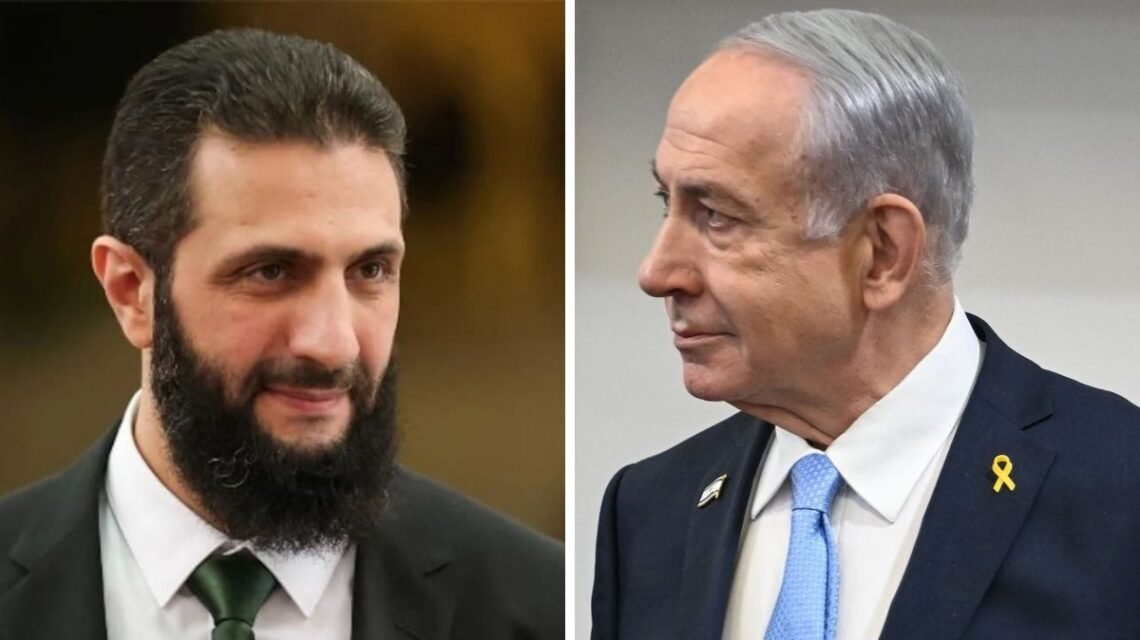
In Paris, Syrian and Israeli officials met for rare talks to reduce tension in southern Syria. This was the first direct discussion between the two sides in many years. The meeting was supported by the United States and showed a small but important step toward peace in a region often troubled by war and mistrust.
U.S.-backed Paris talks bring Syria and Israel to the table
The Paris talks were arranged with the help of the United States. American envoy Tom Barrack played a big role in making this meeting happen. For more than two decades, Syria and Israel have avoided direct discussions, but the violence in southern Syria pushed both sides to consider dialogue. This meeting lasted several hours and was focused on one clear goal reducing the fighting and building stability.
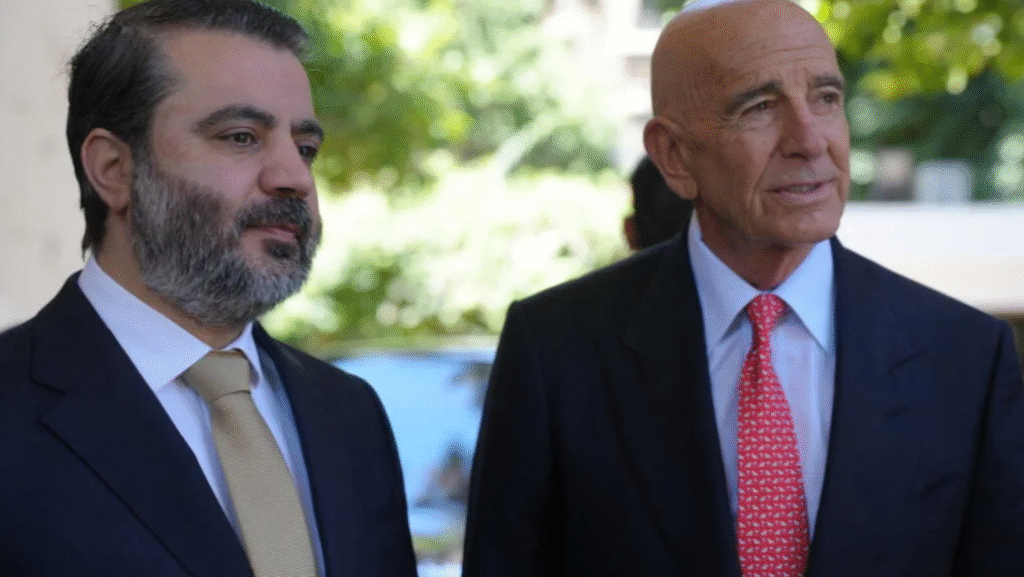
One of the most important topics during the talks was the 1974 disengagement agreement. This agreement was made after the Arab-Israeli war to keep peace in the Golan Heights.
Respect for Syrian sovereignty and national unity
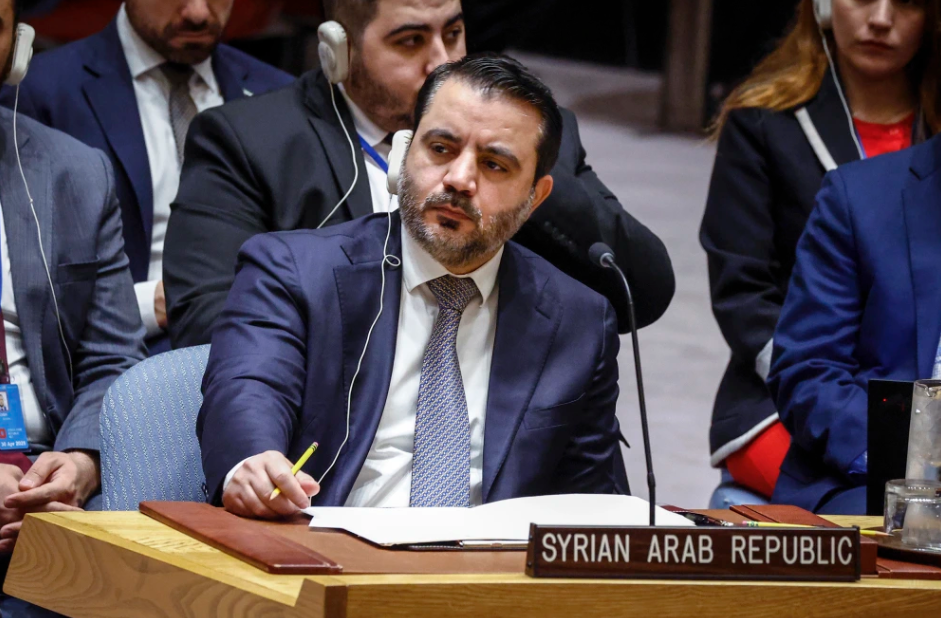
The Syrian officials made it clear that their country’s sovereignty must be respected. They stated that Suwayda, a province in southern Syria, is a permanent and inseparable part of the nation.
Syria strongly rejected any foreign attempts to divide its territory. The Israeli side also listened carefully, and both delegations agreed that respect for sovereignty is a necessary step for any peace process.
The reason these talks became urgent is the recent violence in Suwayda. In this Druze-majority province, fighting broke out between Druze fighters, Bedouin tribes, and Syrian government forces. Hundreds of people were killed in the clashes.
Israel responded with airstrikes in the region, claiming it wanted to protect the Druze population. These events made it clear that the situation could easily spiral into wider conflict, which is why both sides felt a need to sit down and talk.
Talks end without agreement but create space for the future
The Paris meeting did not produce a final deal or a signed peace document. However, it was not considered a failure. Diplomats described it as a “first step.” Both sides left the talks with a better understanding of each other’s concerns and a willingness to keep talking. This may not solve the conflict right away, but it opens the door for more discussions in the future.
This rare meeting is important not only for Syria and Israel but also for the entire Middle East. It shows that even long-time rivals can choose dialogue over violence when situations become too dangerous. If the disengagement agreement is renewed and respected, it may reduce fighting in southern Syria and bring a period of calm to the Golan Heights.


 Macron confirms 2026 trip to Bucharest after bilateral talks in Paris
 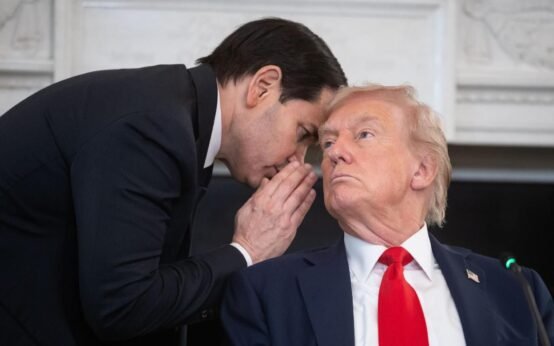 Trump Announces Gaza Peace Deal Israel Hamas Sign Agreement
  Germany’s Johann Wadephul Declares Support for Israel
 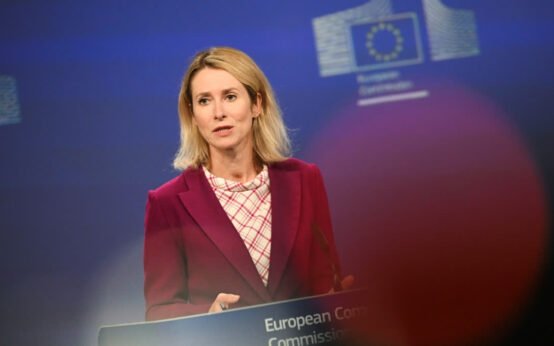 EU lays out new tariffs and sanctions on Israel over war in Gaza
 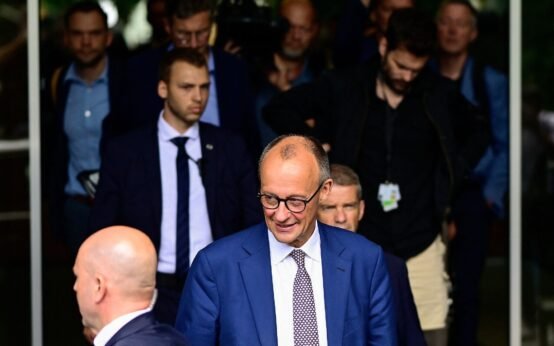 German Jewish Group Calls on Merz to Support Israel
 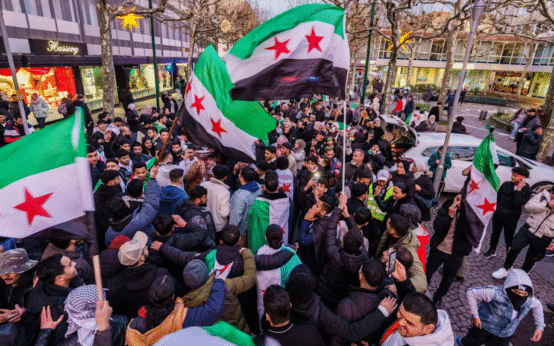 Germany updates: CDU push for more voluntary Syria returns