
South Korea’s economic growth of 1.9% in 2025 once again trailed the United States, underscoring persistent structural challenges and external headwinds facing Asia’s fourth-largest economy. According to preliminary estimates from the Bank of Korea released on January 15, 2026, real GDP expanded by just 1.9% year-on-year the weakest performance since the 2020 pandemic contraction compared with the US economy’s estimated 2.72.8% growth for the same period. The gap highlights Korea’s ongoing struggle with subdued domestic demand, high household debt, weak exports to China, and the lagged effects of global monetary tightening.
Private consumption remained sluggish at 1.4% growth, weighed down by elevated interest rates and cautious households still deleveraging after years of borrowing-fueled spending. Facility investment contracted slightly (-0.3%), reflecting corporate caution amid US tariffs, geopolitical risks, and uncertainty over semiconductor demand cycles. Construction investment fell -4.1%, hit by tighter credit conditions and a prolonged property downturn. Exports, Korea’s traditional growth engine, grew only 2.2%, underperforming expectations due to slower Chinese recovery and competition in key markets.
By contrast, the US benefited from resilient consumer spending, robust labor-market conditions, and productivity gains linked to AI and technology adoption, allowing it to outpace Korea for the third consecutive year. Analysts note that Korea’s high exposure to cyclical industries semiconductors, automobiles, shipbuilding and reliance on external demand leave it more vulnerable to global slowdowns than the more diversified and domestically driven US economy.


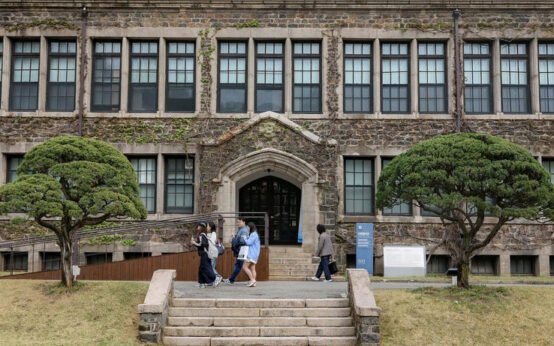 South Korea pledges $10M annually to lure elite global scientists
 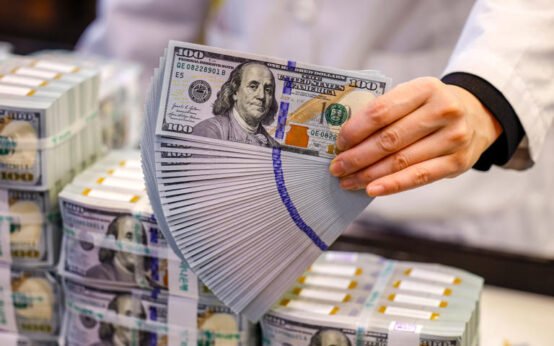 South Korea’s Foreign Exchange Reserves Hover at Low 20% of GDP Amid Vulnerability Concerns
 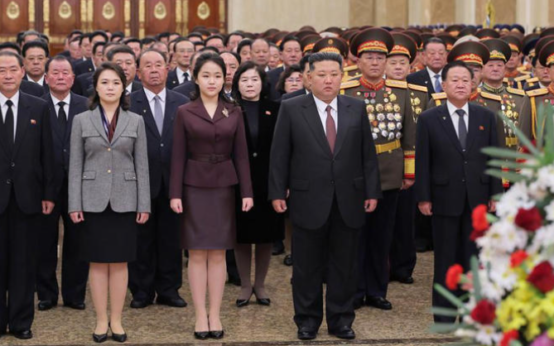 South Korea’s National Security Adviser Addresses US Concerns Over Revised Network Act
  South Korea KFTC Chairperson Vows Crackdown on Digital Platform Abuses for 2026
  South Korea’s Exports Surpass $700 Billion in 2025, Ranking Sixth Globally
 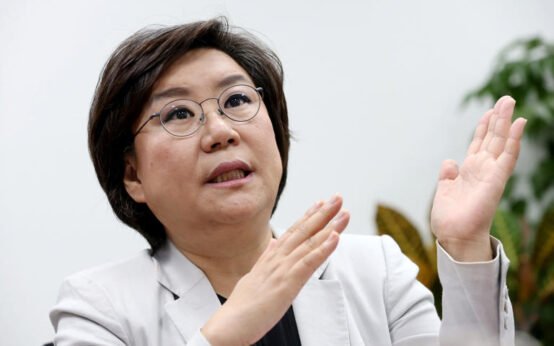 People Power Party Expels Lee Hye-hoon Over Acceptance of Ministerial Post in Lee Jae-myung Government