
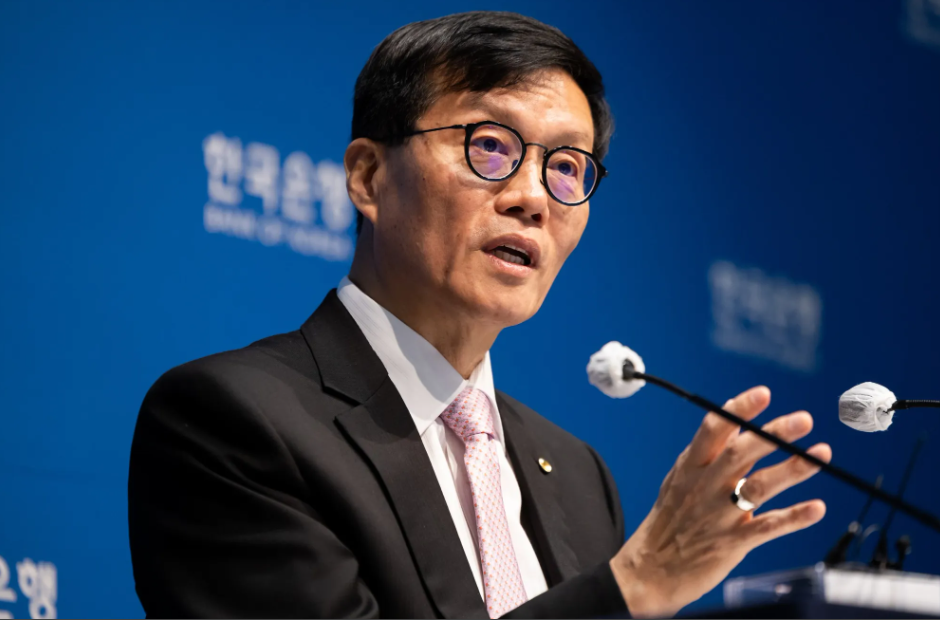
Political debate erupted in South Korea after a Democratic Party member accused Bank of Korea Governor Rhee Chang-yong of triggering market instability through recent policy decisions. The criticism surfaced during a parliamentary session, where lawmakers examined the country’s financial volatility and investor concerns.
Concerns Over Sudden Market Turbulence
South Korea has experienced sharp fluctuations in currency and bond markets in recent weeks. According to the Democratic Party lawmaker, the governor’s communication strategies and unexpected monetary signals created uncertainty, leading investors to respond nervously.
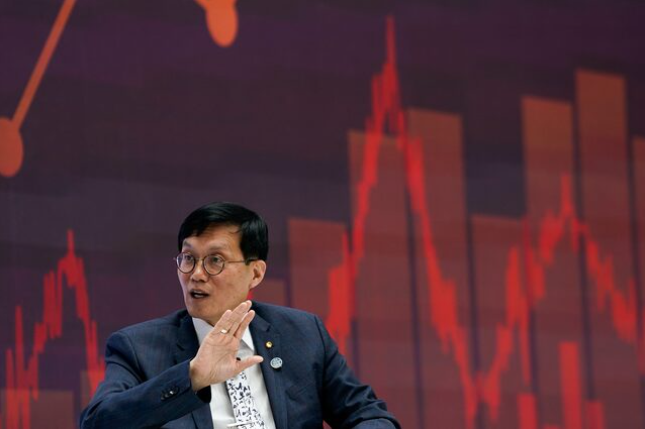
As markets reacted, opposition voices argued that clearer policy guidance could have softened the impact.
Governor Rhee Defends His Position
Despite the criticism, Governor Rhee defended the central bank’s actions and stressed that decisions were based on economic data, inflation pressures, and global conditions. He firmly rejected claims of mismanagement, saying that the central bank maintained transparency throughout the process.
He also noted that market instability often reflects broader global trends, not just domestic decisions.
The accusation added more tension to the ongoing political divide over South Korea’s economic direction. While the government insists that monetary tightening is necessary to stabilise inflation, several Democratic lawmakers argue that aggressive measures could slow growth and damage household spending power.
With elections on the horizon, analysts believe economic policy debates will become even sharper.
Public Reaction Reflects Growing Anxiety
Ordinary citizens and small businesses, already facing high borrowing costs, expressed concern over the political fight. Many fear that continued friction between policymakers may worsen economic uncertainty.
For now, the dispute highlights the delicate balance between maintaining financial stability and ensuring public confidence.


 Democratic Party Leader Orders Ethics Probe into Lawmaker Amid Bribery Allegations