
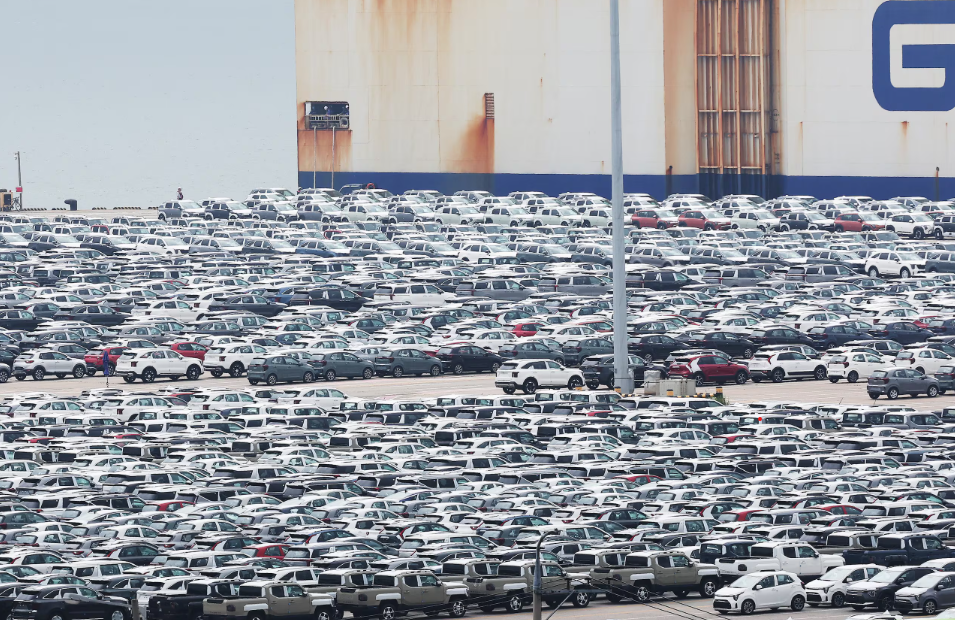
South Korea and Ecuador recently signed the Strategic Economic Cooperation Agreement in Seoul, opening the door to deeper trade and stronger economic partnership. This deal, which functions much like a modern free trade agreement, signals a big change for both nations. For South Korea, it marks its 23rd trade pact worldwide, while for Ecuador, it creates opportunities to reach one of Asia’s most advanced economies.
Tariff removal under SECA creates big opportunities for trade
One of the biggest features of SECA is the removal of tariffs. South Korea agreed to lift duties on 96.4% of Ecuadorian goods, while Ecuador will remove tariffs on 92.8% of Korean products. This level of tariff elimination is expected to boost two-way trade significantly.
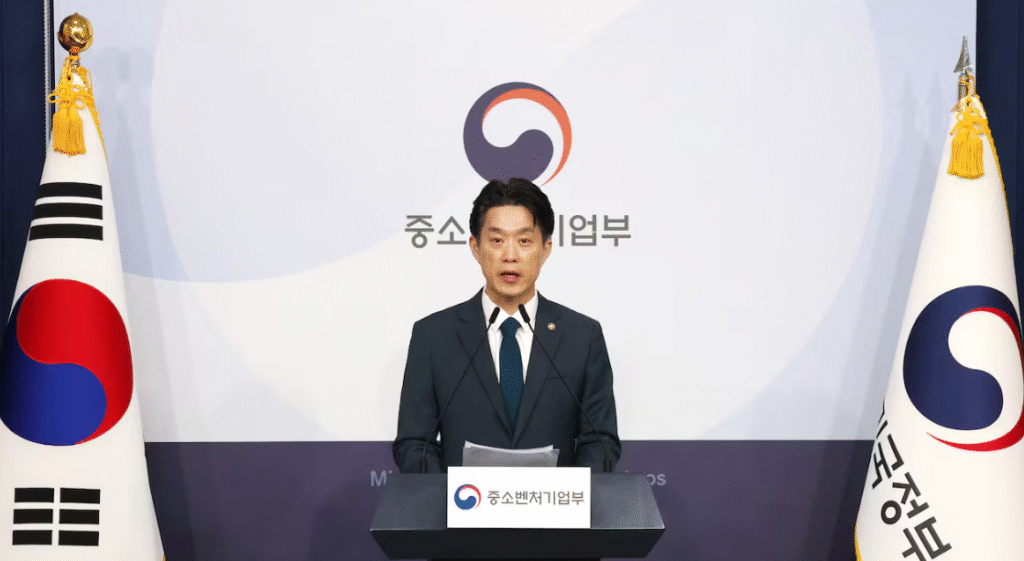
For South Korea, the deal secures easier access to copper, zinc, silver, and energy resources, which are vital for its industries and technology sector. For Ecuador, SECA provides greater entry into the South Korean market for agriculture, flowers, seafood, and raw materials, alongside new prospects to sell in-demand exports like bananas and coffee. At the same time, Ecuadorians will be able to import Korean vehicles, electronics, cultural content, and advanced machinery at lower costs.
Building stronger ties in Latin America through SECA
South Korea has been looking to diversify its trade partnerships beyond its traditional markets in Asia, North America, and Europe. Latin America is an important part of that plan, and Ecuador plays a central role.
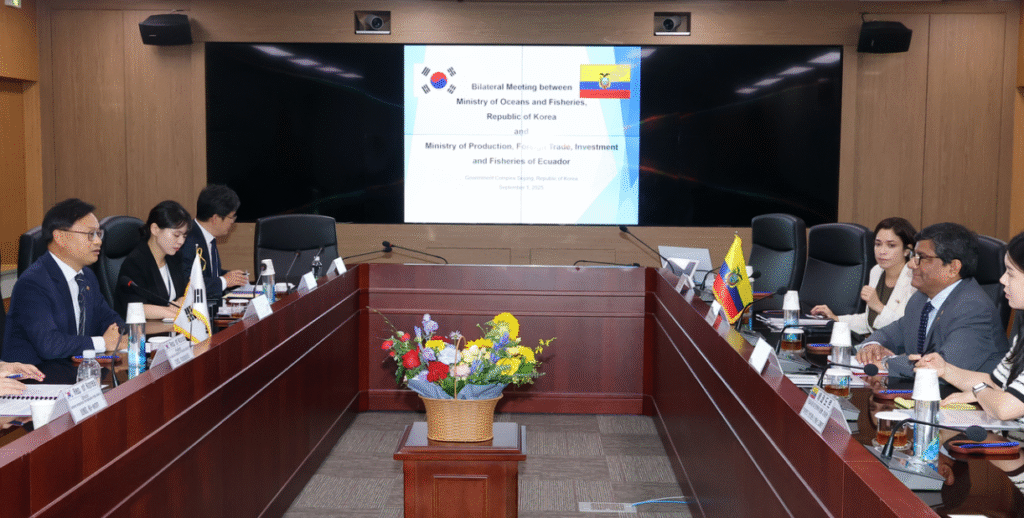
For Ecuador, the agreement is also about positioning itself as a gateway into Latin America for South Korean investment. By joining forces, the two countries hope to encourage other Latin nations to explore deeper trade ties with Asia, boosting cooperation across the Pacific.
South Korea–Ecuador business forum highlights private sector role
After the official signing, a large business forum took place in Seoul, attended by around 100 companies from both nations. These firms represented sectors such as automotive, agriculture, electronics, services, and cultural content.
The forum allowed businesses to connect directly, exchange proposals, and explore opportunities that could turn the government-level deal into real projects.In particular, their active participation signaled a shift from passive endorsement to tangible collaboration. Moreover, the willingness of firms to engage suggests growing confidence in the framework’s potential. As a result, the agreement is no longer just a theoretical construct—it’s becoming a practical tool for regional integration.
While the agreement was widely praised, some concerns have also emerged. South Korea’s domestic flower industry fears that SECA will bring in a surge of low-cost Ecuadorian flowers—especially roses, carnations, and chrysanthemums that could undercut local farmers.


 South Korea pledges $10M annually to lure elite global scientists
 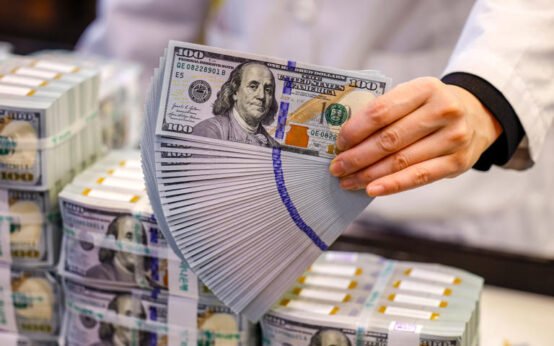 South Korea’s Foreign Exchange Reserves Hover at Low 20% of GDP Amid Vulnerability Concerns
  South Korea’s 1.9% growth trails US again
 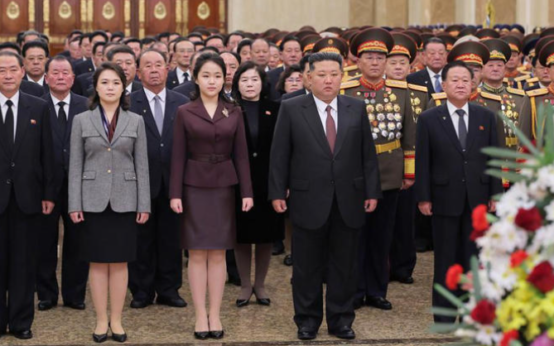 South Korea’s National Security Adviser Addresses US Concerns Over Revised Network Act
 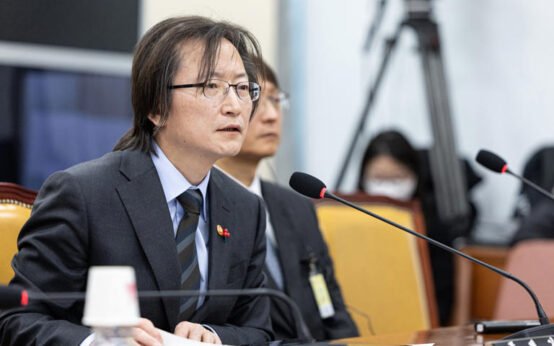 South Korea KFTC Chairperson Vows Crackdown on Digital Platform Abuses for 2026
  South Korea’s Exports Surpass $700 Billion in 2025, Ranking Sixth Globally