
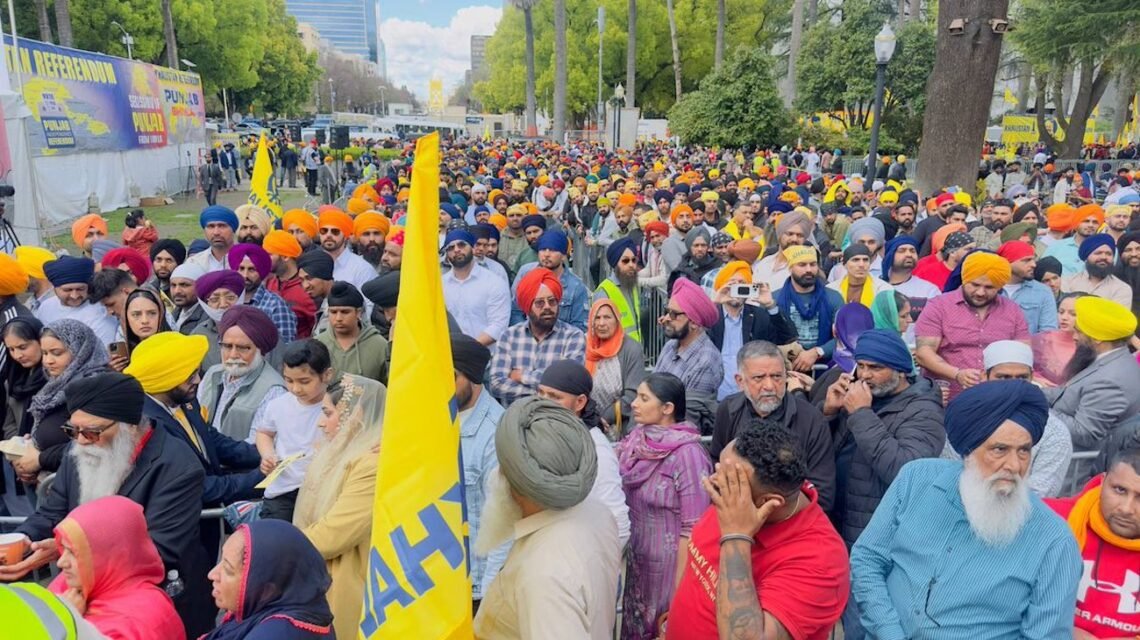
The Khalistan referendum is a symbolic voting exercise organized by Sikh groups abroad, mainly by the organization Sikhs for Justice. Through this referendum, Sikhs are asked whether Punjab, a northern Indian state, should become an independent homeland called Khalistan.
The referendum does not carry any legal recognition from either India or the United States, but for many Sikhs, it is an important way to express their opinion on self-determination. Supporters describe it as a peaceful and democratic method to show their political will without resorting to violence.
Why Washington Was Selected for This Referendum
The Sikh community in the United States decided to hold the referendum in Washington, D.C., because of the city’s political importance. Being the capital of the United States, Washington is home to major global institutions, embassies, and international decision-makers. By choosing this city, organizers hope the issue will attract international media attention and gain more visibility.
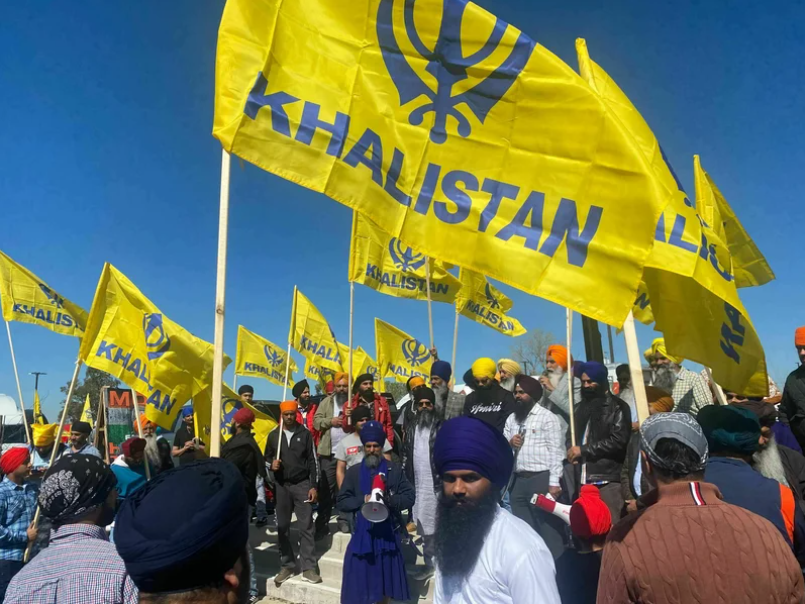
The U.S. also has a large Sikh diaspora, with tens of thousands of Sikhs living in different states. Many of them have roots in Punjab and still feel deeply connected to the region. According to organizers, the referendum allows the diaspora to play an active role in shaping the future of their ancestral land, even if only symbolically.
India’s Position on the Khalistan Movement
The Indian government strongly opposes the Khalistan movement and considers it a threat to its national unity. Officials in New Delhi assert that India includes Punjab as an integral part and accuse overseas groups of politically motivating separatist demands.
India has also banned Sikhs for Justice , calling it an unlawful organization that promotes division and unrest. The Indian government often lodges complaints with countries that allow such referendums, saying they encourage separatism and give space to extremist groups.
Indian officials also highlight the progress Punjab has made in recent years, arguing that most Sikhs in India do not support separatism and prefer to live within a united country.
Why Some Sikhs Demand Khalistan
The demand for Khalistan cannot be understood without looking at the history of Sikh struggles in India. In the 1980s, tensions between Sikh groups and the Indian government rose sharply.
The situation reached a breaking point in 1984 during Operation Blue Star, when the Indian Army stormed the Golden Temple, the holiest Sikh shrine, to remove armed militants hiding inside. The military action deeply hurt Sikh sentiments worldwide.
Later that year, Sikh bodyguards assassinated Prime Minister Indira Gandhi, triggering violent anti-Sikh riots across India.
Will the Referendum Change Anything?
Experts believe the referendum in Washington will not bring immediate political change, as it has no legal recognition. However, it shows that the Khalistan movement remains strong among the Sikh diaspora.
The referendum also keeps international attention on Sikh grievances, especially issues of human rights, discrimination, and justice for the 1984 riots. While India rejects the referendum outright, its occurrence in major world capitals ensures that the Khalistan issue will not fade away easily.
Analysts say that the future of the movement will depend on whether Sikh leaders abroad can build political alliances and whether the Indian government engages more directly with Sikh concerns at home.


 Zelensky to Meet Trump in Washington Alaska ‘No Deal’ on Ukraine
  Two Israeli Embassy Staff Killed in Washington D.C