

South Korea’s prosecution service faces intense backlash after filing a partial appeal in a high-profile corruption case on January 2, 2026. The decision to challenge only certain acquittals while accepting others ignites accusations of political bias, deepening the nation’s partisan rift.
The Appeal at the Center of Controversy
Prosecutors appeal parts of a lower court ruling in a major scandal involving opposition figures, selectively targeting verdicts seen as lenient. Critics argue this “partial” approach protects ruling party allies while aggressively pursuing opponents, undermining judicial impartiality.
The People Power Party demands impeachment of involved officials, calling it prosecutorial overreach. In contrast, the Democratic Party condemns the appeal as wasteful and vindictive, labeling it a “political witch hunt.”
Deepening Polarization in Korean Politics
This move exacerbates Korea’s polarized landscape, where prosecutions often appear weaponized. Public trust in institutions erodes further, with rallies on both sides highlighting fears of “revenge justice.”
Analysts warn such selective actions fuel cycles of retribution, threatening democratic stability ahead of elections.


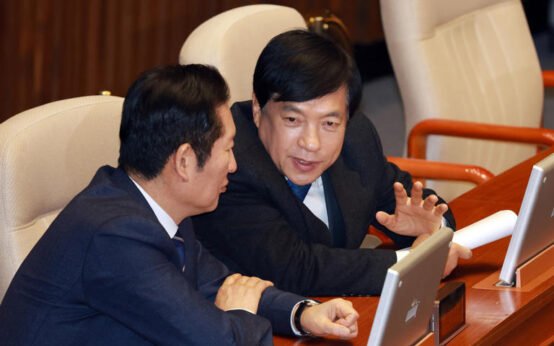 Democratic Party appoints Lee to prosecution response committee
 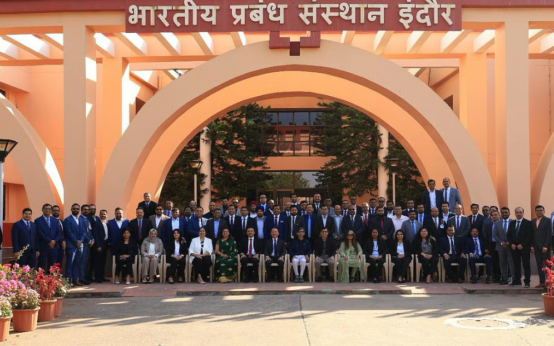 IIM Indore’s 2019 Proposal: Training Program for Politicians, Bureaucrats, and Businessmen
 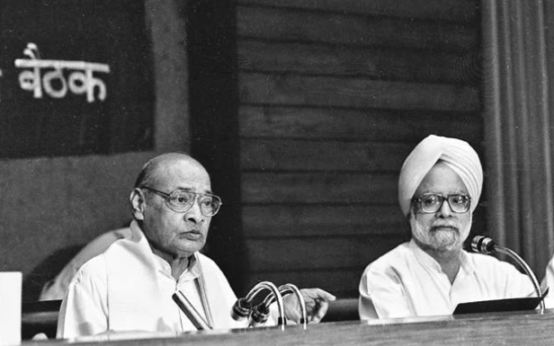 India Today@50 Episode 3: Pokhran Nuclear Tests, Globalization, Coalition Politics, and Kargil War
 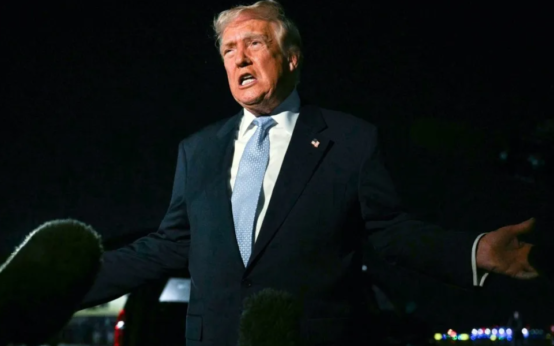 Trump Travelled on at Least 8 Epstein Flights, Over 11,000 New Files Released
  New Tamil Nadu Party Defends Secular Stand, Calls Political Controversy a ‘Staged Drama’
  Donald Trump Slams CNN as “Corrupt,” Demands Network Be Sold After Fiery Clash With Reporter