
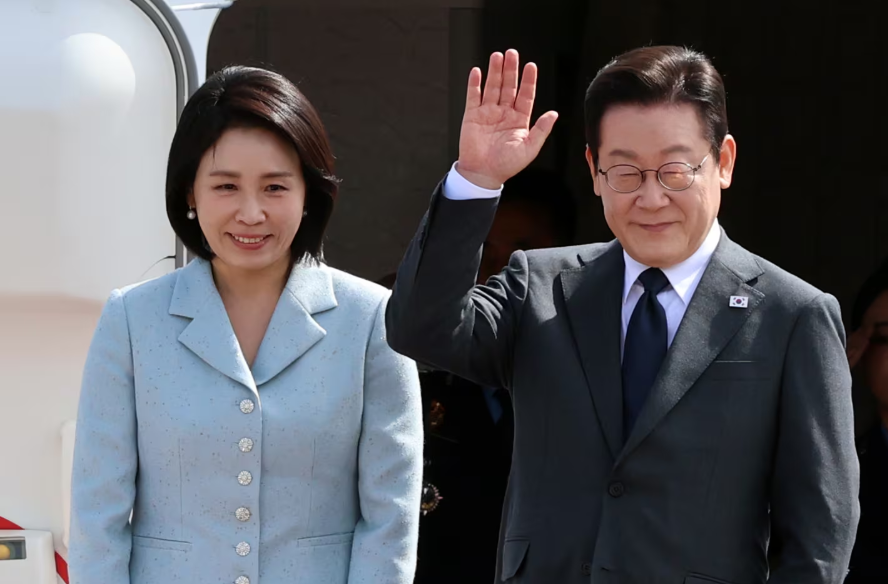
Gallup Korea survey revealed that President Lee Jae-myung’s approval rating fell to 55 percent, dropping five points from the previous week. The poll, conducted between September 23 and 25, sampled 1,002 adults across the country and found that negative evaluations rose to 34 percent. This marks one of the lowest points for Lee since he assumed office earlier this year, sparking debate over the causes and implications of this decline.
South Korean public opinion reacts to diplomatic challenges
Public dissatisfaction has grown over the government’s handling of diplomatic relations with the United States, North Korea, and regional powers. While some citizens appreciate Lee’s efforts to balance competing interests, others criticize his administration for lacking a clear strategy. Voters want to see stronger leadership on issues such as trade tariffs, nuclear threats, and military alliances, and their frustration shows in the approval numbers.
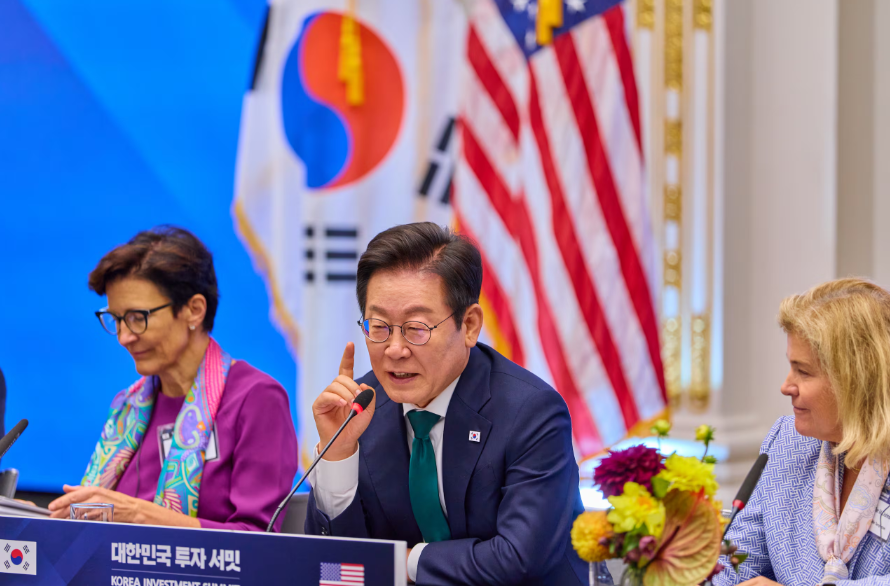
South Koreans continue to grapple with rising prices, inflation, and daily living costs. Many citizens argue that the government has not delivered swift solutions to ease financial stress, particularly for working families and small businesses. The approval drop highlights how much economic performance shapes political support. Without visible progress on wages, job creation, and affordable housing, the president risks further erosion of confidence.
Judicial controversies weaken confidence in political leadership
Lee’s push for legal and judicial reforms has faced intense scrutiny. Moves to pressure or impeach high-level officials within the legal system have drawn sharp criticism from both opposition parties and the public. Citizens fear that political influence over the judiciary could undermine fairness and accountability. This controversy has become a major factor behind the dip in Lee’s approval rating.
The poll shows that approval ratings declined unevenly across the country. In regions like Honam and Seoul, support dropped more sharply than in other areas. Younger voters in their 20s and 30s also expressed disappointment, reflecting high expectations for reform and transparency. The generational divide suggests that Lee must craft policies that resonate more directly with young citizens if he wants to secure long-term political support.
Future challenges for President Lee Jae-myung’s political agenda
55 percent approval rating still gives Lee a majority of public backing, but the decline signals significant risks for his reform agenda. Public confidence remains fragile, and the administration faces mounting pressure to deliver visible progress in key areas.
One of the most pressing challenges for Lee is economic management, especially as inflation and household debt remain high. South Korea’s export-driven economy is vulnerable to global slowdowns and trade disputes, meaning the government must craft policies that protect jobs while also promoting innovation.


 People Power Party Proposes Policy Shift Summit with President Lee Jae-myung
  President Lee Arrives in Beijing, Receives Ministerial Welcome
  President Lee Jae‑myung Emphasizes Empathy as Core Leadership Strength
  President Lee Jae-myung Attends ASEAN Summit in Malaysia
  President Lee Orders Fast Restoration After Devastating Fire