
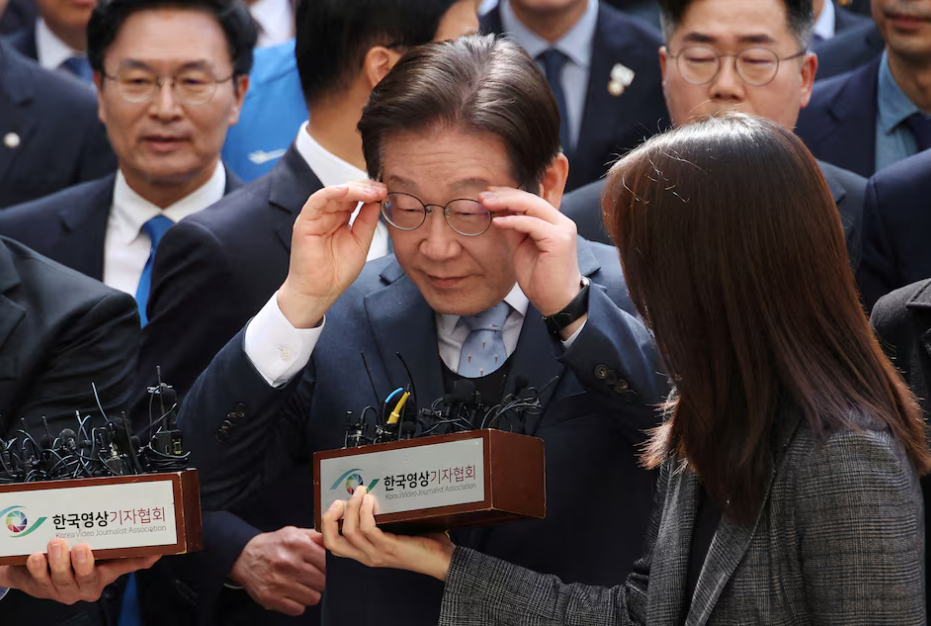
President Lee Jae‑myung of South Korea is gaining attention for bringing empathy to the forefront of international diplomacy. At a recent global summit, he didn’t just negotiate he shared deeply personal stories, forging stronger personal bonds with other world leaders and emphasizing emotional connection as a cornerstone of his diplomatic style.
During the summit, Lee recounted his early life struggles, including working in factories and overcoming a physical injury in his youth. His candid storytelling resonated especially during his meeting with Brazilian President Luiz Inácio Lula da Silva, who shared a comparable story of hardship. Rather than sticking to formal remarks, Lee leaned into shared experience, building rapport through vulnerability and authenticity.
Bridging Personal and Political through Emotional Connection
Lee’s emphasis on empathy aligns with growing academic scholarship on empathetic leadership. Research shows that leaders who genuinely understand others’ feelings and perspectives are more likely to foster psychological safety, build trust, and motivate their teams.
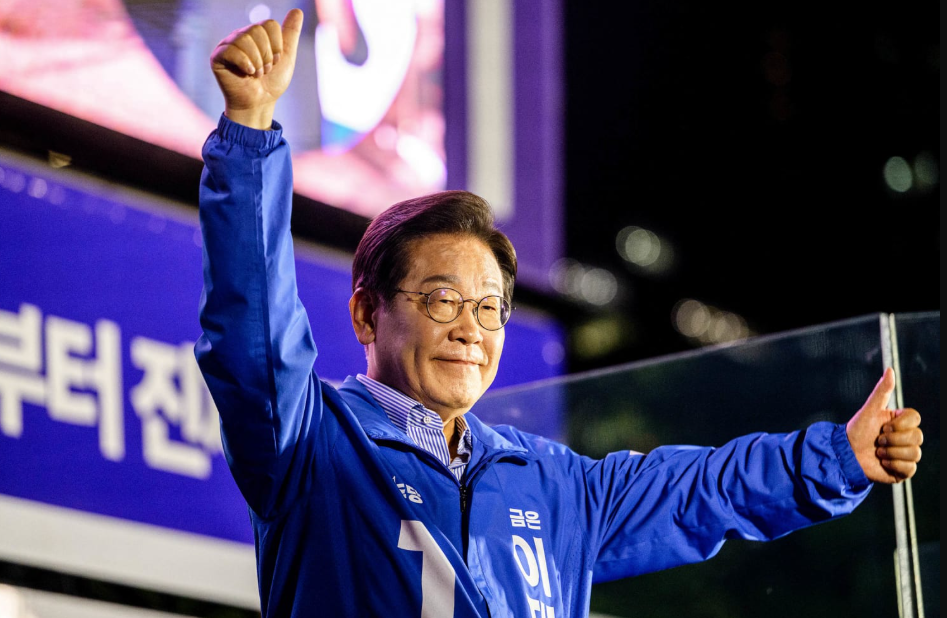
In contexts of crisis or complexity, empathy also helps regulate emotions and improve communication.
Challenges to Empathetic Governance
However, leading with empathy has risks too. Some critics argue that in high-stakes negotiations, emotional appeals might be seen as weakness or manipulation. Empathy must be balanced with strength and accountability. Also, empathy alone doesn’t guarantee good policy: leaders still need vision, strategic acumen, and follow-through.


 People Power Party Proposes Policy Shift Summit with President Lee Jae-myung
  President Lee Arrives in Beijing, Receives Ministerial Welcome
 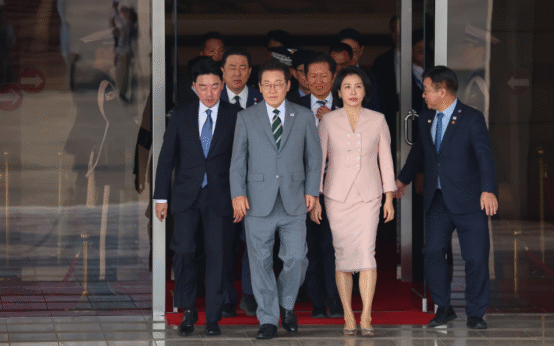 President Lee Jae-myung Attends ASEAN Summit in Malaysia
 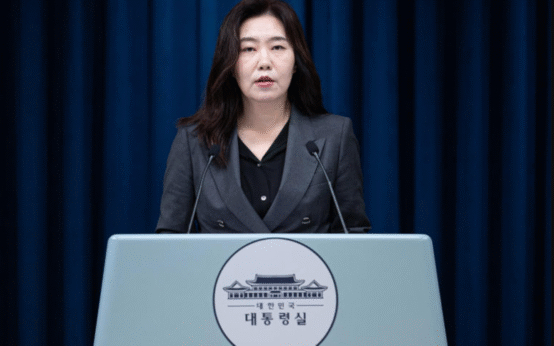 President Lee Orders Fast Restoration After Devastating Fire
  President Lee Jae-myung’s Approval Rating Drops to 55%