
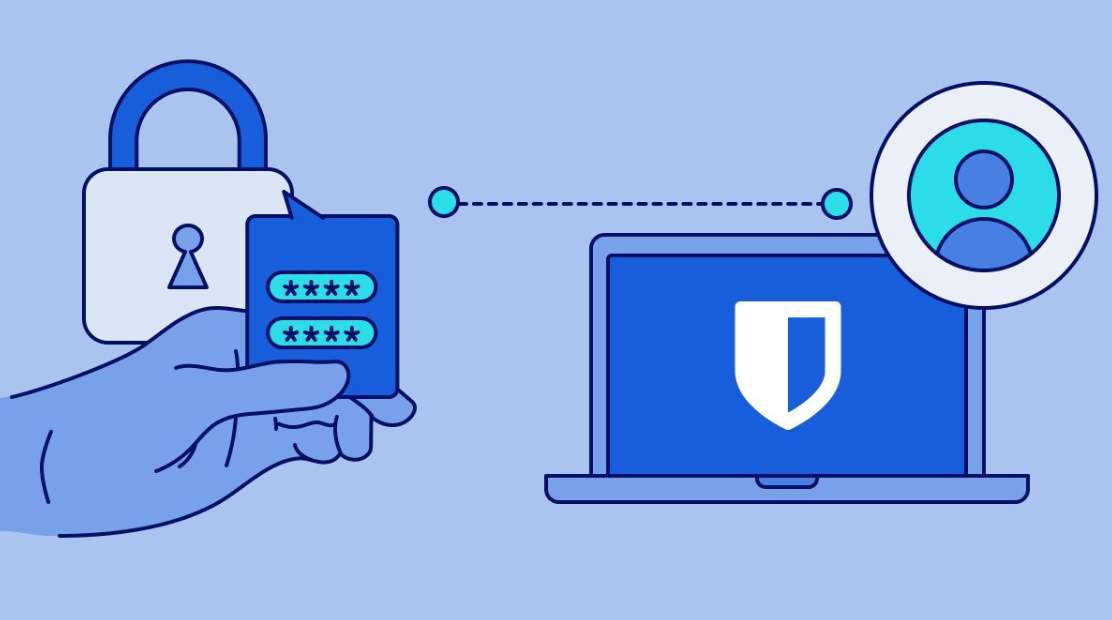
Tech giants are making a bold move to replace traditional passwords with smarter, safer, and faster authentication methods. This change comes as cybercriminals become more sophisticated, using AI tools and advanced hacking techniques to break into accounts.
Why Weak Passwords Increase Cybersecurity Risks
In today’s digital age, passwords have become one of the weakest links in cybersecurity. People often juggle multiple accounts for work, banking, shopping, and entertainment, leading to “password fatigue.” To make things easier, many recycle the same password or choose simple, predictable combinations like “123456” or “password.”

The problem is getting worse as hackers turn to artificial intelligence. AI tools can guess common password patterns, run automated brute-force attacks, and create convincing phishing messages that trick people into revealing their login details. This means that even people who use unique, complex passwords are not entirely safe.
How Tech Giants Are Moving Beyond Passwords
To fight back against growing cyber threats, tech companies are now adopting password less authentication. One of the most promising solutions is the use of passkeys digital credentials stored securely on a device. Instead of typing in a password, users confirm their identity through a fingerprint, facial recognition, or a device PIN. The device then communicates directly with the website or app, making it nearly impossible for hackers to intercept or steal login data.
Another method gaining popularity is biometric authentication. Apple’s Face ID and Touch ID, along with similar technologies on Android devices, allow people to log in quickly and securely without remembering complex passwords.
Microsoft’s Leadership in Passwordless Authentication
Microsoft is leading the global shift toward password less security. The company has announced plans to remove billions of stored passwords from its Authenticator app, encouraging users to switch to passkeys. This decision reflects a broader strategy to make password less login the default for all new accounts.

Countries like the UK are already seeing positive results from adopting passwordless technology. Government portals and healthcare systems, including the NHS, now offer passkey logins, which allow people to sign in within seconds instead of struggling with long passwords and two-factor codes.
Transition Challenges for Businesses Moving Away from Passwords
For companies, moving to passwordless authentication is not as simple as flipping a switch. Businesses need to start by auditing their systems to see where passwords are still required and where passkeys can be introduced. It is often best to begin with low-risk applications before rolling out the technology across more sensitive systems.
Device compatibility is another important factor. Employees need access to devices that support biometric logins or security keys. At the same time, user education is critical. Staff must understand how passkeys work and why they are more secure than passwords.


 The Ultimate WordPress Security Checklist for 2025
  India Meets Taliban Officials Has India Recognized the Taliban?