
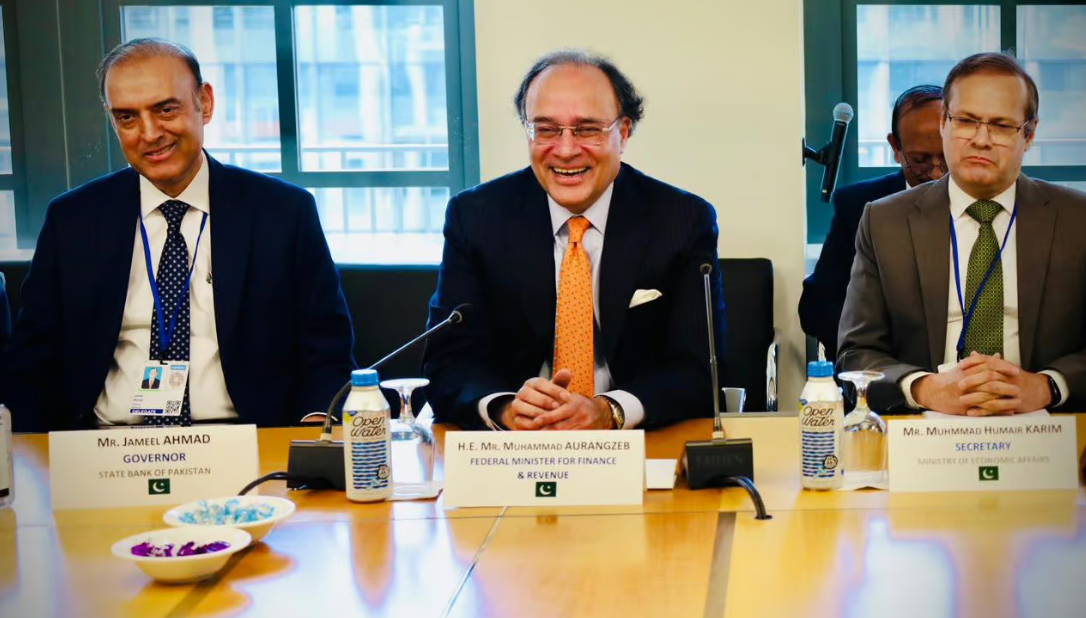
Pakistan’s Finance Minister has asserted that the International Monetary Fund (IMF) cannot enforce loan conditions that go against the country’s national interests, marking a firm stance amid ongoing negotiations for financial support. His statement comes as Pakistan continues its discussions with the IMF to secure favorable terms under a new economic stabilization program.
Pakistan’s Firm Position in IMF Negotiations
Speaking at a recent press conference, the finance minister emphasized that Pakistan welcomes IMF assistance but will not compromise on sovereignty or economic independence. He clarified that while the country remains committed to fulfilling its financial obligations, any conditions that harm domestic priorities or social welfare will be rejected.
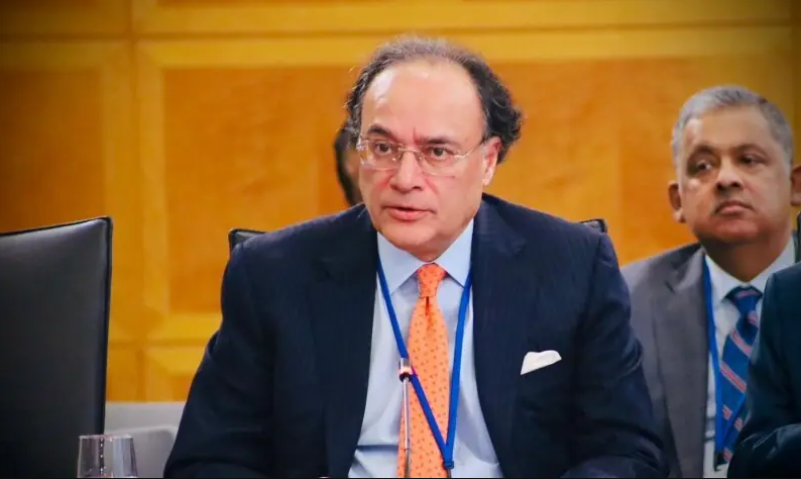
This stance reflects Pakistan’s growing determination to balance fiscal reform with economic growth. The government has been under pressure to implement tough measures such as reducing subsidies, broadening the tax base, and cutting energy losses to meet IMF requirements.
However, officials argue that some of these steps, if applied too rigidly, could hurt low-income citizens and slow economic recovery.
Economic Challenges Push Pakistan to Seek Balance
Pakistan’s economy continues to face high inflation, currency depreciation, and a widening fiscal deficit, making IMF support essential for stability. Despite the challenges, the government has pledged to protect vulnerable sectors and ensure fair economic reforms that align with public needs.
Economists say that while IMF programs are necessary for maintaining foreign exchange reserves and debt payments, the conditions often limit fiscal flexibility. The finance minister’s statement is seen as an effort to negotiate softer, country-friendly terms that prioritize long-term economic recovery.
IMF’s Role and Pakistan’s Response
The IMF has been a key financial partner for Pakistan, providing several bailout packages over the years. However, tensions have occasionally arisen over austerity demands and structural reforms that conflict with the government’s political and social goals.
This time, the finance ministry is taking a more assertive position, signaling that Pakistan will only accept terms that support sustainable growth and social protection. Officials have also highlighted the importance of boosting domestic industries, digital trade, and agriculture to reduce dependency on foreign loans.
Public Sentiment and Policy Direction
Public opinion in Pakistan remains divided. Some view IMF involvement as a necessary step to prevent financial collapse, while others fear it could increase prices and unemployment. The government’s challenge is to rebuild public trust while ensuring economic reforms do not disproportionately burden the middle and lower classes.
The finance minister assured that revenue reforms will focus on broadening the tax net, not raising taxes on ordinary citizens, and that the government will continue investing in social safety programs to shield the poor from inflationary impacts.


 In Our Defence Podcast: Is Bangladesh Becoming East Pakistan 2.0?
  Himanta Taunts Gogoi “He Can Contest Elections in Pakistan”
  Pakistan’s Finance Minister Asserts IMF Cannot Impose Conditions
  PSX Market Surges IMF Nears Staff-Level Agreement
 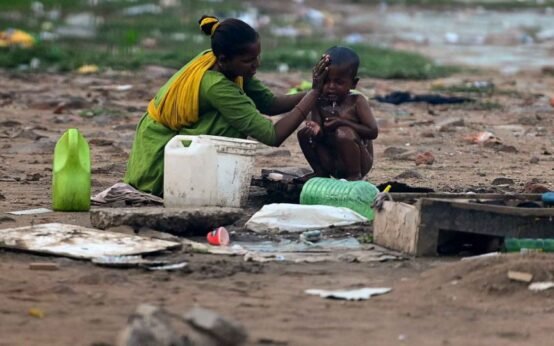 Pakistan’s Struggle to Reduce Poverty
  Pakistan Among Early Adopters of Wi-Fi 7 in Asia-Pacific