

Pakistan and Iran have agreed to expand their trade relations, setting a new target of $3 billion in agricultural trade. The decision highlights the growing importance of regional cooperation as both countries look for new opportunities to strengthen their economies and support food security.
Empowering Bilateral Ties Through Agriculture
Agriculture plays a central role in the economies of both Pakistan and Iran. Pakistan is one of the largest producers of wheat, rice, fruits, and vegetables in South Asia, while Iran produces a variety of nuts, dried fruits, and saffron that are in high demand worldwide. By focusing on agricultural trade, the two nations aim to build on their natural strengths.

Officials from both sides stressed that cooperation in farming, food processing, and exports could create a long-term partnership. Pakistan has expressed interest in exporting rice, mangoes, and citrus fruits to Iran, while Iran could increase exports of dates, pomegranates, and other agricultural products to Pakistan.
Reducing Reliance on Distant Markets
One of the key reasons behind this trade initiative is to reduce reliance on distant and expensive markets. Both countries share a border, which allows for lower transportation costs and faster delivery of goods. By improving cross-border trade, farmers and traders in both nations could benefit directly.

Analysts believe that this agreement may also open the door to wider cooperation, such as joint research on modern farming techniques, sharing technology, and boosting food processing industries.
While the $3 billion target is ambitious, there are several challenges that must be addressed. Sanctions on Iran have often limited its access to international trade markets, while Pakistan struggles with logistical issues, customs delays, and a lack of modern infrastructure at border crossings.
To make this agreement successful, both sides will need to improve banking channels, reduce trade barriers, and ensure transparent policies. Experts also suggest that strong government-to-government coordination will be required to avoid disruptions.
Moving Towards Regional Economic Growth
The agreement comes at a time when regional countries are focusing on self-reliance and local cooperation instead of depending solely on Western markets. By setting a clear trade goal, Pakistan and Iran hope to create opportunities for farmers, traders, and industries on both sides.
Observers see this as more than just a trade deal it is also a sign of growing trust and collaboration between the two neighbors. If implemented effectively, the $3 billion target could help create jobs, support local economies, and strengthen food security across the region.


 Russia Condemns US Military Intervention Threat in Iran
  Iran Warns “We Are Ready for War” as Crackdown on Protests Intensifies
  US Energy Secretary Chris Wright Warns North Korea and Iran After Tanker Seizure
 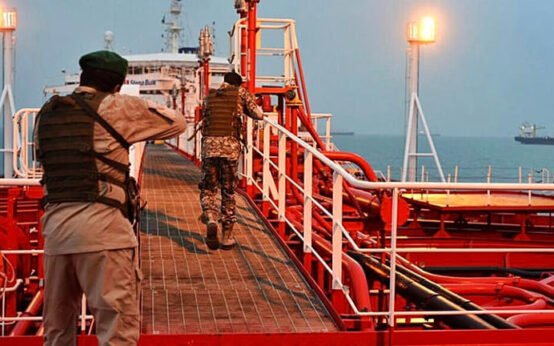 Iran Revolutionary Guard Seizes Foreign Oil Tanker in Strait of Hormuz Over Smuggling Allegations
  In Our Defence Podcast: Is Bangladesh Becoming East Pakistan 2.0?
  Himanta Taunts Gogoi “He Can Contest Elections in Pakistan”