
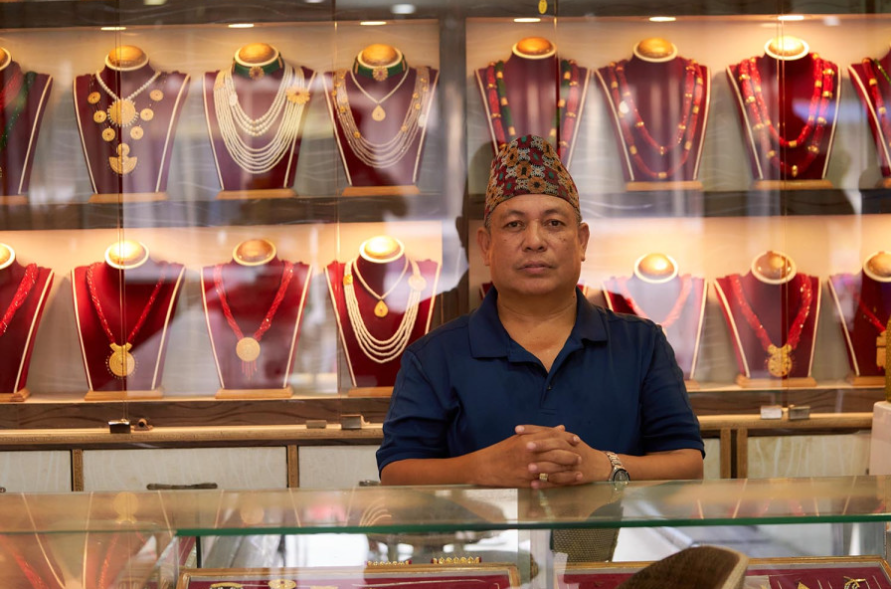
Nepal’s government introduced a policy in the 2025-26 budget to tax income from gold and impose a luxury tax on gold and silver transactions. The stated aim is to reduce illegal or speculative trading, bring greater transparency into the gold and jewelry industry, and align Nepal’s financial system with international standards.
Under the new proposal, the 2 percent luxury tax will apply to gold including jewelry regardless of value thresholds that existed before, and the government will also remove thresholds that previously exempted smaller transactions.
How Stakeholders React on Traders, Businesses, and Artisans’ Concerns
Gold and silver traders across Nepal reacted strongly. Many view the tax as burdensome, especially because gold prices themselves have already been rising, making jewelry less affordable. Traders warn that higher taxes will cut demand, push consumers toward informal or smuggled goods, and possibly shrink the jewelry business.
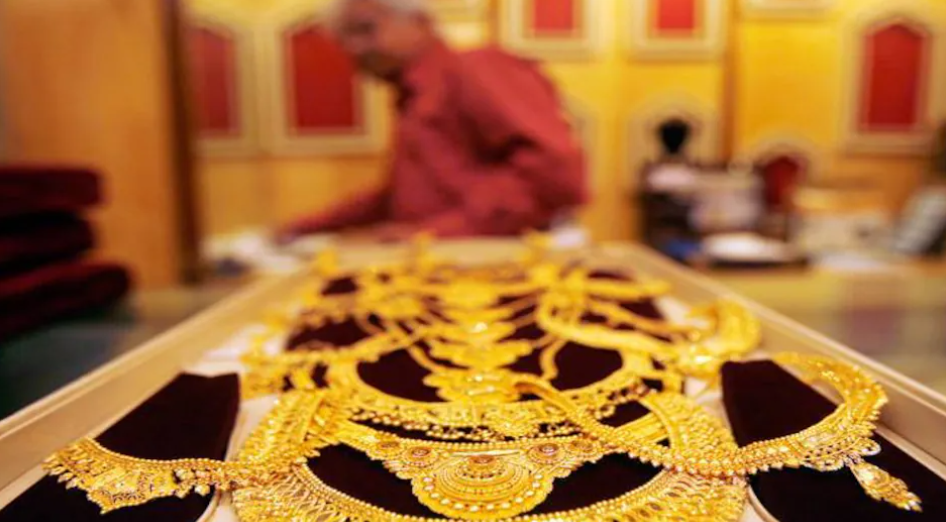
Artisans and laborers in jewelry workshops fear for their livelihoods. Jewelry and gem trades are major sources of work for thousands of small businesses and craftspeople, particularly in cities like Kathmandu. Traders estimate that hundreds of thousands of people depend, directly or indirectly, on this sector. They claim the tax could erode profits, reduce sales, and possibly push many of them out of business.
Likely Effects: Prices, Consumer Behavior, and Market Shifts
If the taxes take effect as proposed, consumers can expect higher final prices for gold jewelry and precious stones. The luxury tax adds directly to purchase costs, and VAT on diamonds or gem-studded items also increases final sale prices. Because many consumers buy gold for investment or as a store of value, not just for ornamentation, tax increases may shift how much people buy, what kind of jewelry or metals they buy, or lead some to prefer informal or parallel markets.
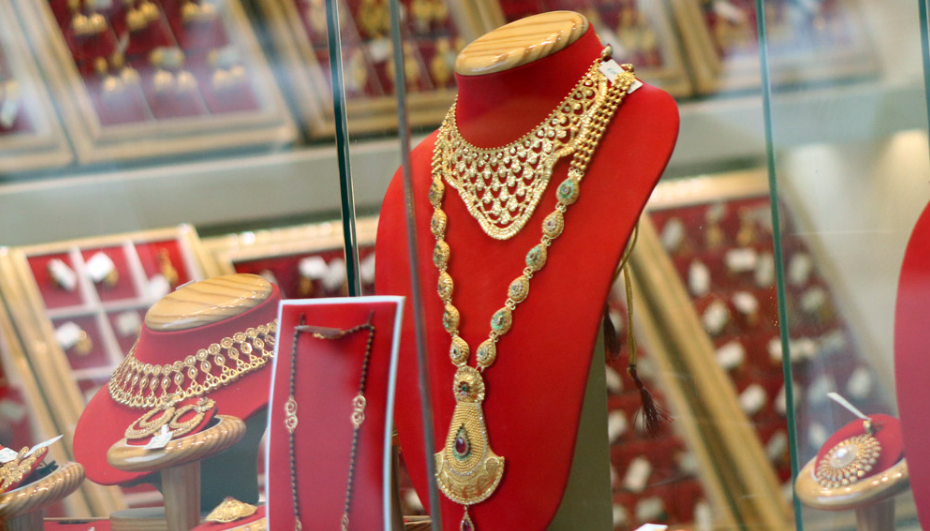
Some traders suggest that higher costs will push more people to buy gold in smaller quantities or from unregulated sources. There’s concern that smuggling and black market trade will rise if people see formal gold as too expensive or heavily taxed. The government will need enforcement and oversight to prevent this.
Risks for Small Businesses and Rural Families
Small jewelry shops and rural artisans stand to suffer more than large retailers. They often operate with smaller margins, less ability to adjust to price changes, and fewer buffers from overhead costs. In some regions, goldsmith’s and jewelers have already begun closing shops in protest.
For families that view gold as investment or cultural asset such as during weddings, funerals, or festivals—rising costs could make customary purchases harder. Because gold plays a role in savings and financial security in many communities, taxes that increase cost can have broader social implications.
What Must the Government Do to Balance Revenue Goals with Fairness
While the government justifies the move for revenue and regulation, many experts and trade groups ask for balance. They urge government to phase in the tax changes gradually, allow exemptions or reduced rates for small artisans, clearly define where and how tax will be applied.
Some also expect government to invest in regulatory infrastructure: labs for testing authenticity, documentation systems, audits of large transactions, border controls to limit smuggling, and public awareness campaigns so consumers understand why costs may rise. Without such supports, the risk is that tax policy can backfire erosion of business, loss of revenue from informal downturns, and political unrest.


