
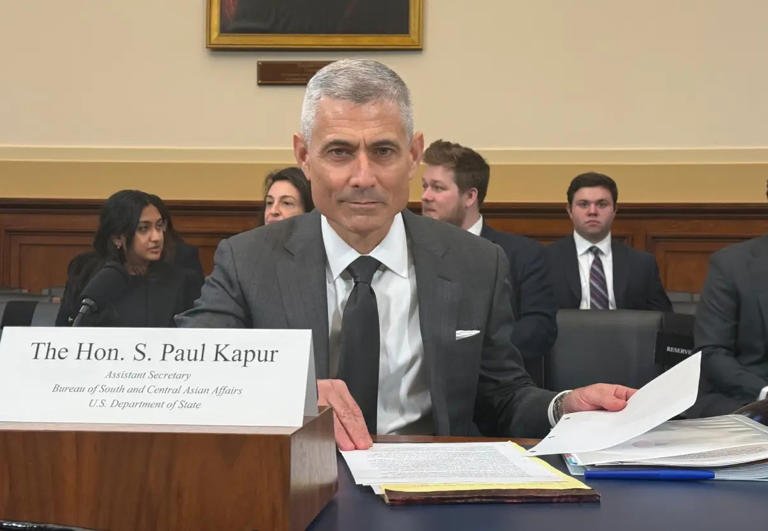
The United States has intensified diplomatic engagement with Nepal ahead of the 2027 general elections and 2026 local polls, repeatedly emphasizing the need for “regional balance” in Kathmandu’s foreign policy. During a January 2026 visit by US Assistant Secretary of State for South and Central Asian Affairs Donald Lu, Washington publicly urged Nepal to maintain “strategic autonomy” while avoiding over-dependence on any single neighbor or power widely interpreted as a reference to China’s growing infrastructure and political influence through the Belt and Road Initiative.
US officials highlighted concerns over Chinese-funded projects (hydropower, roads, airports) that critics say create debt vulnerabilities and strategic leverage. At the same time, Washington reaffirmed support for Nepal’s sovereignty, democratic institutions, and economic development, pledging continued aid through USAID and Millennium Challenge Corporation programs. The message was clear: the US wants Nepal to remain non-aligned but tilted toward democratic partners rather than authoritarian ones.
The remarks have stirred debate inside Nepal. Ruling coalition leaders welcomed the reaffirmation of US partnership, while opposition figures and pro-China voices accused Washington of interference and attempting to drag Nepal into a new Cold War dynamic. Prime Minister KP Sharma Oli reiterated Nepal’s long-standing non-aligned policy, stating Kathmandu will “accept cooperation from all friendly countries without compromising sovereignty.”
With elections approaching, the “regional balance” theme is likely to feature prominently in campaign rhetoric, foreign aid negotiations, and infrastructure bidding contests between Chinese, Indian, and Western-backed firms.


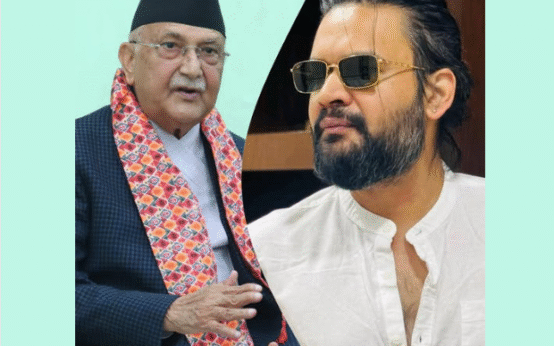 Kathmandu Mayor Balen Rejects KP Oli Republic Day Invite
 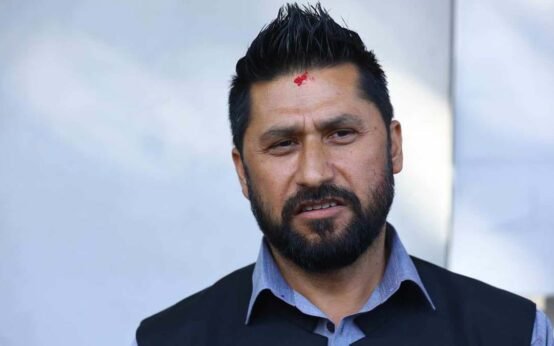 Rabi Lamichhane Released on Bail, But Legal Battles Continue