
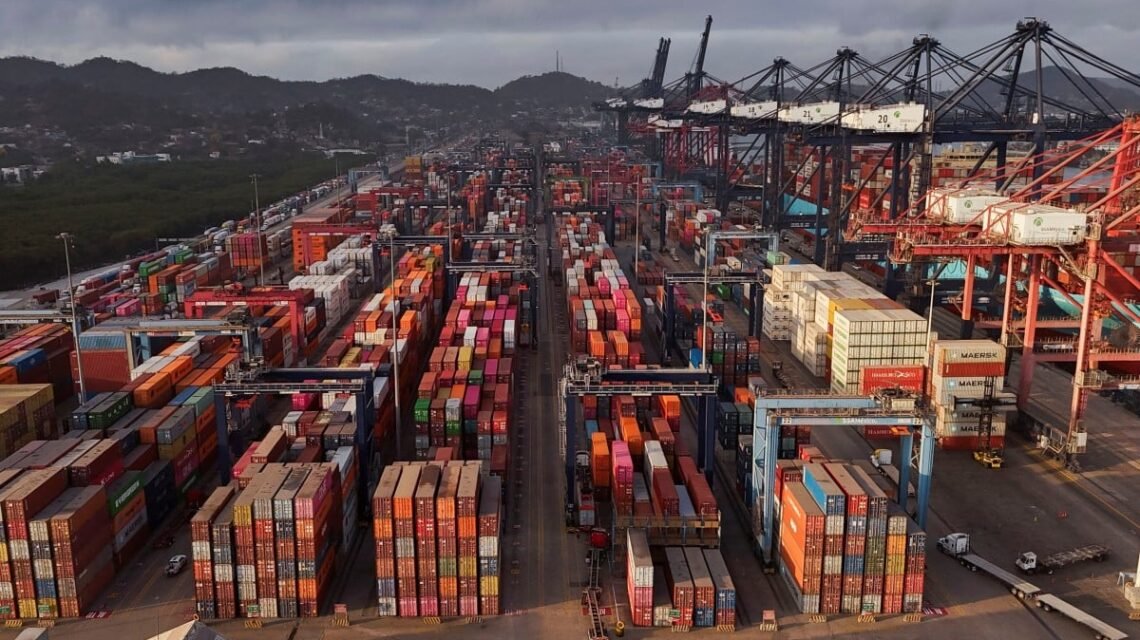
Mexico’s decision to impose a 50% tariff Tariff Impact on certain imports has sent shockwaves through global supply chains, effectively shutting down Asia’s key trade bypass to North America. The move marks a major shift in regional trade dynamics and threatens business models built around nearshoring.
Tariff Move Targets Trade Rerouting
Mexico introduced the steep tariff to curb the practice of Asian manufacturers routing goods through Mexico to avoid higher US duties. As a result, companies that relied on Mexico as a gateway to the US market now face sharply higher costs.
Moreover, the decision aligns with Mexico’s efforts to protect domestic industries and respond to pressure from North American trade partners.
Asian Manufacturers Feel Immediate Impact
Asian exporters, particularly from China and Southeast Asia, had increasingly used Mexico as a production and assembly hub. However, the new tariff has disrupted these operations almost overnight.
Consequently, several firms are reassessing logistics strategies, investment plans, and production timelines tied to North American markets.
Nearshoring Strategy Takes a Hit
In recent years, Mexico benefited from nearshoring as companies sought alternatives to direct exports amid US-China trade tensions. Therefore, the tariff move challenges the assumption that Mexico offers a friction-free route into the US.
Analysts warn that prolonged restrictions could slow foreign investment and complicate supply chain diversification efforts.
The tariff decision also carries broader implications for global trade flows. It may push companies to explore other routes or renegotiate trade arrangements, increasing costs across industries such as electronics, automotive parts, and consumer goods.
At the same time, the move reinforces the growing trend of tighter trade enforcement worldwide.


 What the U.S. imports from Mexico, Canada and China