

South Korea’s M2-to-GDP ratio stands at roughly twice that of the United States in early 2026, renewing intense debate over the country’s monetary policy, financial stability, and long-term economic risks. According to the latest Bank of Korea and Federal Reserve data, Korea’s broad money supply has reached approximately 2.1–2.2 times GDP, while the US ratio hovers around 0.9–1.0. This wide gap among the highest in the OECD stems from Korea’s historically loose monetary stance, rapid credit expansion during the pandemic, and sustained low interest rates that fueled household debt and real-estate borrowing.
Critics, including some economists and opposition lawmakers, warn that the elevated M2-to-GDP ratio signals excessive liquidity, asset bubbles, and vulnerability to sudden shocks. They point to Korea’s household debt-to-GDP ratio exceeding 100% and argue that prolonged high money supply growth could eventually trigger inflation or a painful deleveraging episode if the Bank of Korea tightens policy too aggressively.
Defenders, including BOK officials and government economists, counter that the high ratio partly reflects Korea’s unique financial structure high savings rates, corporate reliance on bank financing, and a large shadow banking sector rather than pure monetary excess.
The controversy has intensified political discourse ahead of key economic policy debates in 2026, with calls for tighter macroprudential controls, faster household deleveraging, and a reassessment of the BOK’s inflation-targeting framework. The disparity with the US where post-pandemic monetary tightening has significantly reduced the M2-to-GDP ratio keeps the issue in sharp focus.


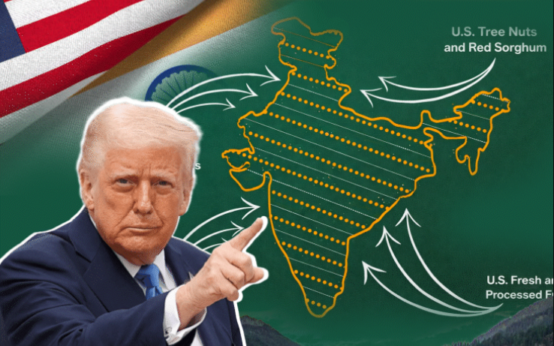 US Removes India Map from Trade Release After Pakistan Protest
  South Korea’s Foreign Exchange Reserves Hover at Low 20% of GDP Amid Vulnerability Concerns
  US Ambassador Nominee’s Iceland State Joke Sparks Backlash
  Iran Warns “We Are Ready for War” as Crackdown on Protests Intensifies
  US Energy Secretary Chris Wright Warns North Korea and Iran After Tanker Seizure
  US Slams China’s Taiwan Drills While Launching Military Operation in Venezuela