
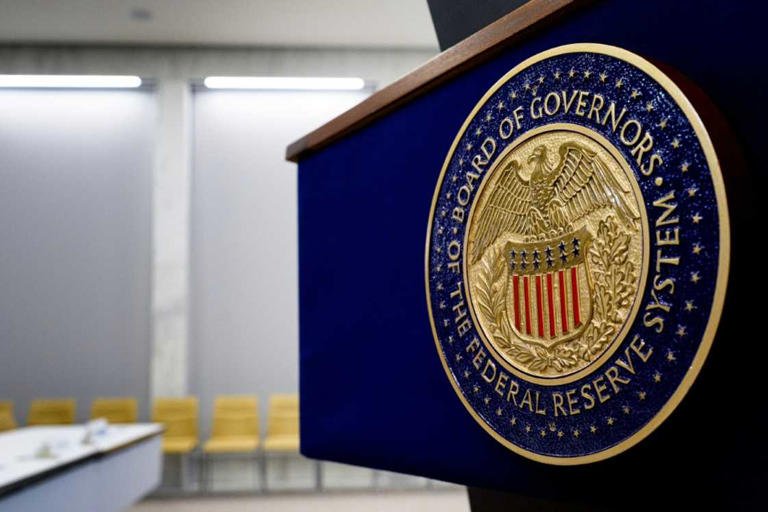
Markets in Kenya have begun to register tremors from global investor unease, as concerns in the United States over job-growth, valuations and interest‐rate direction ripple outward. The backdrop is simple: when the world’s largest economy shows signs of stress, capital flows and sentiment in smaller markets such as Kenya can quickly become fragile.
How US job data and stretched valuations stoke investor nerves
US, recent job-data and corporate earnings are giving investors pause. Private‐sector layoffs have surged and many firms are now signaling hiring freezes or slower growth. At the same time, many tech and growth‐oriented stocks are trading at high valuations, raising questions about sustainability if growth slows or rates rise.

These developments matter for Kenya because global investors compare risk and return across markets. When the US becomes less attractive or more uncertain funds may be pulled out of riskier markets or simply flow more cautiously.
Why Kenya is susceptible to global sentiment shifts
Kenya’s stock market, like many emerging‐market bourses, doesn’t just depend on domestic fundamentals. It also depends on global capital, investor confidence and foreign liquidity. Recent data shows a dramatic drop in US investor holdings of Kenyan equities: American holdings in Kenyan stocks plunged by 87 % over three years. That kind of exit reduces depth in the market and makes it more vulnerable to external shocks.
Kenyan firms compete globally for investment, and when the global backdrop deteriorates , risk premia on emerging markets rise. This increases the cost of capital, weakens sentiment and can lead to outflows or market drops, even if the local economy remains stable.


 US Removes India Map from Trade Release After Pakistan Protest
  US Ambassador Nominee’s Iceland State Joke Sparks Backlash
  Korea’s M2-to-GDP ratio twice US., controversy renewed
  Iran Warns “We Are Ready for War” as Crackdown on Protests Intensifies
  US Energy Secretary Chris Wright Warns North Korea and Iran After Tanker Seizure
  US Slams China’s Taiwan Drills While Launching Military Operation in Venezuela