
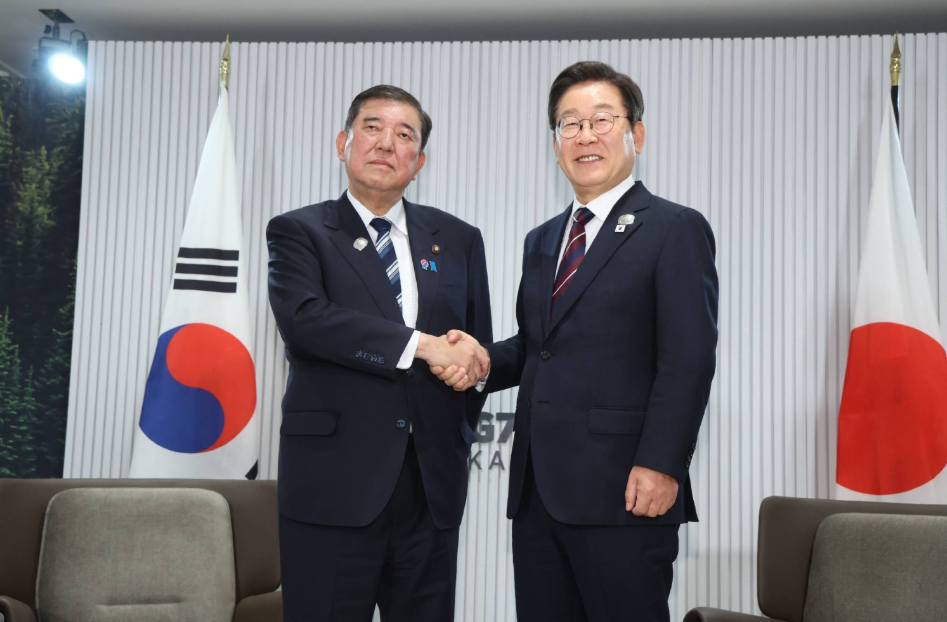
Japan and South Korea have taken a major step toward strengthening ties by expanding their working holiday program. The announcement came during a high-level summit, where both governments agreed that creating opportunities for young people is key to improving long-term bilateral relations. The program allows young people, mostly aged 18 to 30, to live, travel, and take short-term jobs in the partner country.
Opportunities for young people to work and travel abroad
For youth in both Japan and South Korea, the program is more than just a work visa. It offers a chance to explore a new culture, improve language skills, and gain practical work experience. Many young workers use these jobs to support their travel, pay for living costs, and save for future studies or careers.
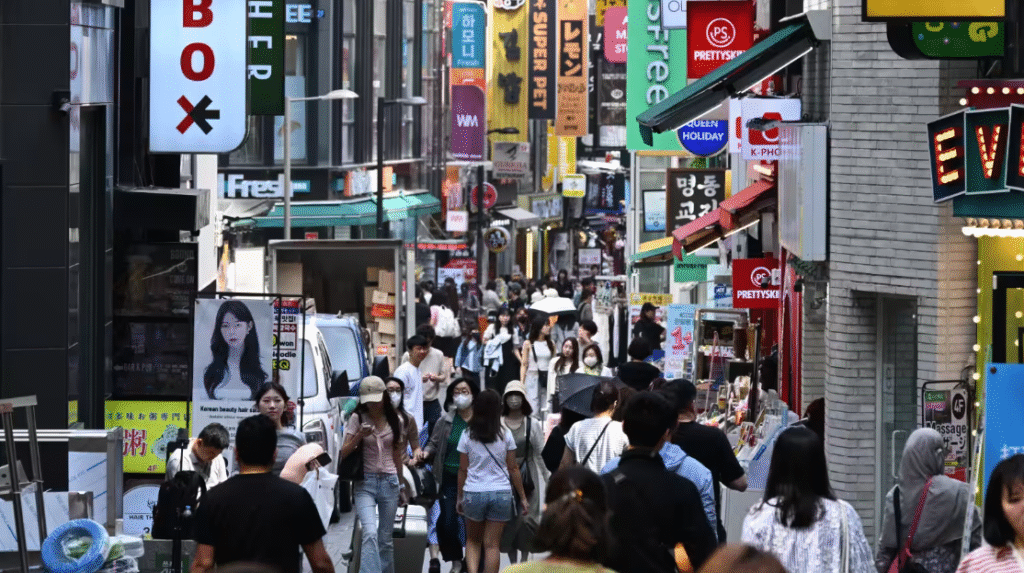
Living abroad also helps participants build confidence and independence while forming friendships that cross borders. Both governments hope that these personal experiences will translate into stronger cultural ties between the two nations.
How the program boosts cultural exchange and understanding
Expanding the Japan-South Korea working holiday program directly supports cultural exchange and mutual understanding. Participants get to experience daily life in another country rather than just visiting as tourists. This helps break down stereotypes and misconceptions, creating more respect and trust between communities.

Language learning is another big advantage. Japanese participants in Korea improve their Korean skills, while Korean participants in Japan gain real-world practice with Japanese. Language centers, local businesses, and universities are expected to benefit from the growing number of exchange participants.
The agreement also reflects broader efforts by both governments to repair and strengthen diplomatic relations. In recent years, ties between Tokyo and Seoul faced challenges over historical disputes and trade tensions.
Economic benefits of Japan-South Korea working holiday visa growth
The expanded program is also expected to bring economic benefits to both countries. Young workers usually take jobs in tourism, food services, and hospitality sectors that depend heavily on seasonal and temporary workers. Their presence can ease labor shortages while bringing fresh energy to local businesses.
At the same time, participants spend money on housing, transport, food, and entertainment. This contributes directly to local economies in cities and towns where they live. The program therefore supports not just cultural ties, but also practical economic growth.
With Asia facing global competition, climate challenges, and new trade patterns, stronger ties between two of the region’s most advanced economies can set an example for others.
Future of the Japan-South Korea youth exchange program
Looking ahead, both governments are considering ways to make the program more attractive. Plans may include increasing the number of available visas, offering career support for returning participants, and expanding opportunities to work in creative industries like technology, education, and digital services.
If managed well, the Japan-South Korea youth exchange program could become one of the most successful bilateral exchange initiatives in Asia. It not only benefits individuals but also lays the foundation for healthier political, cultural, and economic relations between the two neighbors.


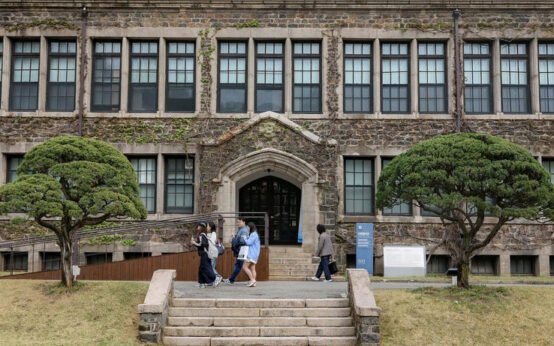 South Korea pledges $10M annually to lure elite global scientists
  Japan seizes Chinese fishing vessel in first incident since 2022
 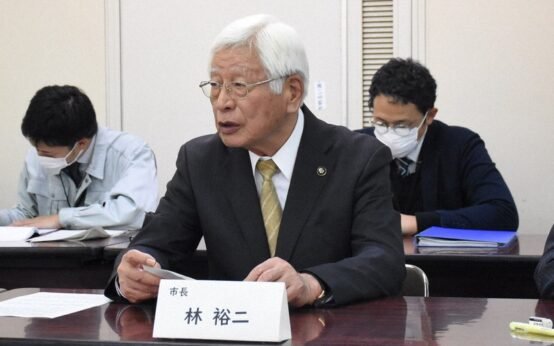 Foreigner condo plan in Japan ignites social media uproar, complaints to local gov’ts
  South Korea’s Foreign Exchange Reserves Hover at Low 20% of GDP Amid Vulnerability Concerns
  South Korea’s 1.9% growth trails US again
  South Korea’s National Security Adviser Addresses US Concerns Over Revised Network Act