
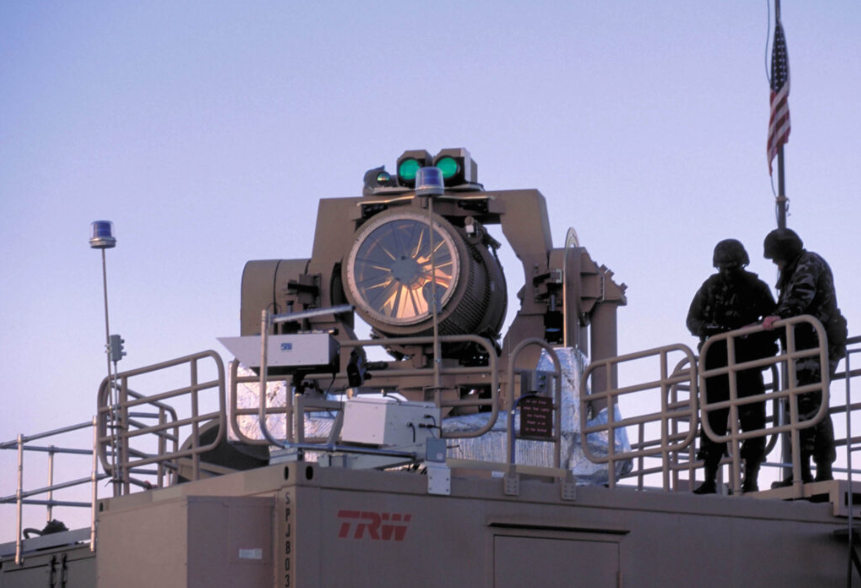
Israel’s defense establishment recently announced that its high-power laser system, named Iron Beam Hebrew: Or Eitan, Eitan’s Light, has passed final tests and will become operational by the end of 2025. Developed by Rafael Advanced Defense Systems in cooperation with Elbit Systems, Israel’s Ministry of Defense, the Directorate of Defense Research & Development.
Unlike systems that use explosive projectiles, Iron Beam uses a high-energy laser beam. Once its detection and targeting systems spot a projectile, the laser fires at light speed to neutralize it.
How Iron Beam Fits Into Israel’s Multi-Layered Air Defense Strategy
Israel already maintains several missile defense systems: Iron Dome for short-range rockets, David’s Sling for medium-range ballistic threats, and the Arrow systems for longer-range missiles. Iron Beam does not replace any of these; instead, it adds a new layer specifically for smaller, cheaper aerial threats and those between traditional missile interceptors’ roles.
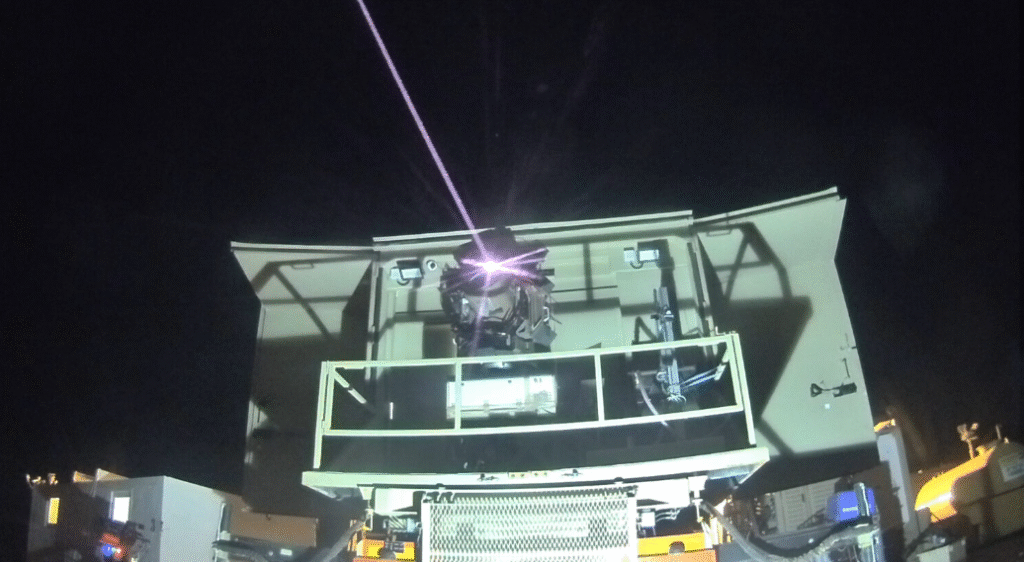
Moreover, Iron Beam can respond more quickly to very fast, low-altitude threats like drones. Since drones are small, sometimes harder to detect or track, and often cheap to produce and use, having a system that can shoot them down more cheaply and rapidly changes the strategic equation. The laser system also reduces the need for logistic stockpiles of interceptor missiles for smaller threats, easing logistical burden
Tests, Challenges, and What the Final Trials Revealed
In the recent weeks of testing in southern Israel, officials report that Iron Beam showed maturity in its design. The trials included many different kinds of incoming rounds, from mortar bombs and rockets to UAVs. The system was tested in varying atmospheric conditions, and was assessed on its ability to detect, track and destroy threats across a range of operational scenarios. These tests were designed to simulate realistic battlefield conditions.

However, the system is not without limitations. The laser’s effectiveness drops under adverse weather or low visibility conditions heavy rain, fog, dust, etc., since atmospheric interference can scatter or weaken the laser beam. Also, ensuring a steady, high-power energy supply and cooling, maintaining optics, and ensuring the targeting remains reliable in all lighting and environmental conditions are engineering challenges.
Cost Implications and Strategic Advantages of Laser-Based Interceptors
One of the strongest selling points of Iron Beam is its low operational cost per shot. While interceptor missiles can cost tens of thousands of dollars or more per shot, the laser system’s cost is many times lower, sometimes reported as a few dollars per interception mostly electricity and wear on components rather than expensive missile hardware.
Because of this cost efficiency, using Iron Beam for smaller threats helps preserve stocks of more expensive missile interceptors for bigger threats. It also means that for large volumes of small threats like mass drone swarms or frequent small-rocket attacks, Israel can respond without exhausting its supply of missiles. Strategic planners believe this will help Israel sustain its defense posture under sustained threat conditions.
What Operational Deployment Means: Timeline, Naming, and Symbolic Impacts
The final decision to rename the system from Magen Or Shield of Light to Eitan “Eitan’s Light” honors Captain Eitan Oster, a soldier who fell in combat. Such naming highlights how the system is not just a technical project but a symbol of national resilience and innovation.
Israeli Defense Ministry plans to fully integrate Iron Beam into the Israel Defense Forces by the end of 2025. This integration will deploy Iron Beam operationally, embedding it into air-defense batteries across threat zones and positioning it alongside other defensive layers.


 Pakistan’s Prime Minister Strongly Criticizes Israel’s Gaza Decision