
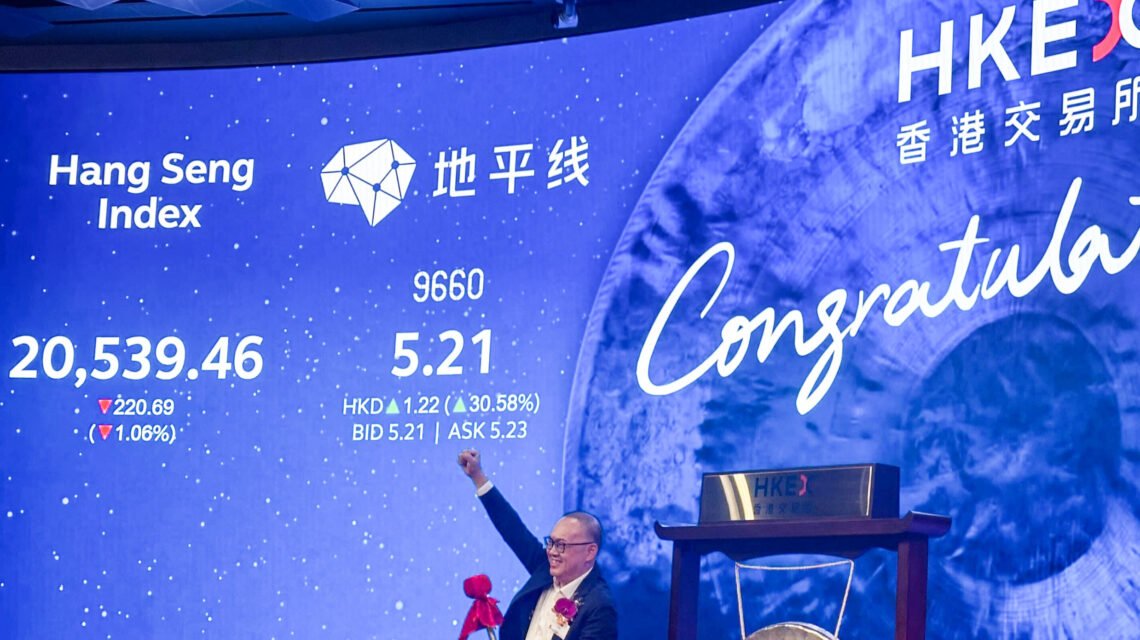
Hong Kong has once again become the leading choice for Chinese startups planning to raise funds through initial public offerings . After a period of slowdown, the city is attracting more companies that once preferred New York as their launchpad. With investor confidence gradually returning to Asia, Hong Kong is stepping ahead of the United States in becoming the go-to venue for Chinese firms.
Why Chinese firms are choosing Hong Kong over New York
Over the past decade, many Chinese companies rushed to list in the US to gain access to global investors and deep capital markets. However, rising geopolitical tensions, strict auditing rules, and regulatory crackdowns have made US listings more complicated. Several firms faced challenges related to data security and compliance, which discouraged others from following the same path.
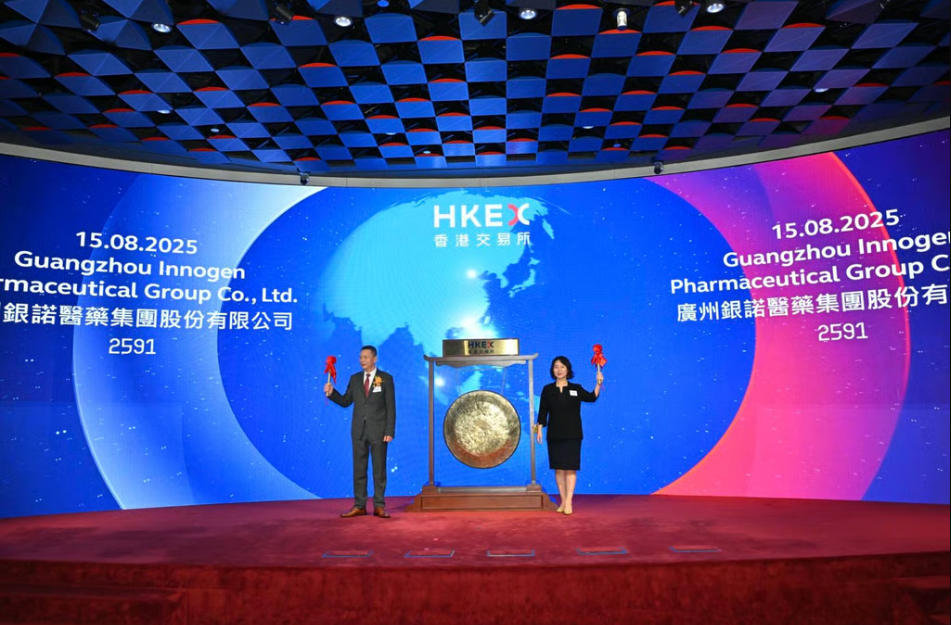
Hong Kong, in contrast, offers a middle ground. It provides international visibility while still being closer to home. For startups, especially those in the tech and consumer sectors, Hong Kong offers easier access to Asian investors who understand their business models and growth potential.
Strong comeback of Hong Kong’s IPO market
In the last few years, Hong Kong’s IPO market slowed down due to global economic uncertainties and the pandemic. But 2024 has marked a turning point. More companies are now lining up to list in the city, and analysts believe the momentum will continue in the coming quarters.
Funds that earlier flowed to the US are now shifting back to Asia. Hong Kong is benefiting from this change, as investors look for opportunities in fast-growing Chinese startups. The market’s recovery also signals growing confidence in Asia’s economic resilience.
Benefits for Chinese startups business policies
Listing in Hong Kong brings several advantages. Companies gain quicker access to regional investors and avoid the political risks of US listings. They also reduce currency risks by operating closer to their base markets. Additionally, Hong Kong’s financial infrastructure is highly developed, providing reliable support for IPOs.
For many startups, reputation matters. A successful IPO in Hong Kong can build credibility, attract global partnerships, and increase chances of expanding across Asia.
Despite the positive momentum, challenges continue to exist. Investor appetite is not yet back to pre-pandemic levels, and market volatility can affect valuations. Competition among startups is also rising, and only firms with strong fundamentals are likely to succeed in raising significant capital.
Moreover, while Hong Kong provides a friendlier environment compared to the US, it still requires firms to meet strict disclosure standards and regulatory checks. Startups must prepare carefully before entering the market.
Is Hong Kong Market Growing in Future?
Hong Kong’s growing importance as an IPO hub reflects larger changes in global finance. As tensions between the US and China continue, Asian financial centers are becoming more relevant. Hong Kong is positioning itself not just as an alternative, but as the first choice for many firms.
If this trend continues, Hong Kong could solidify its status as Asia’s financial gateway. For Chinese startups, this means better fundraising opportunities, stronger investor backing, and a platform to grow beyond domestic markets.
In recent years, Chinese startups and established firms have faced mounting hurdles when listing in the US. Washington introduced tighter audit requirements and greater scrutiny of Chinese firms, making cross-border listings more difficult. At the same time, worsening diplomatic relations added uncertainty for both investors and businesses.


 Gulf states lobby US against Iran military strike
  US to host officials from Denmark and Greenland as Trump renews takeover threats
  Canadians aren’t relenting: US travel boycott holds strong
  North Korea Revives Drone Claims, Rejects Seoul’s Outreach Efforts
  Hong Kong Primary Home Sales Set for Decade High in 2026, Driven by Demand for Small Flats
  China Grid Equipment Maker Sieyuan Eyes Hong Kong Listing After 665% Share Surge