

Saudi Arabia, the UAE, Qatar, and other Gulf Cooperation Council members are actively lobbying the United States to avoid direct military strikes on Iran in early 2026. Gulf leaders fear that any large-scale US action—following recent escalations including the capture of Venezuela’s Nicolás Maduro and ongoing proxy conflicts—could ignite a wider regional war, severely disrupt oil production and shipping through the Strait of Hormuz, spike global energy prices, and destabilize their own economies and security.
Despite long-standing rivalry with Tehran and concerns over Iran’s nuclear program, ballistic missiles, and support for groups like the Houthis and Hezbollah, GCC capitals prioritize de-escalation. They have urged Washington to rely on diplomacy, sanctions, and containment rather than kinetic strikes, warning that conflict would threaten their own stability, attract retaliatory attacks, and harm critical energy infrastructure.
The lobbying effort reflects a pragmatic shift: while Gulf states have aligned closely with US policy against Iran in recent years, they now see the risks of open war outweighing the benefits, especially amid fragile post-COVID economic recovery and domestic pressures. Saudi Arabia and the UAE, in particular, have quietly signaled to US officials that a restrained approach better serves shared interests in regional stability and energy market predictability.
This stance comes at a sensitive moment as the Trump administration weighs next steps in its “maximum pressure” campaign against Iran, with Gulf monarchies playing a delicate balancing role between alliance commitments and self-preservation.


 US to host officials from Denmark and Greenland as Trump renews takeover threats
 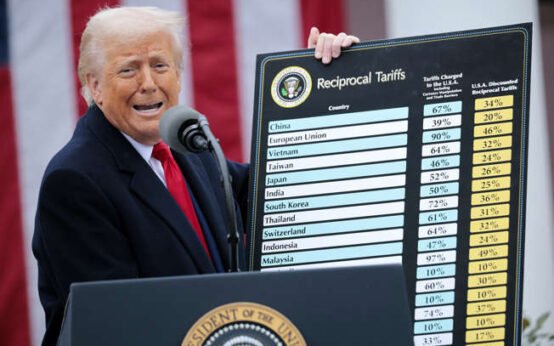 Canadians aren’t relenting: US travel boycott holds strong
  India Wary as US Backs Pakistan With F-16 Upgrades and Mineral Projects
 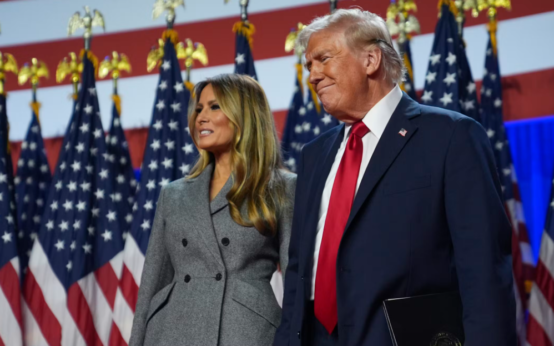 Growing discontent in the U.S. as many Americans turn against Trump’s presidency
  Chinese gaming mogul files lawsuit to reclaim US $42 M from ex explosive counters and shocking claims follow
  Major investors warn of “AI bubble” as Nvidia comes under pressure