
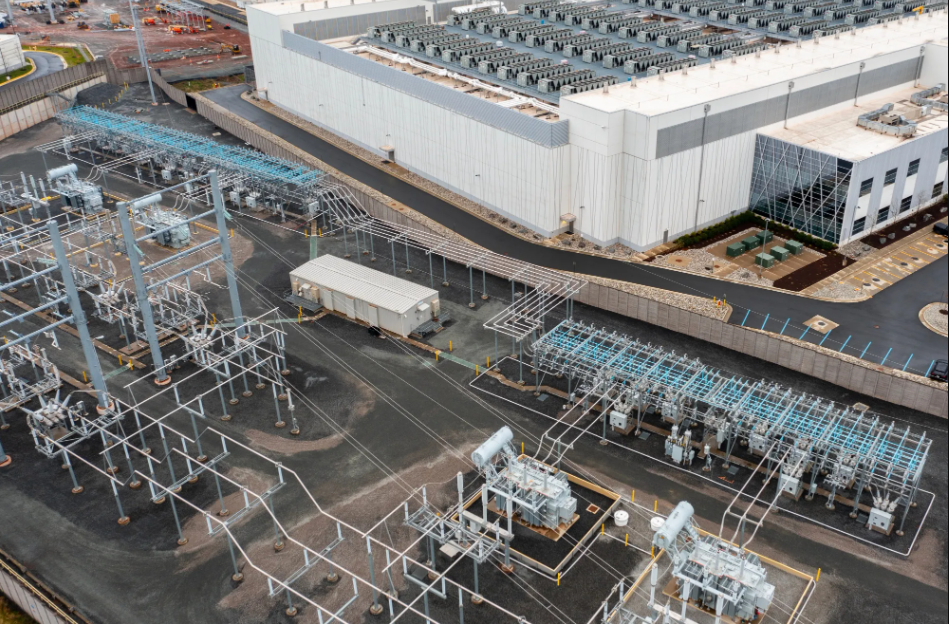
Worldwide, data-center facilities the backbone of cloud services, streaming, AI and internet infrastructure currently consume a sizeable share of global electricity. According to recent estimates, they use roughly 415 terawatt-hours per year, which amounts to about 1.5 % of global electricity demand.
This energy demand soared from around 194 TWh in 2010, reflecting the rapid expansion of digital services over the past decade and a half.
Why Demand Is Set to Grow Dramatically by 2030
Analysts warn the growth isn’t slowing it’s accelerating. Data-centre electricity demand is projected to nearly double by 2030, reaching around 945 TWh annually according to leading forecasts.
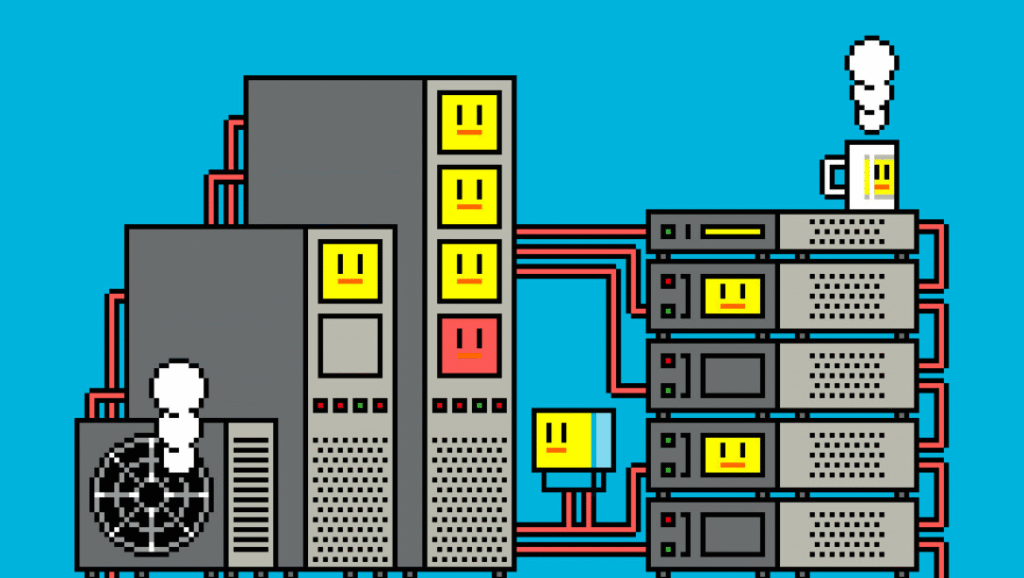
A major driver is the rising use of AI-optimized infrastructure. As AI workloads become more common, power-hungry servers and GPUs demand heavier electrical loads pushing overall consumption upward.
In some regions, this surge threatens to reshape entire power grids. For example, in countries with concentrated data-center development, electricity demand is beginning to spike, putting pressure on energy supply, infrastructure and environmental sustainability.
The Environmental & Infrastructure Implications of Data-Center Energy Use
Because much of the world’s electricity still relies on fossil-fuel generation, rising data-center demand tends to drive higher carbon emissions. Experts warn that if the trend continues without major improvements in efficiency or a shift toward renewables, data centers could become a significant climate and energy burden.
Beyond emissions, the sheer power needs of modern data centers — especially “hyperscale” facilities built for AI workloads can strain local electricity grids. This can lead to increased reliance on backup generators, demand-response loads, and infrastructure upgrades.
Can Data Centers Become More Sustainable? Emerging Trends and Challenges
To avoid a worsening energy crisis, stakeholders are looking at several strategies: designing more energy-efficient servers; optimizing cooling and power-usage effectiveness; integrating renewable energy and on-site green power generation; and adopting smarter workload scheduling to reduce peak loads and flatten demand curves.
Still, the pace of AI and cloud-driven growth remains a serious challenge. Unless energy infrastructure, policy, and sustainability practices keep up, data centers risk becoming one of the world’s major energy pressure points with consequences for climate, energy equity, and grid stability.


