
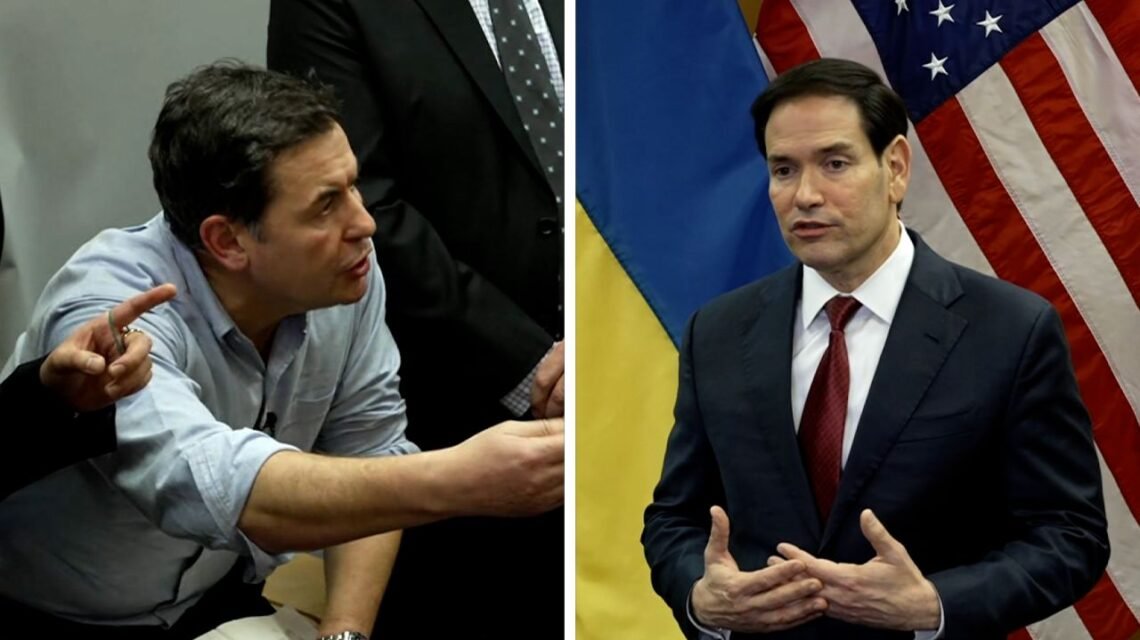
Germany’s Foreign Minister Johann Wadephul hailed recent Geneva talks between the United States and Ukraine as a “decisive success” for Europe, after key European concerns were addressed in a revised diplomatic proposal.
In the original 28-point plan advanced by Washington, elements relating to Europe and NATO membership had sparked strong objections in Berlin and Brussels.
Why Europe’s Influence Grew Germany’s View
He insisted that Europe has to remain deeply involved in shaping any peace framework — a message clearly directed at both Washington and Kyiv.
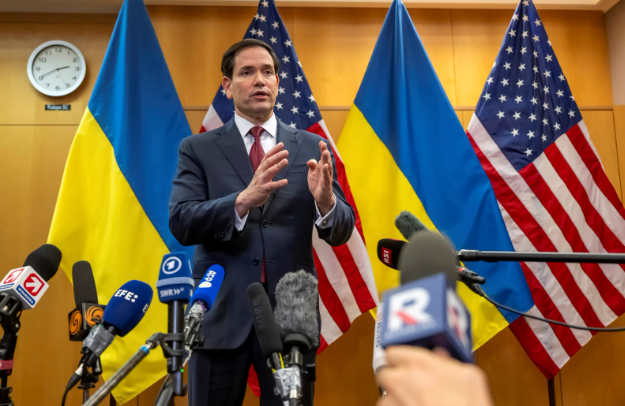
Moreover, by removing references to NATO and, in addition, limiting European-specific clauses, Germany argues that the revised plan now better respects European autonomy. Consequently, in Wadephul’s words, this change represents “a decisive success that we achieved yesterday.
Broader Implications for Peace and European Security
If Germany’s framing holds, the Geneva talks could mark a turning point: a moment when Europe reclaimed substantial influence over a peace process initially perceived as U.S.-led. Wadephul’s endorsement sends a strong signal that Berlin expects to be a principal player, not just a bystander, in setting Ukraine’s long-term security terms.
At the same time, he and other German officials have reiterated that Ukraine’s sovereignty and European security guarantees must remain central to any final agreement — even as the U.S. pushes for a “refined” peace plan. \


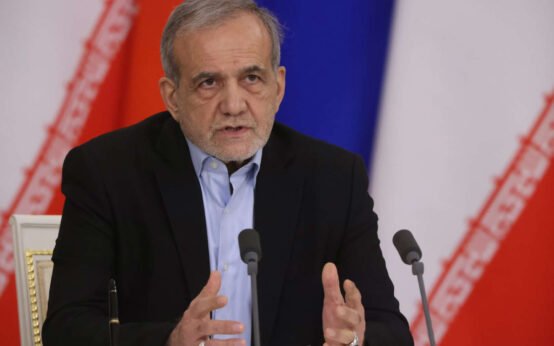 Iranian President Declares Country in ‘Full-Scale War’ with US, Israel, and Europe
 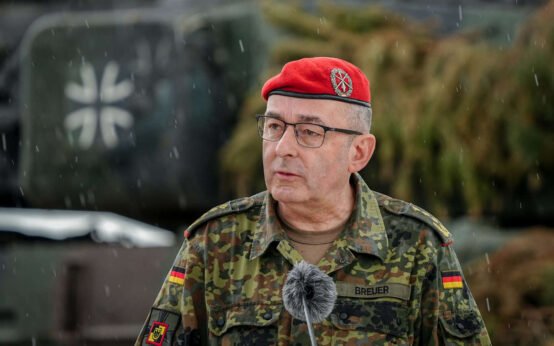 Germany Issues Stark Warning Risk of Wider War with Russia Grows in 2025
  South Korea Moves Into Policy Spaces as Europe Retreats
  Ukraine Says Europe Cannot Replace US in Security Guarantees, Zelenskyy Warns
  Hidden Unemployment in Europe Which Countries Face the Most Labor Market Slack
  Meloni Urges Europe to Strengthen Defence as US Signals Strategic Pullback