
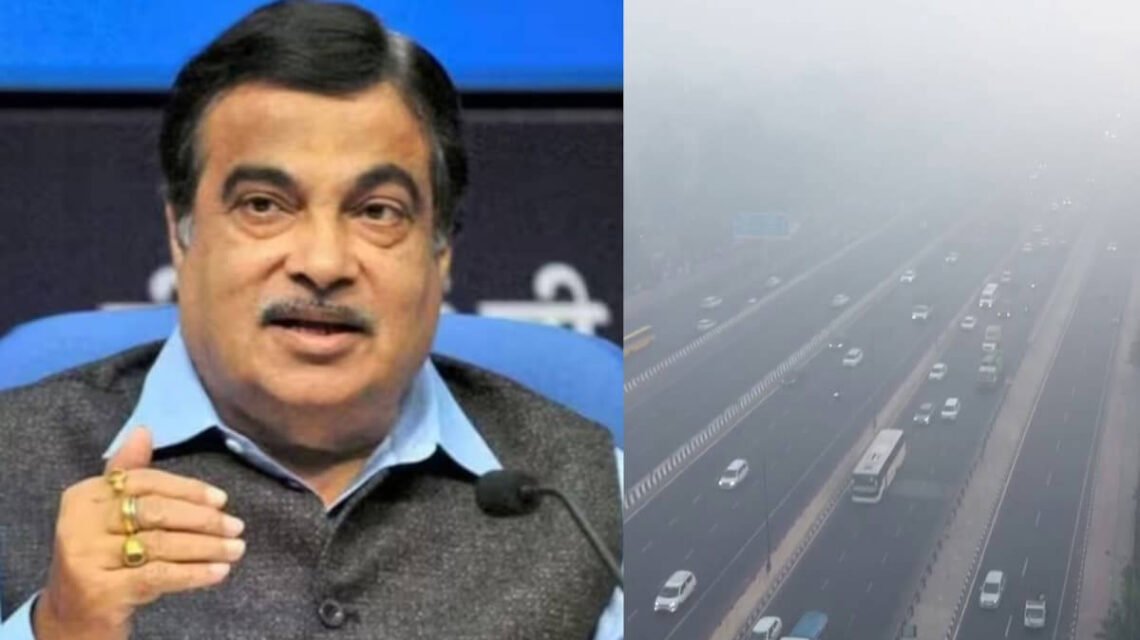
Union Road Transport and Highways Minister Nitin Gadkari has acknowledged that vehicles contribute nearly 40% of India’s air pollution. His admission has renewed concerns about enforcement failures, especially after reports revealed widespread violations of the “no PUC, no fuel” rule.
Vehicles Play a Major Role in Urban Pollution
Speaking during a public discussion, Gadkari highlighted the growing impact of vehicular emissions on air quality. He stressed that rapid urbanization and rising vehicle ownership have worsened pollution levels in major cities.
Moreover, he pointed out that older vehicles and poor emission compliance remain key contributors. As a result, transport-related pollution continues to undermine public health and environmental goals.
No-PUC, No-Fuel Rule Under Scrutiny
The government introduced the “no Pollution Under Control (PUC), no fuel” rule to curb emissions. Under this policy, fuel stations should deny fuel to vehicles without valid PUC certificates.
However, investigations and on-ground reports suggest weak enforcement. In many areas, fuel stations continue to sell fuel without checking emission compliance. Consequently, the rule has failed to deliver its intended impact.
Enforcement Gaps Exposed
Despite clear guidelines, monitoring remains inconsistent. Fuel station operators often ignore checks due to lack of supervision or fear of customer backlash. Additionally, digital integration between PUC databases and fuel pumps remains incomplete in several states.
Because of these gaps, highly polluting vehicles continue operating unchecked.
Government Push for Cleaner Alternatives
Alongside enforcement challenges, Gadkari emphasized the government’s push toward cleaner mobility. Electric vehicles, ethanol blending, biofuels, and hydrogen-based transport form key pillars of India’s long-term strategy.
Furthermore, the minister urged faster adoption of green technologies to reduce dependence on fossil fuels and cut emissions significantly.


