
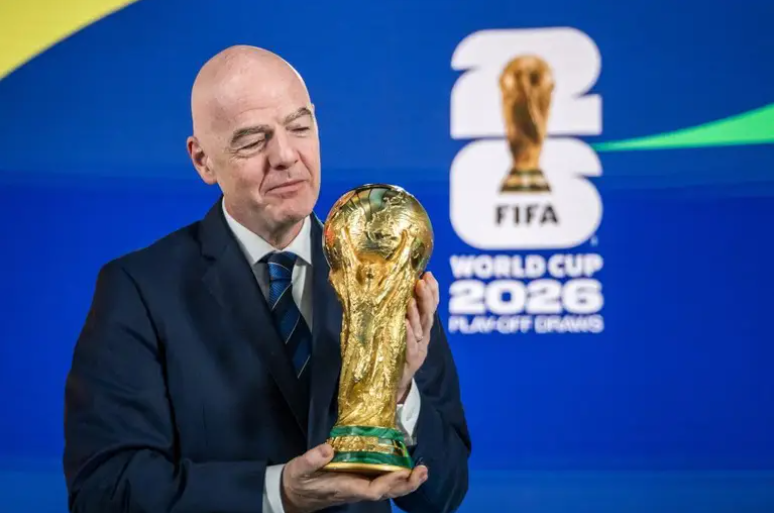
As preparations for the 2026 World Cup advance, FIFA has formally excluded three national teams from the tournament: Russia, Congo and Pakistan. The move reflects a mix of geopolitical sanctions and governance-related violations.
Why those countries are banned in 2026 world cup?
Russia remains barred because of ongoing geopolitical sanctions since its invasion of Ukraine, which led both FIFA and its European counterpart to suspend all Russian teams from international competitions.
FIFA excluded Congo for “unlawful third-party interference” in managing its football federation, a serious breach of its governance rules.
FIFA and its regional body suspended Pakistan’s football federation for refusing to adopt a revised constitution that ensures democratic elections within the association.
Implications and context
Moreover, with the tournament expanding to 48 teams and co-hosted by the United States, Canada, and Mexico, the exclusion of three countries therefore underscores FIFA’s increasing willingness to not only enforce non-sporting criteria but also highlight issues of governance and geopolitical alignment.
For supporters of those nations, the ban is a blow — it means no qualifiers, no place in the draw, and no participation even if they had otherwise secured a spot. For the World Cup at large, it sends a message that compliance with governance standards and global norms remains a requirement for international football.


 FIFA leaves Moroccan referees off U-17 Women’s World Cup
  Global Sport, Local Tensions Saudi Arabia’s World Cup 2034