
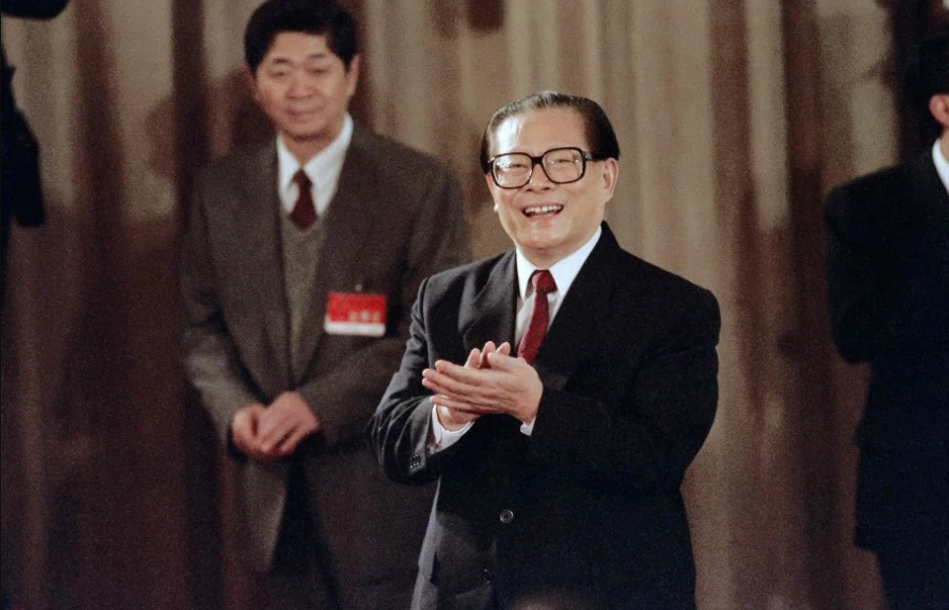
In a pivotal moment of modern Chinese history, Deng Xiaoping the de facto leader behind China’s reform era — appointed Jiang Zemin as General Secretary of the Communist Party of China (CPC) in the wake of the upheaval triggered by the 1989 protests.
From Shanghai mayor to national leader
At that time, Jiang was serving as the mayor and party chief of Shanghai, and was already a member of the Politburo. Following the dismissal of the previously‑elected leadership, Deng turned to Jiang — seen as a compromise figure acceptable to both reformists and conservative factions — to restore stability.
His elevation came during a moment of intense internal crisis for China. According to official records, the CPC’s Fourth Plenary Session of its 13th Central Committee formally elected Jiang as General Secretary in 1989. In a parallel move, Deng also arranged for Jiang to take over leadership of the military wing of the Party — a dual concentration of power that underscored the urgency of re‑establishing control.
A moment of transformation
Jiang’s elevation under Deng wasn’t just a normal succession — it emerged from a period of uncertainty and structural upheaval. His appointment helped steer China back onto a stable trajectory, setting the stage for decades of global economic integration, market reforms, and geopolitical rise.


