
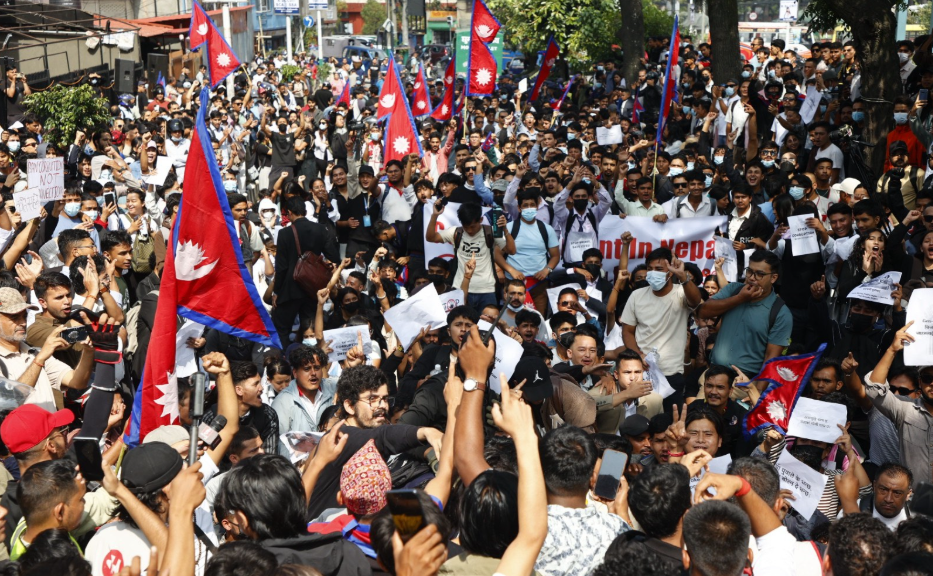
Recent report by Cyabra, a digital intelligence firm, on Nepal’s Gen Z-led protests has stirred significant debate in Kathmandu’s political and media circles. The company’s claims about the influence of disinformation and coordinated online activity during the youth-driven demonstrations have come under scrutiny from analysts, activists, and government officials, who question both the methodology and the motives behind the findings.
Cyabra’s Report Claims Online Manipulation Behind Nepal’s Gen Z Protests
Cyabra’s report, released earlier this month, alleged that a substantial portion of online content promoting the youth protests in Nepal was driven by coordinated digital campaigns, possibly influenced by foreign entities. The protests, largely mobilized by Nepal’s young population, focused on transparency, job opportunities, and government accountability themes that resonated deeply with Gen Z citizens across the country.
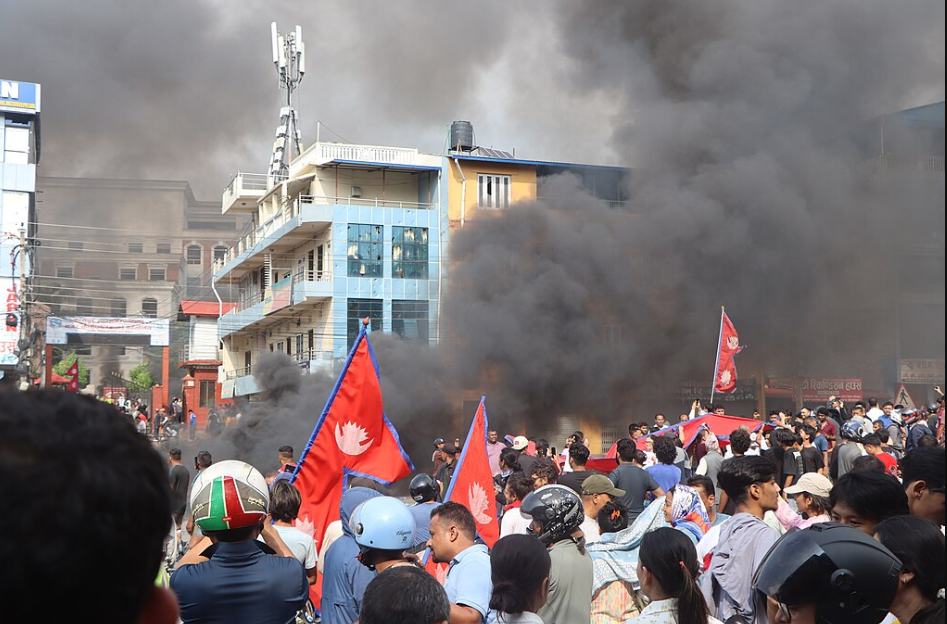
The report suggested that inauthentic online behavior and targeted disinformation may have amplified public frustration, contributing to the intensity of the demonstrations. It also hinted at potential cross-border narratives that could have shaped public sentiment through social media trends and viral content.
Critics Question Data Accuracy and Intent Behind Cyabra’s Findings
Nepali digital rights groups and political observers have challenged the report, arguing that Cyabra’s conclusions lack transparency and context. Many critics claim that the study paints a misleading picture of genuine youth activism as digitally manipulated unrest.
“Labeling the voices of Nepal’s youth as products of disinformation undermines their legitimate calls for change,” said one Kathmandu-based analyst. Others have called for independent verification of Cyabra’s data sources and algorithms before accepting the findings as credible.
Social media researchers also questioned how the firm determined the inauthentic nature of online accounts, warning that such classifications could stigmatize organic online mobilization by young people who are simply demanding reform. propaganda, one protest organizer said. This is about young Nepalis who feel ignored by those in power.
Digital Manipulation or Genuine Grassroots Movement?
The debate over the Cyabra report highlights a growing global dilemma how to distinguish authentic social activism from digital interference.
Social media has undoubtedly amplified activism, it also makes movements vulnerable to misinformation and foreign narratives. This dual reality has made it challenging to separate truth from influence, especially in countries navigating political transition and digital expansion.


