
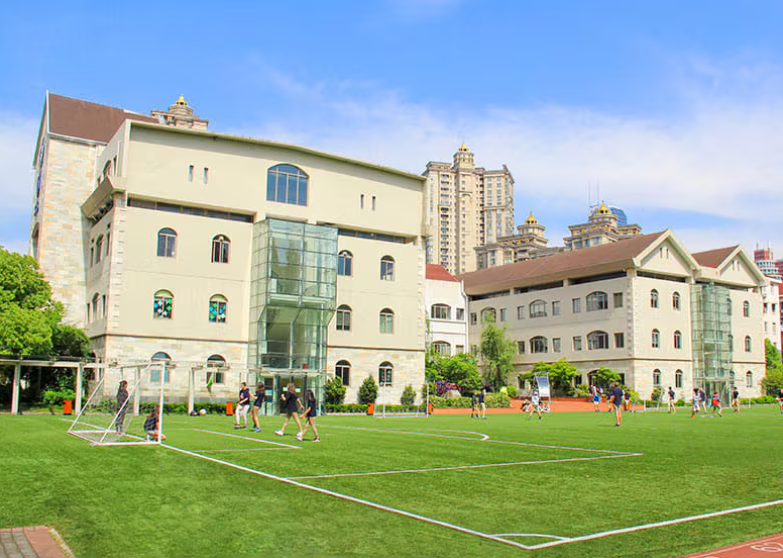
China’s once-thriving network of international schools is facing widespread closures as rising racial tensions and educational policy changes reshape the country’s learning landscape. Recent reports indicate that several private and international institutions catering to foreign and Chinese students alike have been forced to shut down or scale back operations, signaling a major shift in China’s approach to global education.
China’s Education Landscape Under Transformation
For years, international schools in China served as a vital bridge between Western curriculums and local education systems, offering global exposure to Chinese students and providing expatriate families with familiar standards of learning. However, experts say that tightened regulations, a decline in foreign teacher visas, and a surge in nationalism have led to declining enrollment and operational challenges.
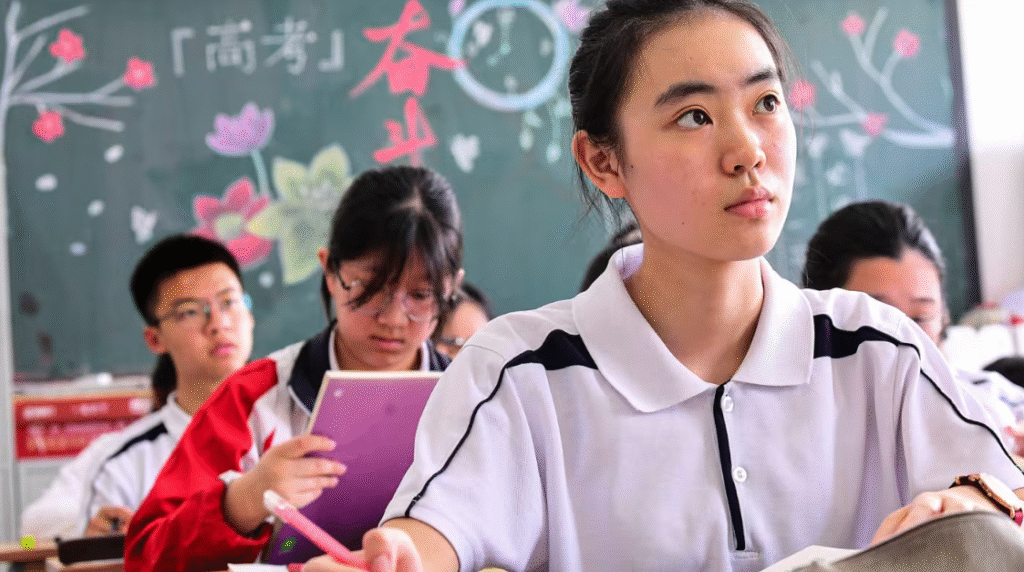
According to education analysts, the closures coincide with China’s broader focus on STEM Science, Technology, Engineering, and Mathematics education part of its national push to strengthen domestic innovation and reduce reliance on Western academic models.
Racial Tensions and Policy Shifts Drive Closures
Recent incidents highlighting racial bias and cultural conflicts within some international schools have further fueled the crisis. Parents and educators say these tensions have contributed to a distrust of foreign-run institutions, especially amid increasing geopolitical friction between China and Western nations.
Government policies now favor patriotic education and curriculum localization, prioritizing Chinese values and ideology. This shift has forced many schools to adapt quickly or close altogether as they struggle to meet new administrative and ideological requirements.
Impact on Students and Global Education Links
The closures have left thousands of students and teachers in limbo, disrupting academic plans and cross-cultural exchange programs. Many parents now face difficult decisions — whether to send their children abroad or shift to domestic schools with limited international exposure.
Educational experts warn that the move could weaken China’s global academic connections, which had flourished over the past two decades. The shift also raises concerns about how young Chinese learners will access diverse worldviews and global citizenship education in the future.


