
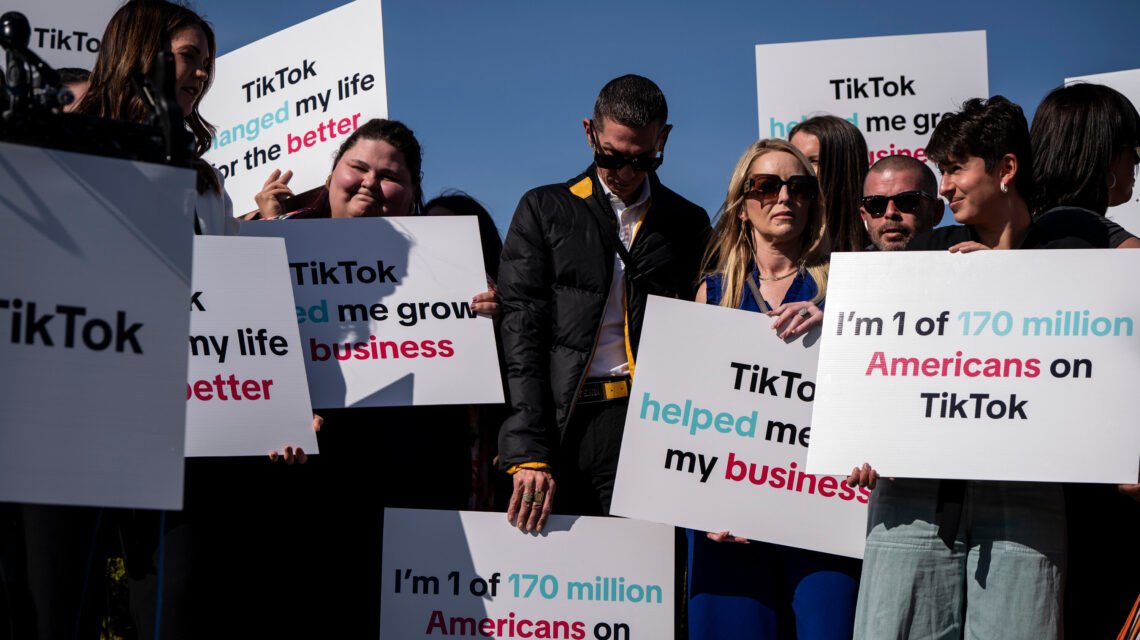
China’s Ministry of Commerce responds cautiously to the recent TikTok US divestiture deal announced in December 2025. ByteDance, TikTok’s parent company, signs binding agreements to transfer control of its US operations to a consortium of American investors, including Oracle. Moreover, this move aims to avert a potential nationwide ban. However, Beijing’s position emphasizes strict compliance with Chinese laws, signaling it’s far from a blanket endorsement.
Beijing’s Official Response: Compliance and Balance Required
On December 25, 2025, Commerce Ministry spokesperson He Yongqian states that the government “hopes” companies reach solutions complying with Chinese laws and regulations while balancing all parties’ interests. This wording indicates acceptance of negotiations but ties approval to legal adherence. Additionally, it echoes past positions where Beijing insists on protecting national interests in tech exports.
Analysts interpret this as deliberate ambiguity. “This is not a green light with no strings attached,” notes Irina Tsukerman of Scarab Rising. She stresses that compliance with Chinese regulations forms the “core condition.”
Key Concerns Algorithm and Export Controls
The deal’s fate hinges on China’s export controls, updated in 2020 to cover recommendation algorithms like TikTok’s. A similar Oracle-Walmart proposal collapsed that year after revisions restricted such technologies. Furthermore, observers highlight that any transfer or licensing of core tech requires explicit government approval.
Tom Nunlist from Trivium China adds that Beijing views details beyond compliance as commercial matters but avoids strong endorsements to retain leverage.


 ByteDance Plans $14 Billion Spend on Nvidia AI Chips in 2026 Amid Surging Demand
 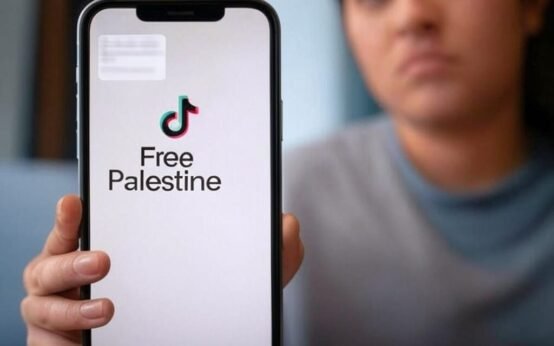 TikTok Faces Backlash for Flagging “Free Palestine” as Hate Speech
 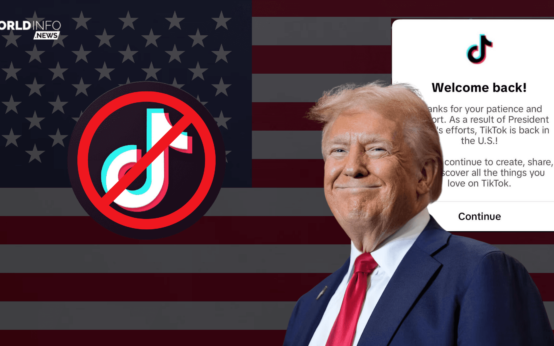 TikTok Ban in the U.S : Trump Lifts Restrictions