
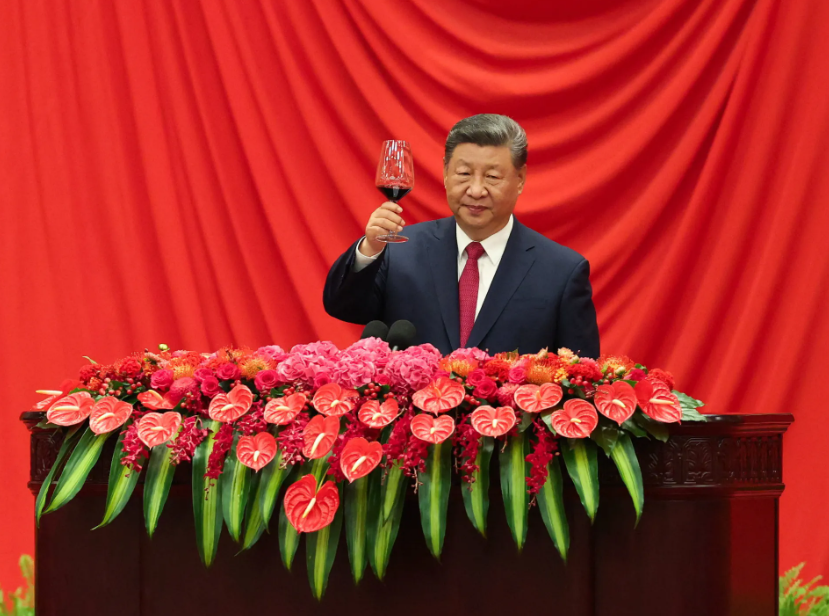
China has recently tightened its grip on the global rare-earth supply chain by imposing sweeping export controls but contrary to some reports, it has not formed a formal “bloc” of 19 nations to counter the U.S. Rather, Beijing is leveraging its dominant position to reinforce strategic influence, using export policy as a geopolitical tool.
Why China Is Tightening Rare-Earth Export Rules Rather Than Building an Alliance
In October 2025, China announced stricter controls on the export of several rare-earth metals and related technology, citing national security.
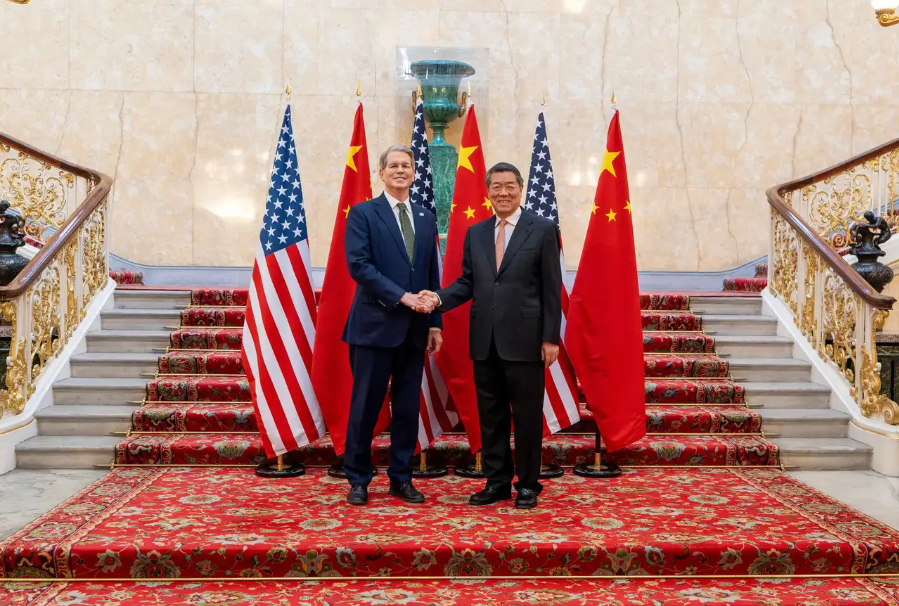
Instead of collaborating with a group of 19 countries, China’s approach seems to rely on coercive export policy. Analysts interpret these measures as Beijing signaling its willingness to weaponize critical mineral exports in response to geopolitical tensions, rather than forming a cooperative alliance.
How China’s Rare-Earth Dominance Operates Behind the Scenes
What makes this situation so powerful is China’s deep-rooted control over almost every step of the rare-earth value chain, not just mining. According to recent analysis, Beijing dominates global refining, separation, and magnet manufacturing capacity. Even though China holds around 30–36% of global rare-earth reserves, its processing infrastructure gives it far more leverage than raw reserves alone would.
Morgan Stanley’s latest analysis underscores this risk: its research suggests China controls 88% of refined rare-earth supply, creating a major strategic chokepoint for industries like robotics, EVs, defense, and renewables.


 China’s 5.8 Million STEM Graduates vs. South Korea’s Shift