

China is launching a new family support plan as it struggles with a rapidly falling birth rate and an aging population. Under the policy, parents will get $500 a year for every child they raise. Leaders in Beijing believe this step will encourage young couples to have more children and help secure the country’s future.
China Faces Population Decline and Aging Society
China is the world’s most populated country, but in recent years the number of people has started to shrink. In 2023, births dropped below 10 million while deaths crossed 11 million. This means the population is not only declining but also getting older. More than 14% of Chinese people are now above 65 years old.
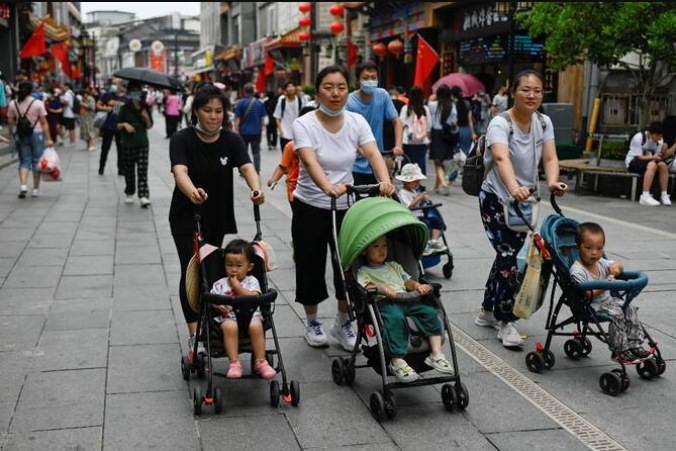
This creates serious problems for the economy. Fewer young workers are available to support industries, pay taxes, and take care of the growing elderly population. Economists warn that if the trend continues, China could face slower growth and higher pressure on pensions, healthcare, and social services.
Rising Costs Stop Young Couples from Having Children
Young families in China often say that raising children is simply too expensive. Housing in big cities costs more than most young couples can afford, while education and healthcare expenses continue to rise. Many urban couples prefer to focus on their careers and daily living costs rather than start a family.
Even though the government ended the one-child policy in 2016 and later allowed up to three children, the number of births has not increased. Instead, many couples now say they do not want more than one child, and some do not want children at all.
By offering financial support, Chinese officials hope to reduce the pressure. The $500 annual payment is meant to help parents with school supplies, food, and basic expenses so raising a child feels more manageable.
Details of the $500 Family Support Plan
The policy will start with trial programs in selected provinces before expanding nationwide. Each child will bring $500 per year to their parents. Officials are also considering extending the payments until the child reaches school age.
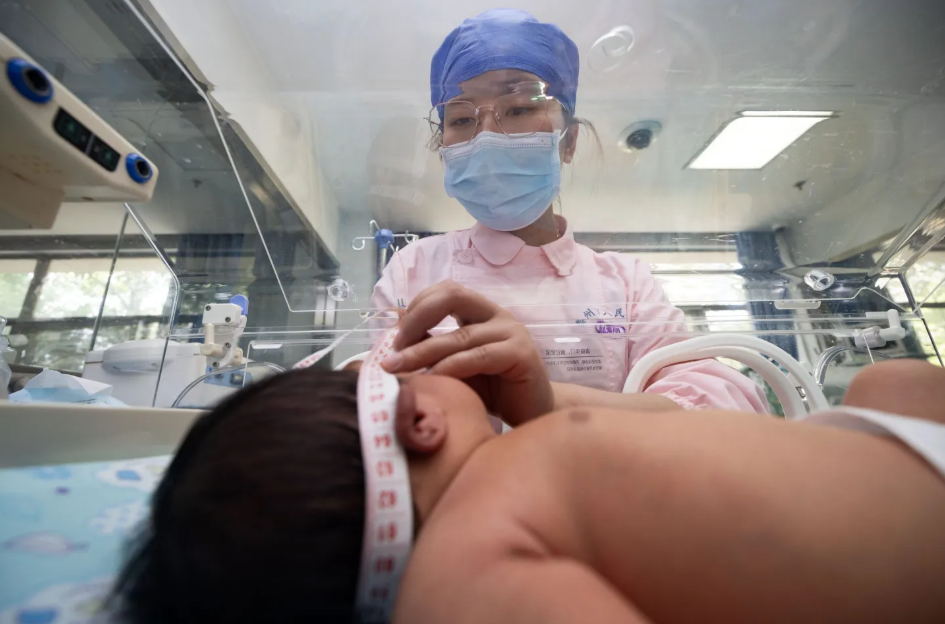
Some provinces are adding extra incentives such as free or cheaper childcare, extended maternity and paternity leave, and discounts on housing loans. These steps aim to make parenting less stressful and more affordable, especially for working couples in crowded cities.
Social Experts Say More Steps Are Needed
Demographers and social experts welcome the new plan but warn that money alone will not solve the problem. They point out that cultural and social issues—like career demands, limited childcare services, and lack of work-life balance still discourage many young people from having children.
They argue that the government should expand affordable daycare centers, improve job security for women, and reduce education costs. Without addressing these deeper issues, experts fear the new policy may not produce the results Beijing hopes for.
Step Toward Securing China’s Demographic Future
China’s decision to pay parents yearly support is a major policy shift aimed at protecting its demographic future. While the payment may help families in the short term, the bigger challenge lies in creating an environment where raising children is less stressful and more affordable.
If China can combine financial aid with wider reforms in education, housing, and childcare, families may feel more confident about having children. For now, the $500-a-year support is a hopeful beginning in the country’s fight against declining population numbers.


 Mercedes-Benz to accelerate localisation as China revenue slump hits 2025 profits
  China Bans Dual-Use Exports Including Rare Earths to Japan Over Taiwan Remarks
  China’s DeepSeek Upgrades Chatbot with Advanced ‘Interleaved Thinking’ Feature Amid Next Model Buzz
  North Korea Fires Ballistic Missiles Hours Before South Korean President’s China Visit
  MindRank Advances China’s First AI-Assisted Drug to Phase 3 Trials, Slashes R&D Costs by 60%
  China Enforces 50% Domestic Equipment Rule for Semiconductor Expansion