

Bulgaria officially adopts the euro as its currency on January 1, 2026, becoming the 21st member of the eurozone. This historic step replaces the Bulgarian lev after nearly two decades in the European Union. Moreover, celebrations mark the occasion in Sofia, with projections of euro coins on the Bulgarian National Bank and fireworks lighting the sky.
Milestone Amid Mixed Reactions
The transition occurs at a fixed rate of 1 euro = 1.95583 lev. Dual pricing continues until August 2026, and lev notes remain exchangeable indefinitely at the central bank. ECB President Christine Lagarde welcomes Bulgaria, calling the euro a symbol of unity and strength.
Supporters highlight benefits like lower transaction costs, easier trade with eurozone partners, and deeper EU integration. Businesses anticipate savings and increased investment. EU’s poorest member, Bulgaria hopes the euro anchors stability and shields from external influences. Yet, concerns persist about short-term costs in a fragile economy.


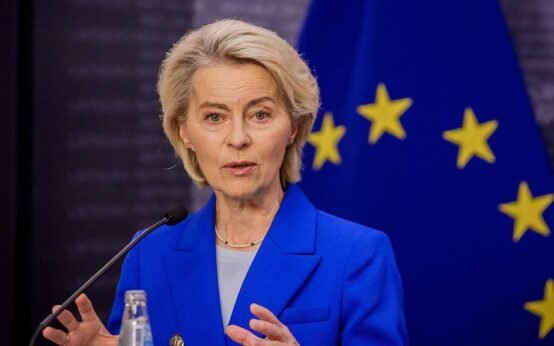 EU chief’s plane hit by suspected Russian GPS in Bulgaria