

Government of Prime Minister Jean Chrétien and Finance Minister Paul Martin slashed spending across federal departments to tackle rising deficits. While the plan reduced debt and stabilized Canada’s credit standing, it also left scars that many Canadians still remember. Hospitals saw fewer resources, education systems experienced tighter funding, and social safety nets were weakened.
Canadian public opinion on Mark Carney’s austerity measures
The conversation about austerity has spread far beyond policy circles. Ordinary Canadians are asking how these changes will affect their daily lives. Young people facing high unemployment rates worry that government retrenchment will reduce opportunities and training programs. Families concerned about healthcare, childcare, and housing wonder if services will become more expensive or harder to access.
In towns dependent on government jobs, the loss of federal positions has already created economic stress. Carney’s opponents highlight these concerns, painting austerity as unfairly targeting working families while corporations and the wealthy remain relatively untouched.
Austerity and Canada’s relationship with the United States
Another dimension of this debate involves Canada’s place in the global economy, particularly its relationship with the United States. With Donald Trump back in office, U.S. Canada trade relations have become increasingly tense. American tariffs on Canadian goods, especially in the auto and agricultural sectors, are pushing Ottawa to rethink its trade strategies.

Carney’s austerity measures are designed to tighten Canada’s belt at home while maintaining the resources to respond to international challenges. His five-billion-dollar aid package for affected industries illustrates how domestic fiscal policy cannot be separated from global trade realities.
Political risks of austerity for Mark Carney’s government
Every austerity program carries political risk, and Carney is no exception. While he has gained respect for his financial expertise, critics say he lacks political experience when it comes to building coalitions and managing discontent. If service cuts deepen frustration among working- and middle-class Canadians, opposition parties will seize the opportunity to rally against him.
Some analysts warn that a mismanaged austerity program could weaken Carney’s government before it has fully established itself. Others believe Carney’s international credibility and disciplined approach could help him weather short-term backlash if long-term results show improved stability.
Broader vision for Canada’s economic future
Despite criticism, Carney insists his austerity strategy is about more than just cutting costs. He envisions a Canada that is fiscally sustainable, technologically competitive, and globally respected. His plan includes strengthening defense, investing in infrastructure, and creating a more efficient public service that avoids duplication and bureaucracy.
The government has already scrapped the carbon tax and lowered personal income tax rates, signaling a shift toward policies that emphasize consumer relief and private-sector-led growth. In Carney’s vision, austerity is not an end in itself but a path toward a leaner, more resilient nation ready to compete in a turbulent global economy.


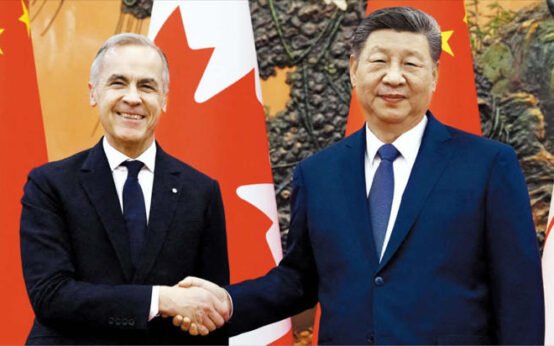 Canada and China reset strategic partnership under Trump pressures
  Canada Weighs Major Cuts to Post-Study Work Permits for International Students Amid Immigration Reforms
  What the U.S. imports from Mexico, Canada and China
  Trump Escalates Trade Pressure on Canada with Tariffs on Wood
  U.S. Envoy Reveals Depths of Trump’s Grudge with Canada
  Rising Number of Americans seeking asylum in Canada