
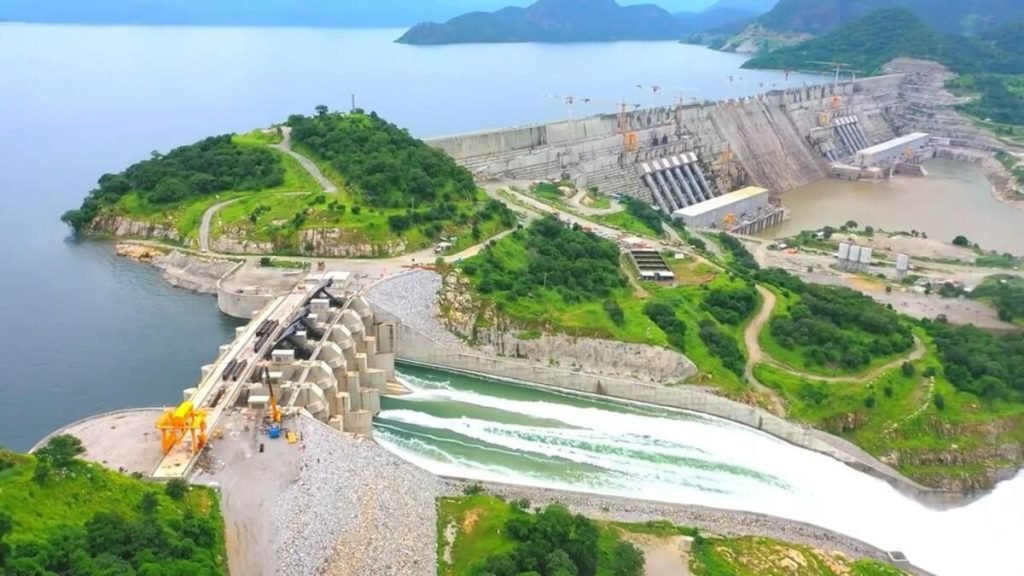
Grand Ethiopian Renaissance Dam recently entered service, and many people across Africa see it not just as a power plant, but as a statement. Ethiopia built it almost entirely using domestic funds. Leaders and citizens alike now view the dam as a model of how African countries can take charge of their own development. Beyond that, GERD has real potential to strengthen cooperation among countries in East Africa and the Nile Basin. Its impact reaches well beyond electricity it touches politics, identity, economy, and diplomacy.
What GERD Means for African-Financed Mega Projects
Ethiopia built GERD largely without foreign loans, grants, or external debt. That was unusual for a megaproject this size capacity over 5,000 megawatts. Commonly, large dams or big infrastructure in Africa require outside finance, often with conditions attached.
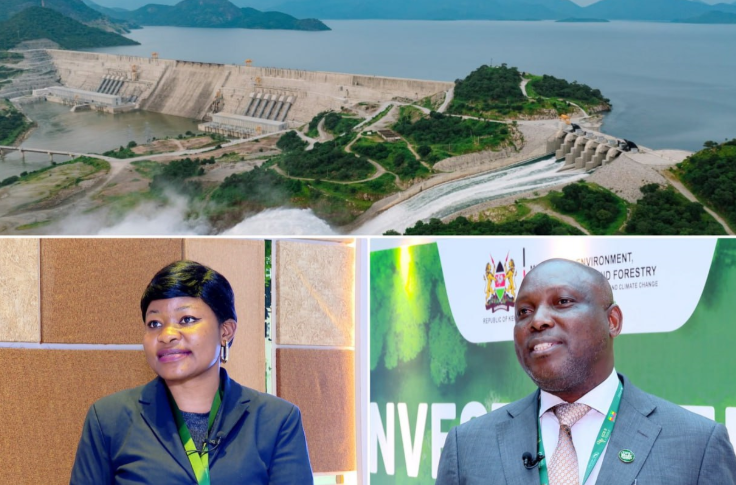
Because GERD used Ethiopian sources, including citizen bonds, diaspora contributions, and government revenues, many view it as proof that African nations can mobilize their own resources. This matters: financial independence gives more freedom in decision-making, less external pressure, and fewer strings attached after construction. Many Africans see GERD as a turning point: if one country can succeed this way, others might try.
How GERD Strengthens Regional Energy Integration and Cooperation
GERD has implications for more than just Ethiopia’s electricity supply. Neighboring countries Sudan, Kenya, Djibouti, and more might benefit from excess power exports. Shared grids, cross-border transmission lines, and coordinated energy planning could weave together national systems. When countries buy power across borders, they build trust and shared interest.
It becomes easier to coordinate policies, respond jointly to shortages, and stabilize prices. As more energy comes from renewable sources, integration helps smooth variability for example, when rainfall is low. Many East African leaders say GERD shows how one large project can catalyze cleaner, cheaper, more reliable energy for several nations, not just one.
GERD’s Role in Rewriting Colonial-Era Nile Water Agreements
Some of GERD’s symbolism comes from its challenge to old treaties on how Nile waters are shared. Historically, Egypt and Sudan based their claims on agreements made during colonial times that gave upstream countries little say. Ethiopia has argued that those treaties are outdated and unfair.
The Cooperative Framework Agreement , which Ethiopia supports, pushes for equitable and reasonable use of shared water resources. GERD is therefore more than hydropower it becomes a focal point for legal, diplomatic, and moral debates about sovereignty, fairness, and the rights of upstream countries. African analysts say that showing that Ethiopia could build such a dam strengthens its position in those debates.
Economic and Social Benefits for Millions Powering Growth
GERD offers concrete benefits for East Africa. Millions of people lack reliable electricity. Frequent outages, high prices, or lack of connections limit health services, education, business, and daily life. With GERD supplying more power, factories can run more steadily, homes can stay lit, clinics can refrigerate medicines, and schools can use computers. Farmers can power irrigation pumps. Small businesses can scale up.
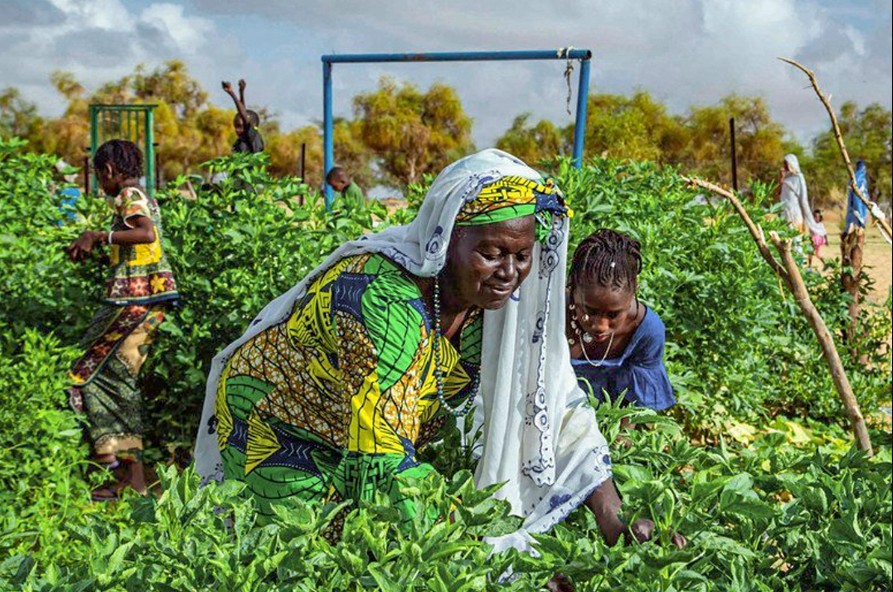
In many places, electricity is the foundation of economic growth. Also, by exporting power, Ethiopia not only earns revenue but also helps neighbors reduce dependence on costly diesel generators or imported energy. All that supports social development jobs, skills, improved public services.
GERD has not been without controversy. Countries like Egypt and Sudan worry about how the dam affects water flow downstream. Less water could affect farming, livestock, and general water availability. Some downstream stakeholders argue that Ethiopia needs to clarify operational rules, especially during drought years, so that downstream nations are not unexpectedly impacted.


