
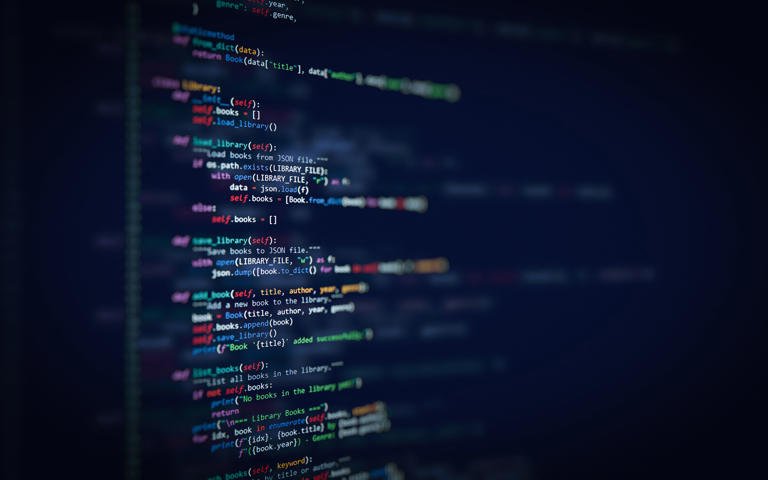
Stanford University has quietly shifted the focus of several core computer science courses toward AI communication skills rather than traditional low-level coding, according to faculty statements and updated 2026 course syllabi. In classes , , and upper-division AI electives, instructors now prioritize teaching students how to prompt, evaluate, and collaborate with large language models over writing algorithms from scratch or debugging low-level code.
Professors explain that AI tools like Grok, Claude, Gemini, and o1-series models can already generate, optimize, and debug most conventional code faster and more reliably than humans. The new emphasis trains students to become effective “AI conductors” asking precise questions, verifying outputs, spotting hallucinations, managing multi-step reasoning chains, and integrating AI-generated code into larger systems safely and ethicallyThe change reflects Stanford’s belief that future software engineers will spend far more time steering AI systems than writing boilerplate code.
Stanford CS department chair Mehran Sahami commented: “We’re not abandoning coding; we’re evolving what it means to code in an age where intelligence is abundant and accessible. The real skill now is knowing how to direct that intelligence.”


 International Monetary Fund warns 40% of jobs face AI impact
 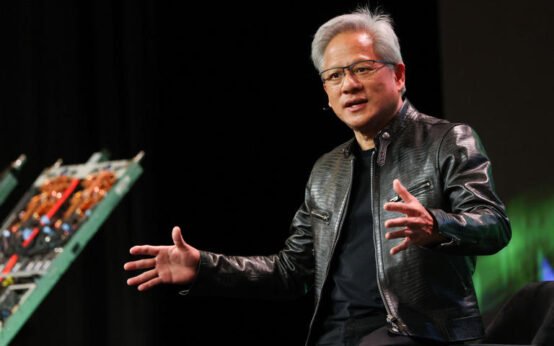 NVIDIA CEO Jensen Huang Criticizes AI Doomsaying as Harmful to Industry and Society
 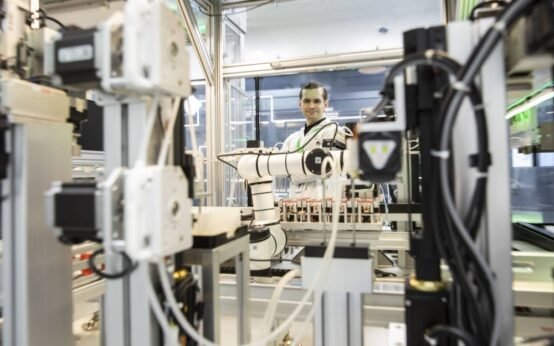 MindRank Advances China’s First AI-Assisted Drug to Phase 3 Trials, Slashes R&D Costs by 60%
  Yann LeCun’s AI Startup Valued at 5 Trillion Won Ahead of Official Launch
  US Agency Names Moonshot AI as Top Chinese Artificial Intelligence Model
  AI’s $400 Billion Problem Are Chips Becoming Obsolete Faster Than Ever?