
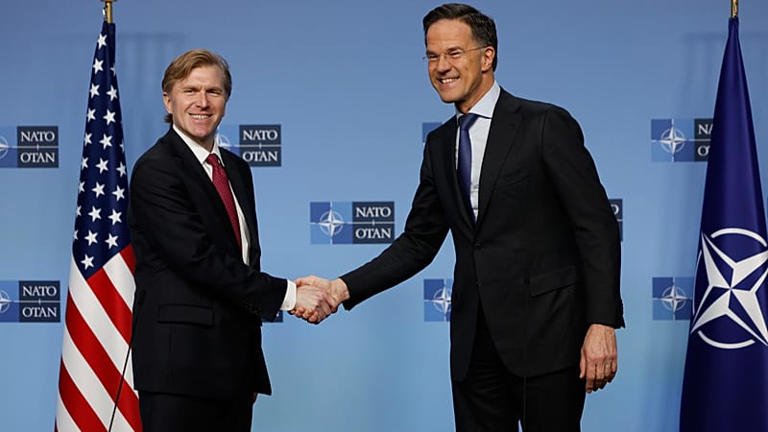
Senior US and European officials have begun openly discussing the need for a fundamental “NATO 3.0” restructuring in early 2026. Their rare transatlantic alignment signals that they view the alliance’s current burden-sharing, decision-making, and strategic posture as outdated and unsustainable in an era of great-power competition with China and Russia.
The phrase “NATO 3.0” first floated informally by US Defense Secretary Pete Hegseth in late 2025 gained traction at the January 14–15 NATO defense ministerial in Brussels. Hegseth argued that Europe must assume primary responsibility for conventional defense of the continent, while the United States refocuses on Indo-Pacific deterrence against China and maintains a nuclear umbrella and rapid-reinforcement capability for Europe. European counterparts, led by German Defence Minister Boris Pistorius and French Armed Forces Minister Sébastien Lecornu, largely endorsed the need for a “rebalancing of responsibilities,” though they stressed it must be gradual and accompanied by credible US commitments.
President Trump welcomed the rhetoric, posting on Truth Social: “Europe finally gets it they pay, we protect the big stuff. NATO 3.0 is happening.” European leaders were more measured, stressing that any rebalancing must strengthen, not weaken, collective defense.


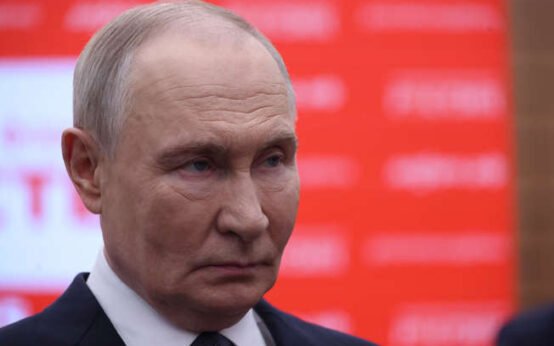 Leaked documents reveal Putin’s plan to erase Ukraine
 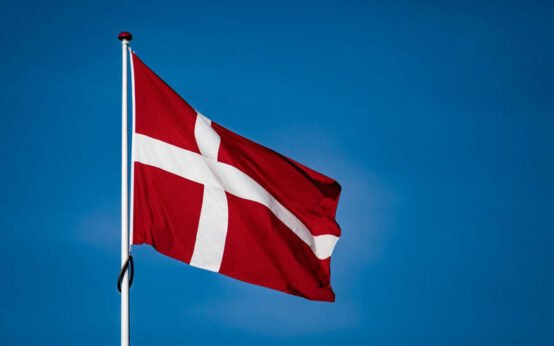 Denmark proposes NATO surveillance mission for Greenland
  Hungarian Vetoes Stall Progress at European Leaders’ Summits
 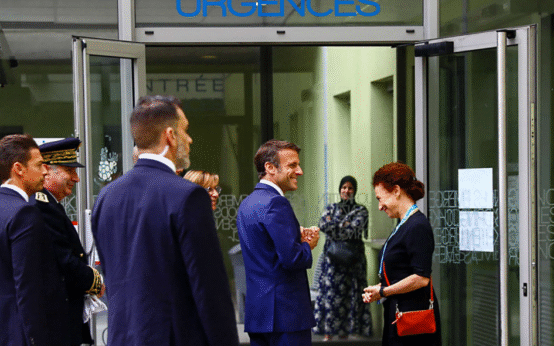 France is preparing its hospitals for a great war
  Georgia hosts NATO military despite perceived pivot toward Russia
  Why EU Plans to Fund Ukraine’s Weapons with Russian Assets