
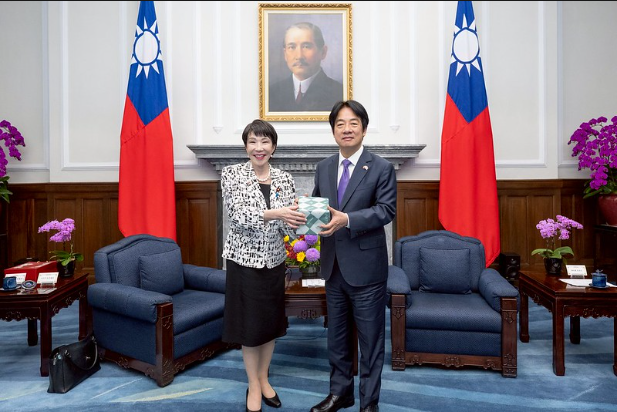
Former Foreign Minister Yoo Myung-hwan (served 2008–2010) shares insights into longstanding challenges in selecting South Korea’s ambassadors to China. In a December 2025 interview, he highlights the ongoing struggle to balance candidates from the business sector with career diplomats. Moreover, this dilemma has weakened the Foreign Ministry’s specialized “China School” a group of in-house experts trained for Beijing-related roles.
The Core Tension Yoo Business Ties vs. Diplomatic Expertise
China remains South Korea’s largest trading partner. Consequently, presidents often favor appointees with strong economic connections to prioritize trade and investment. These “business-oriented” envoys excel at commercial relations but may lack depth in political, security, or strategic issues.
In contrast, career diplomats from the China School offer comprehensive expertise. However, political appointments frequently override them, disrupting continuity and professional development. Yoo describes this as a recurring “struggle,” reflecting pressures to align diplomacy with economic priorities.
Impact on South Korea’s China Policy
Frequent non-career selections hinder building long-term expertise. This affects handling complex issues like North Korea, US-China rivalry, and regional security. Additionally, it risks diluting nuanced understanding of Beijing’s policies.
Yoo’s comments come amid evolving Korea-China relations, including economic dependencies and geopolitical shifts.


 South Korea pledges $10M annually to lure elite global scientists
  South Korea’s Foreign Exchange Reserves Hover at Low 20% of GDP Amid Vulnerability Concerns
  South Korea’s 1.9% growth trails US again
  South Korea’s National Security Adviser Addresses US Concerns Over Revised Network Act
  South Korea KFTC Chairperson Vows Crackdown on Digital Platform Abuses for 2026
  South Korea’s Exports Surpass $700 Billion in 2025, Ranking Sixth Globally