
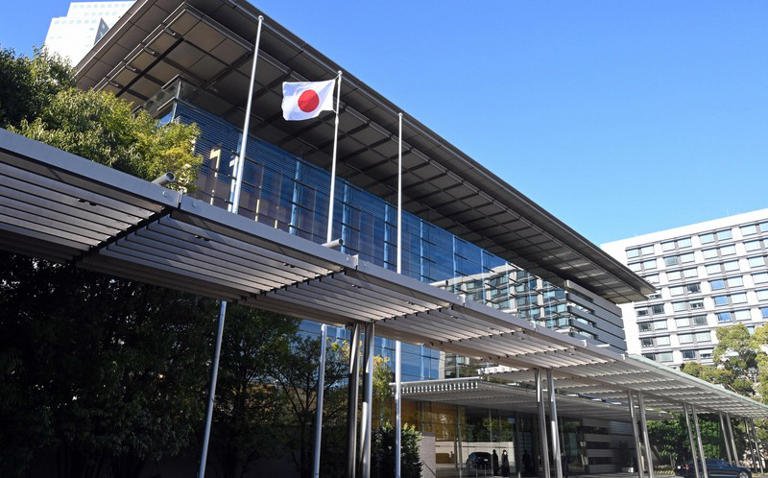
Japan has announced plans to cap its foreign workforce at 1.23 million workers under two specific visa categories. The policy will apply across 19 labor-short sectors and aims to balance economic needs with social stability. As Japan continues to face labor shortages, the move signals a more controlled approach to foreign employment.
Why Japan Is Setting a Workforce Limit
Japan’s aging population and declining birth rate have created serious labor gaps, especially in industries such as caregiving, construction, agriculture, and manufacturing. To address this, the government expanded foreign worker programs in recent years.
However, officials now want to manage growth more carefully. By setting a numerical cap, Japan hopes to ensure sustainable workforce integration while avoiding excessive strain on public services and local communities.
Visa Types Covered Under the New Cap
The cap will apply to two residence statuses commonly used to accept foreign workers in shortage sectors. These visa categories allow overseas workers to take jobs that Japanese employers struggle to fill.
At the same time, the government clarified that the cap will not immediately reduce the current workforce. Instead, it will guide future admissions and expansions under the program.
Sectors Affected by the Policy
The workforce limit covers 19 designated industries, including nursing care, food services, industrial manufacturing, shipbuilding, and agriculture. These sectors rely heavily on foreign labor to maintain productivity.
Nevertheless, the government plans to review labor demand regularly. If shortages worsen, authorities may adjust sector-specific allocations within the overall cap.
Balancing Economic Growth and Social Stability
Officials emphasized that the policy does not signal a shift away from foreign workers. Instead, it reflects a desire for better planning and oversight. By controlling numbers, Japan aims to improve working conditions, language support, and training systems for foreign employees.
Meanwhile, business groups have urged the government to remain flexible. Many companies argue that strict limits could slow growth if labor shortages intensify.


 Japan seizes Chinese fishing vessel in first incident since 2022
  Foreigner condo plan in Japan ignites social media uproar, complaints to local gov’ts
  How is Japan revising ‘equal pay for equal work’ guidelines?
  Japan Government Reaffirms No-Nuclear Policy, Avoids Comment on Official’s Remarks
  Japan Defense Ministry to Ban Kawasaki Heavy From Bids Over Falsified Submarine Data
  Prabhas draws massive cheers in Japan as Baahubali The Epic gets special screening ahead of country release