
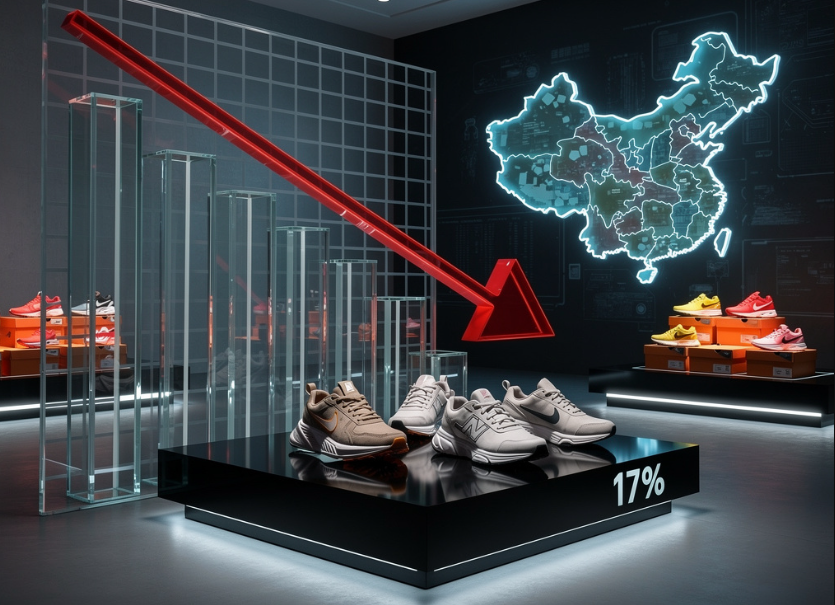
Nike is steadily losing market share in China as domestic sportswear brands gain momentum and connect more effectively with local consumers. Once a dominant foreign label, the American giant now faces intense competition from homegrown players that move faster and adapt better to changing tastes.
Domestic Brands Gain the Upper Hand
Chinese brands such as Anta, Li-Ning, and Xtep have strengthened their position by focusing on local design, pricing, and cultural relevance. Unlike global brands, they respond quickly to fashion trends and consumer preferences.
As a result, shoppers increasingly choose domestic labels over international names.
Shifting Consumer Preferences in China
Chinese consumers, especially younger buyers, now favor brands that reflect national identity and local culture. Therefore, domestic companies that blend sportswear with cultural storytelling enjoy stronger loyalty.
Meanwhile, Nike’s global branding approach has struggled to resonate at the same level in the Chinese market.
Pricing and Product Strategy Challenges
Nike also faces pressure from pricing. Domestic brands often offer competitive quality at lower prices, making them more attractive during periods of economic uncertainty.
In contrast, Nike’s premium pricing strategy has limited its appeal to cost-conscious consumers.
Local companies benefit from shorter supply chains and faster production cycles. Consequently, they bring new designs to stores more quickly than foreign competitors.
This speed allows domestic brands to capitalize on trends while global brands like Nike move more slowly.


 Elon Musk Says Saving for Retirement May Soon Become Irrelevant
  Alibaba’s Amap Launches AI-Powered 3D Virtual Tours for Offline Destinations
  Philippine Credit Card Startup Zed Raises $16.5 Million in New Funding Round
  Singapore expands money-laundering investigation against Prince Group linked to Chen Zhi
  New Employment Strategy to Empower People with Disabilities
  American billionaires pay lower tax rate than rest of population